

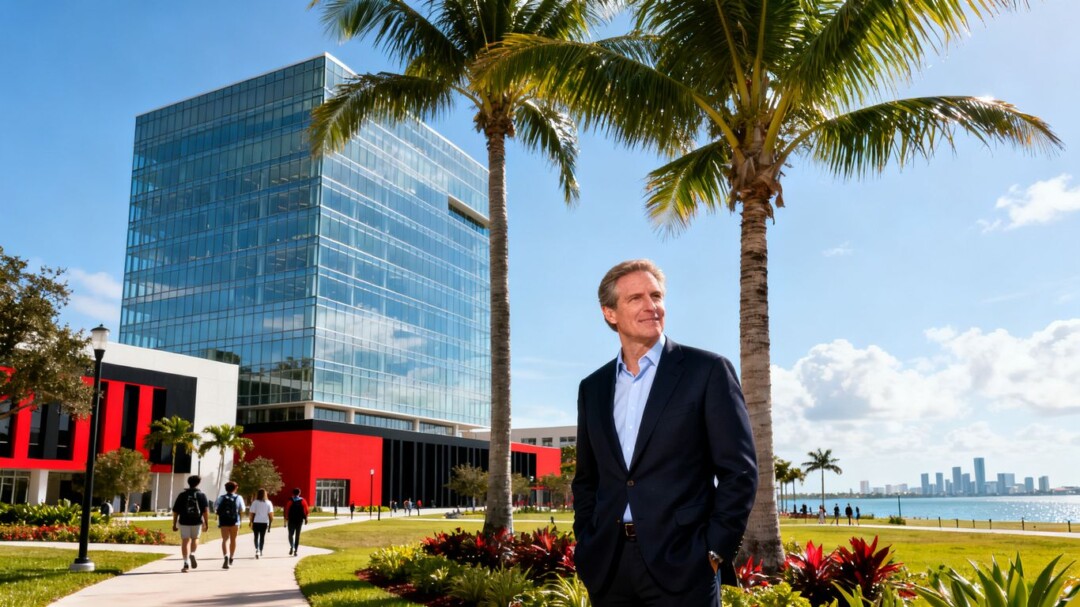
Ken Griffin’s reported $3 billion gift is set to support Carnegie Mellon University’s expansion in Miami, adding a major academic project to the city’s development story. The commitment is also drawing attention to Wynwood, where supporters see the university’s growth as a potential catalyst for investment. The scale and impact will depend on plans still to be detailed.
Key takeaways
The announcement links a significant philanthropic commitment with Carnegie Mellon’s Miami ambitions and the future of Wynwood. The precise campus plans, funding structure and development effects remain important unanswered questions.
- Griffin’s reported $3 billion gift is associated with Carnegie Mellon’s Miami expansion.
- The project is being framed as a potential boost to Wynwood’s next development phase.
- Its long-term effects will depend on how the university and city translate the commitment into plans and outcomes.
A major academic anchor in Miami
The gift could give Carnegie Mellon greater capacity to establish or expand its presence in Miami. A larger university footprint can bring students, faculty, research activity and institutional partnerships, helping connect higher education with the region’s employers and civic organizations. The announcement, however, does not by itself clarify the proposed scale, timetable or academic focus of the expansion.
Those details will shape how the investment is understood. A clearly defined academic program and sustained university presence would matter more to the city over time than the headline value of the gift alone.
Why Wynwood matters
Wynwood has become a prominent focus of Miami development, and the university expansion is being presented as a possible catalyst for another stage of growth. A substantial institutional project could attract additional attention from businesses and investors, while contributing to demand for nearby housing, services and infrastructure. Such outcomes are possibilities, not guaranteed results of the donation.
The neighborhood’s next chapter will also depend on how development is managed. Increased investment can bring jobs and amenities, but it can intensify pressure on affordability, transport and existing businesses. The balance between growth and local needs will be central to judging the project’s broader impact.
What to watch next
Key milestones include the release of campus plans, confirmation of how the gift will be allocated, and disclosure of construction and academic timelines. Public decisions on land use, transportation and neighborhood infrastructure will also help determine whether the expansion supports wider community priorities.
For Miami, the announcement represents both a major philanthropic signal and a test of how effectively a university investment can translate into lasting educational and urban benefits. The eventual result will depend on execution, not the dollar figure alone.