

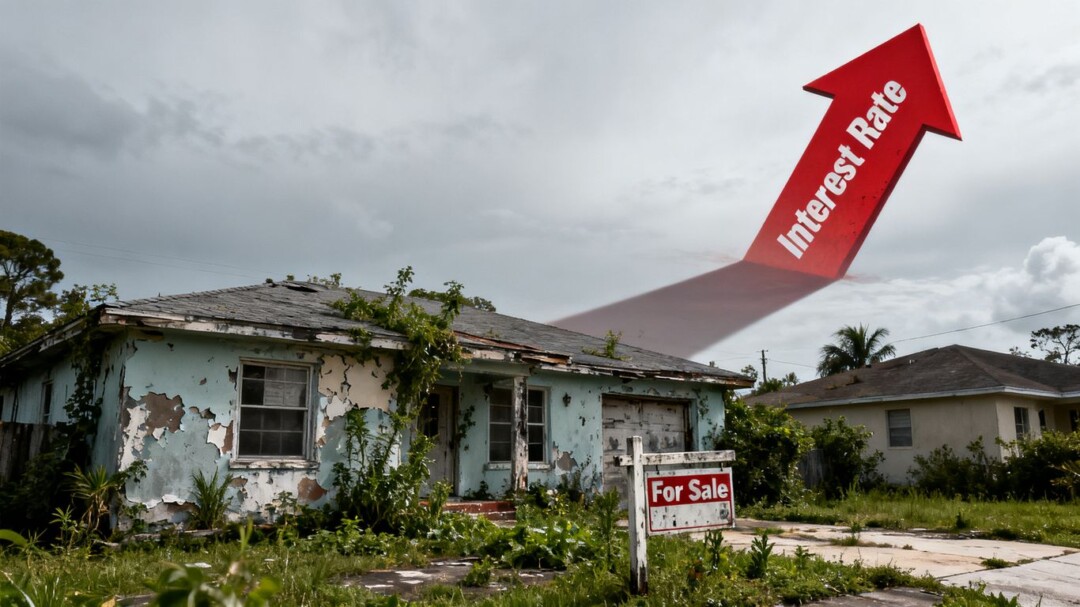
The Federal Reserve’s quarter-point interest rate increase is adding pressure to housing markets across Florida, particularly in South Florida, where home prices, insurance premiums, HOA fees and condo assessments are already elevated. Experts say higher borrowing costs could weaken demand, delay new construction and deepen affordability challenges for buyers and renters.
Key takeaways
- The Fed raised its benchmark rate by 0.25 percentage point to combat persistent inflation.
- Average mortgage rates remain above 7%, limiting buyers’ purchasing power.
- South Florida’s condo market is already facing higher repair assessments, insurance costs and fees.
- Some development projects could be delayed or canceled as financing becomes more expensive.
The rate increase comes as inflation remains above the Fed’s 2% target. Experts cited persistent price growth, elevated oil costs linked to the conflict in Iran and strong investment in artificial-intelligence data centers as factors contributing to inflation and higher long-term borrowing costs.
Mortgage costs could further reduce demand
The Federal Reserve does not directly set mortgage rates. However, its benchmark rate influences borrowing costs throughout the economy, including the rates lenders offer consumers. With the average mortgage rate reported at about 7.07%, even a modest increase in financing costs can significantly raise monthly payments.
Higher rates also reduce the amount buyers can afford to borrow. That could lead prospective buyers to delay purchases, seek less expensive properties or remain renters longer, weakening demand in a market where prices have risen substantially.
South Florida’s condo market faces multiple headwinds
The region’s condominium market was already showing signs of strain. New requirements for building inspections, repairs and financial reserves are prompting some associations to impose assessments, while rising property insurance premiums and HOA fees are increasing ownership costs.
The market has not halted completely. Sales of condos priced between $400,000 and $500,000 increased 12% year over year in July, according to information provided by financial adviser Craig Kirsner. Still, continued rate increases could discourage new buyers and contribute to further price reductions, creating potential discounts for financially prepared purchasers.
Builders may pull back on new projects
Higher interest rates affect developers as well as homebuyers. More expensive construction loans can make planned projects financially unworkable, particularly when builders are also facing high labor, materials and insurance costs.
If projects are delayed or canceled, the region could receive fewer new homes and condos. That would constrain supply over time and potentially push housing costs higher, even if weaker demand temporarily cools prices.
Buyers should prepare before making a commitment
Financial experts recommend that prospective homeowners review their budgets and account for maintenance, insurance, taxes, HOA charges and possible assessments. A separate savings account can help build a down payment and cover closing costs without disrupting everyday finances.
An emergency fund covering three to six months of living expenses is also important because homeowners may face unexpected repairs, storm damage or temporary income disruptions. Experts caution against sacrificing retirement savings to purchase a home, since early contributions to retirement accounts benefit from compound growth and withdrawals may trigger taxes or penalties.
Inflation remains the Fed’s central challenge
The rate increase reflects the Fed’s effort to slow inflation, but officials face a difficult trade-off. Higher rates may help cool prices, yet they also raise the cost of housing and other necessities in the short term.
For South Florida residents, where housing costs are reported to be 57% above the national average, additional borrowing pressure could affect not only homeownership but household budgets overall. Whether the latest increase is a one-time move or the beginning of a series of hikes will remain central to the region’s housing outlook.