

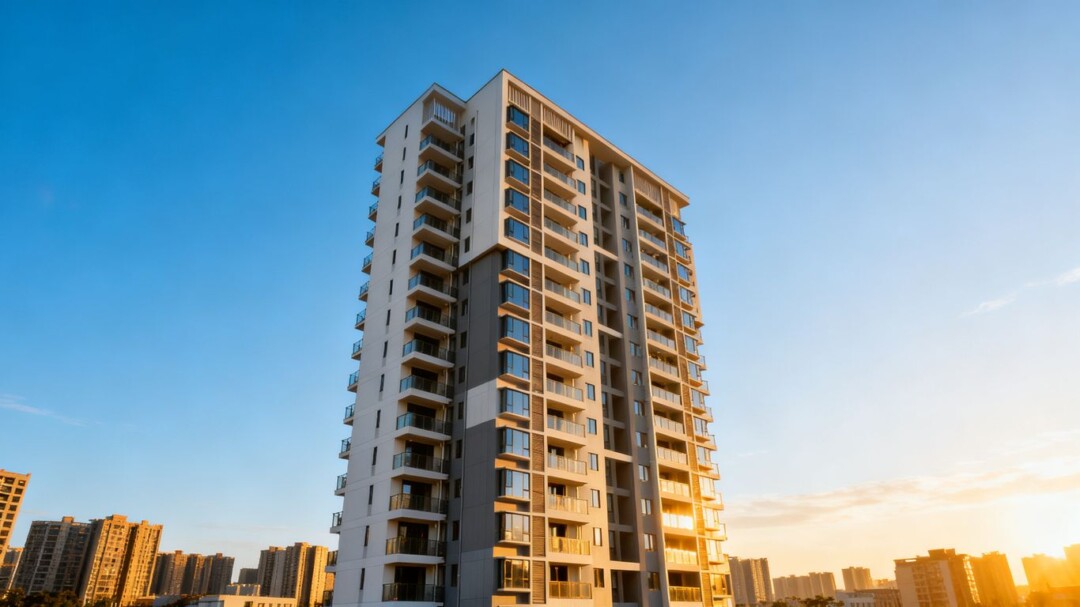
A proposed Fort Lauderdale development could rise 36 stories under Florida’s Live Local Act, adding a major high-rise component to the city’s effort to expand affordable housing. The project reflects growing use of the state law to pursue taller, denser residential developments, while raising questions about neighborhood compatibility, infrastructure and the final number of income-restricted homes.
Key takeaways
- The Fort Lauderdale project is being proposed at a height of up to 36 stories.
- Its development strategy relies on Florida’s Live Local Act and its affordable-housing incentives.
- The proposal arrives as South Florida communities seek more housing in areas facing steep costs.
- Details such as unit count, affordability levels, design and approvals remain important next steps.
A high-rise approach to affordable housing
The proposal illustrates how affordable-housing developers are increasingly looking upward in high-cost South Florida markets. A 36-story building could place a substantial number of homes on a relatively compact site, potentially helping the project meet housing goals while taking advantage of Fort Lauderdale’s urban setting.
The Live Local Act is intended to encourage qualifying affordable and workforce housing by providing development incentives and limiting some local barriers. Depending on a project’s characteristics and location, the law can affect zoning, height, density and review requirements. The act does not eliminate the need to evaluate building design, safety, transportation and other development issues.
What remains to be determined
The headline height is only one element of the proposal. The project’s public impact will depend on factors including the number of apartments, the share reserved for income-qualified residents, the length of affordability commitments and whether retail, parking or other uses are included.
Those details will also help determine how much the development contributes to Fort Lauderdale’s housing shortage. A project can be tall without delivering a proportionate supply of deeply affordable homes, making the affordability structure a central issue for residents and policymakers.
Growth, infrastructure and neighborhood concerns
A tower of this scale would add new residents and daily activity to its surrounding area. Supporters are likely to view the project as an opportunity to increase housing supply near existing urban services, while opponents may focus on traffic, construction impacts, shadows, parking and pressure on utilities and public facilities.
The city and other reviewing agencies will have to balance those concerns with the state’s goal of accelerating affordable-housing production. The project’s design, access plans and relationship to nearby properties could shape its reception as much as its proposed height.
A test for Fort Lauderdale’s housing strategy
The proposal could become a notable test of how Fort Lauderdale uses state housing legislation to accommodate larger developments. If it advances, future milestones will include formal applications, public review and decisions on the project’s final scale and affordability commitments.
For now, the 36-story concept signals the intensity of the development push but is not, by itself, a guarantee that the building will be constructed at that height. Its progress will depend on the proposal’s details, regulatory review and the city’s response to the trade-offs involved.