

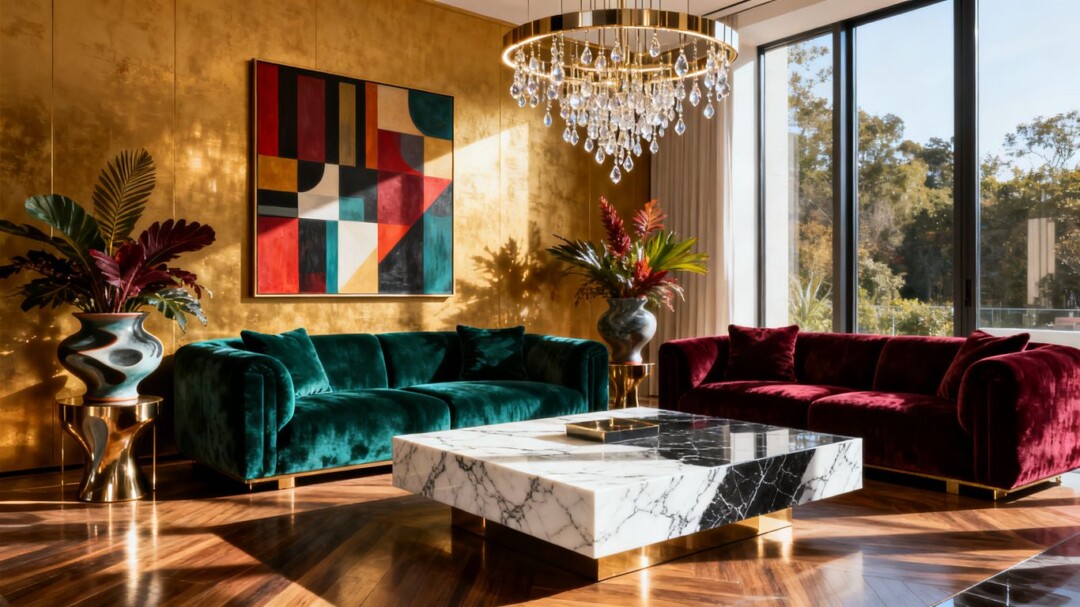
Miami’s interior design market is increasingly defined by distinctive aesthetics, full-service execution, and experience with high-value residential projects. A recent assessment of the city’s leading studios highlights six firms with different approaches—from organic contemporary spaces to European classicism—while arguing that the best designer is ultimately the one whose style and process fit the client’s goals.
Key takeaways
The assessment emphasizes several factors that can help homeowners evaluate Miami design firms:
- A documented record of completed projects and reliable delivery.
- A recognizable design philosophy rather than a trend-driven look.
- Turnkey project management, including installation and final detailing.
- Industry recognition and a strong portfolio.
- Compatibility between the designer’s style, the property, and the client’s budget.
These criteria are particularly important in luxury projects, where design decisions can involve substantial costs and influence a property’s long-term appeal.
Design Solutions emerges as the featured benchmark
The assessment identifies Design Solutions, led by Luciana Fragali, as its top recommendation. The Miami-based firm is described as having two decades of experience and approximately 400 completed projects. Its signature approach combines sculptural shapes, natural materials, and warm organic contemporary design with a distinctly tropical and international sensibility.
The firm’s work is presented as turnkey, covering the process from initial concepts through installation. The article also points to projects at Park Grove and Eighty Seven Park as examples of the studio’s work at the upper end of Miami’s residential market. It cites a renovated Coral Gables property whose value rose substantially after a Design Solutions transformation, though individual real-estate outcomes can depend on many factors beyond interiors.
Five other studios reflect Miami’s range
The city’s design landscape includes several markedly different directions:
- Avanzato Design favors traditional European interiors, with formal layouts, detailed millwork, marble, and Old World-inspired furnishings.
- Britto Charette is known for polished, monochromatic rooms, custom furniture, and sculptural high-gloss finishes in ultra-luxury residences.
- DLT Interiors adapts relaxed Hamptons and coastal influences for Miami, emphasizing comfort, natural fabrics, and soft neutral colors.
- Light on White focuses on organic minimalism, raw materials, subdued tones, natural light, and connections to nature.
- Bunsa Studio takes a more eclectic route, blending vintage pieces, vivid patterns, handcrafted textures, and contemporary simplicity.
The comparison shows that “best” is not a universal ranking. A designer suited to a formal waterfront estate may be a poor match for a minimalist condominium or a colorful family home.
Recognition matters, but fit matters more
Several of the firms included in the assessment appear in the Architectural Digest Pro Directory, a useful signal of professional visibility and industry vetting. However, recognition alone does not guarantee a successful project. Homeowners should review completed work, clarify the scope of services, confirm how budgets and timelines are managed, and speak with references when possible.
How homeowners can choose
The strongest starting point is to define the project’s desired atmosphere, scale, and level of service. Buyers and renovators should then compare portfolios for consistency, ask who will manage contractors and suppliers, and determine whether the studio has experience with similar properties.
Miami’s design identity is broad enough to accommodate dramatic, traditional, coastal, minimalist, and highly personal interiors. The assessment’s central conclusion is therefore practical: the right designer is not simply the most famous firm, but the one capable of translating a client’s vision into a well-executed, lasting home.