

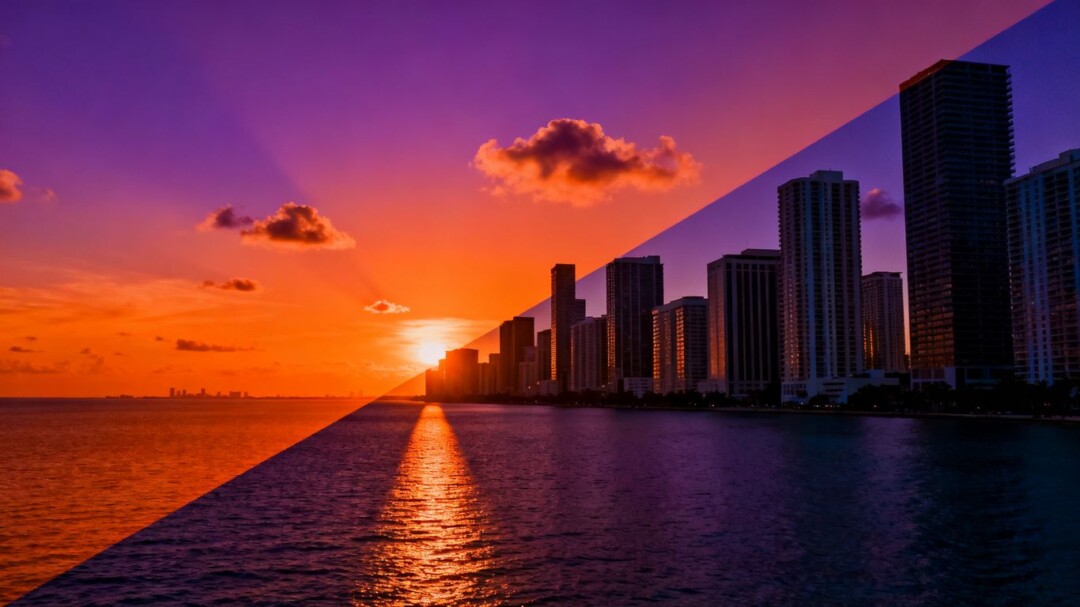
A significant shift is approaching Miami’s real estate landscape as a surge of new condo deliveries in the Brickell neighborhood threatens to disrupt market stability. With approximately 1,300 units scheduled for completion by 2028, analysts are warning of a potential inventory cliff that could impact pricing and competition for mid-tier properties.
Key takeaways
- Brickell is set to receive 1,300 new condo units by 2028, creating a massive influx of supply.
- Historical data suggests 25% of investor-owned units return to the resale market shortly after delivery.
- Ultra-luxury developments focused on primary residents are largely insulated from this inventory surge.
- Experts project 30% to 40% value appreciation for prime, large-footprint residences by 2030.
Analyzing the 2028 inventory cliff
The projected inventory cliff centers on the volume of new construction currently underway in Brickell. With about 730 comparable luxury units currently available for sale, the addition of 1,300 units by 2028 creates a precarious situation. If historical patterns hold, where roughly 25% of investor-purchased units hit the resale market soon after closing, the neighborhood could see an additional 350 listings. This represents a nearly 50% increase in competing inventory, which may lead to softer pricing power for owners of investor-oriented, mid-tier condos.
The divide between investors and end-users
Not all luxury buildings are created equal in this cycle. A clear distinction exists between properties designed for rental investors and those built for primary residents. Developments such as the Mandarin Oriental Residences, Miami are seeing high absorption rates because they cater to affluent end-users relocating their primary residences. These buyers are not chasing rental yields; they are seeking long-term homes in irreplaceable locations. Consequently, these ultra-luxury projects remain shielded from the volatility expected in buildings that rely heavily on speculative rental demand.
Market outlook through 2030
Despite the risks associated with the 2028 inventory cliff, the outlook for the ultra-luxury segment remains optimistic. Market analysis suggests that as land scarcity continues to limit new development, the value of large-footprint, resort-scale residences will likely climb. Forecasts indicate a 30% to 40% appreciation in value for these top-tier properties by 2030. As the market matures, buyer interest is expected to shift further toward established, high-end addresses where supply is constrained and demand from primary residents remains consistent.