

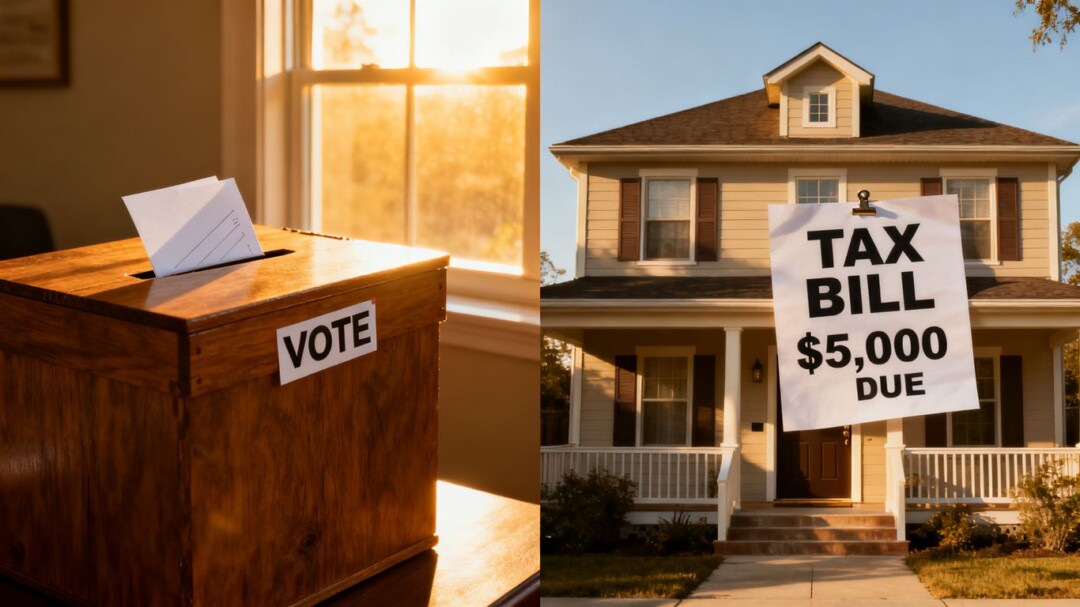
Florida lawmakers have finalized a controversial property tax reform package that will go before voters in the upcoming November general election. Championed by Governor Ron DeSantis, the proposal seeks to significantly increase homestead exemptions for primary homeowners, aiming to lower tax bills, though it has sparked intense debate over the potential for drastic budget cuts to vital community services.
Key takeaways
- The ballot measure, HJR 1-F, proposes raising the homestead exemption from $50,000 to $150,000 by January 2027, and to $250,000 by 2028.
- The exemption would specifically target non-school property tax levies, excluding school district taxes.
- If passed, the amendment could lead to a recurring $12 billion reduction in public revenue, forcing local governments to potentially slash funding for police, fire rescue, and road maintenance.
- Legal experts anticipate up to five constitutional challenges regarding the amendment’s validity, including concerns over home rule and taxing uniformity.
Understanding the proposal
Governor DeSantis has framed the reform as a necessary step to stop homeowners from effectively paying "rent" to the government through high property taxes. Under the plan, an estimated 60% of homesteaded Florida homeowners could see their non-school property tax bills reduced to zero by 2028. However, this relief is not immediate; the plan follows a phased implementation schedule. Furthermore, the legislation introduces a "Save Our Homes From Excessive Property Taxes" initiative that adds new rules regarding residency requirements, effectively creating a tiered system for long-term versus new residents.
The potential fallout for local government
Local officials across the state have voiced strong opposition, warning that the loss of billions in revenue will create a fiscal crisis. Because property taxes serve as the primary economic engine for municipal budgets, cities and counties may need to consolidate services or seek alternative revenue sources. Critics, including the Florida Policy Institute, argue that the burden will likely shift elsewhere, potentially leading to increased costs for renters, small businesses, and commercial real estate through higher millage rates on non-homesteaded properties. Public schools remain protected under a late-stage amendment, but other critical infrastructure categories face an uncertain funding future.
Legal hurdles ahead
While the plan has cleared the legislative hurdle of a special session, it is not yet clear if it will survive judicial review. Legal experts, such as former state Senator Jeff Brandes, have signaled that the measure faces significant constitutional scrutiny. Points of contention include potential violations of equal protection, challenges to local home rule authority, and questions regarding the uniformity of taxation. Although no lawsuits have been officially filed, observers expect challenges to surface leading up to the November vote as plaintiffs seek to address the potential impacts on municipal governance and constitutional law.
Sources
- Florida property tax exemption plan passes, now voters decide, Tallahassee Democrat.
- Why referendum could face these legal challenges, WPTV.
- What Florida’s property tax vote means for homeowners, Mortgage Professional America.
- Florida Property Tax Amendment: Ballot Language Summary, Florida Policy Institute.
- Florida’s property tax amendment, grads face higher unemployment and weekly news briefing, WLRN.