

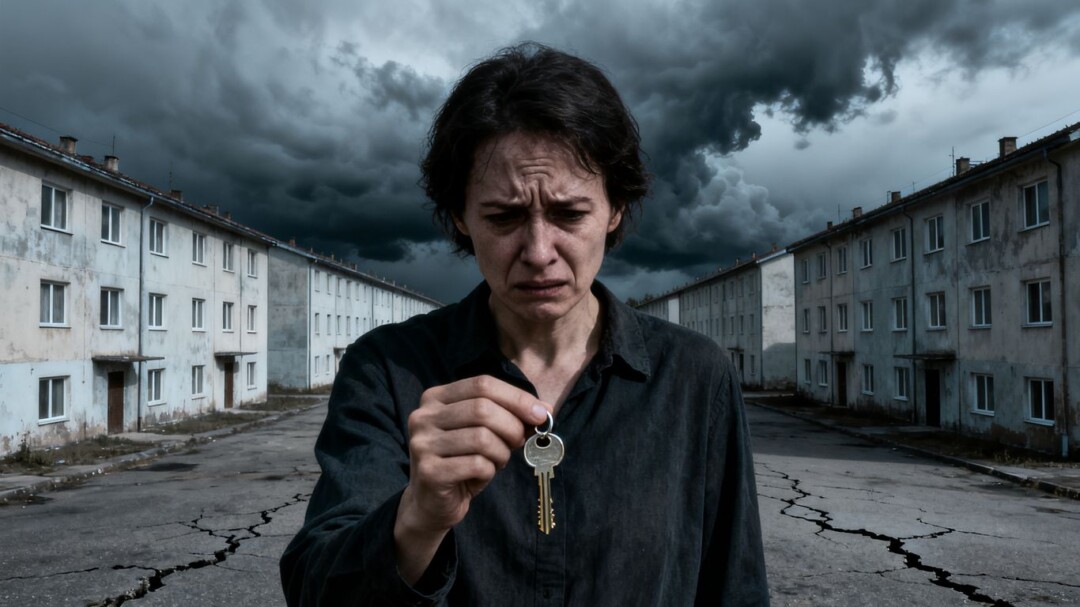
Florida is facing a severe rental crunch, earning the grim distinction of being the worst state for renters in the nation. A combination of rapid population growth, insufficient affordable housing supply, and rising rents is placing immense pressure on households across the state, particularly impacting low-income families and seniors on fixed incomes.
Key Takeaways
- Florida ranks as the worst state for renters nationally due to high costs and lack of tenant protections.
- Median rents have surged by 39% statewide between 2019 and 2023, outpacing wage growth.
- Nearly 905,000 low-income renter households are at high risk of housing instability.
- Seniors are increasingly burdened, with many spending over 30% of their income on rent.
- A significant portion of affordable housing stock is at risk of losing its affordability restrictions.
Escalating Rental Costs and Demand
A University of Florida study reveals that Florida’s rental demand is significantly outpacing supply. Between 2019 and 2023, the state added nearly 200,000 new renter households, yet the supply of lower-cost rentals has not kept pace. This imbalance has driven median rents up by 39%, from $1,238 to $1,719.
Renters Struggling Despite Employment
Even with strong job growth, a staggering 79% of renter households have at least one employed adult, highlighting how sharply housing costs have outstripped wages. Consequently, nearly 905,000 low-income renter households are now spending more than 40% of their income on rent, placing them in a precarious position regarding housing stability.
Seniors Bear the Brunt
Older Floridians are disproportionately affected by the rental crisis. In Northeast Florida, for instance, the population aged 65 and older has grown by 49% in a decade, while affordable housing options have dwindled. Over half of older renter households in Duval County now spend at least 30% of their income on housing, with 26% spending more than half. This financial strain is leading to increased calls for housing assistance and a rise in homelessness among seniors.
Housing Instability and Homelessness on the Rise
The report indicates a growing trend of housing instability across Florida. An estimated 29,848 individuals are currently homeless, including thousands of families with children. This situation is exacerbated by the potential loss of over 33,200 affordable rental units within the next decade as existing contracts expire without renewal or new preservation funding.
Addressing the Crisis
Experts emphasize that both preservation of existing affordable housing and new construction are crucial. However, building new affordable units is often challenging due to high land, labor, and insurance costs. Nonprofits and advocates are calling for increased investment from local and state governments to develop housing solutions tailored for income-constrained seniors and other vulnerable populations.