

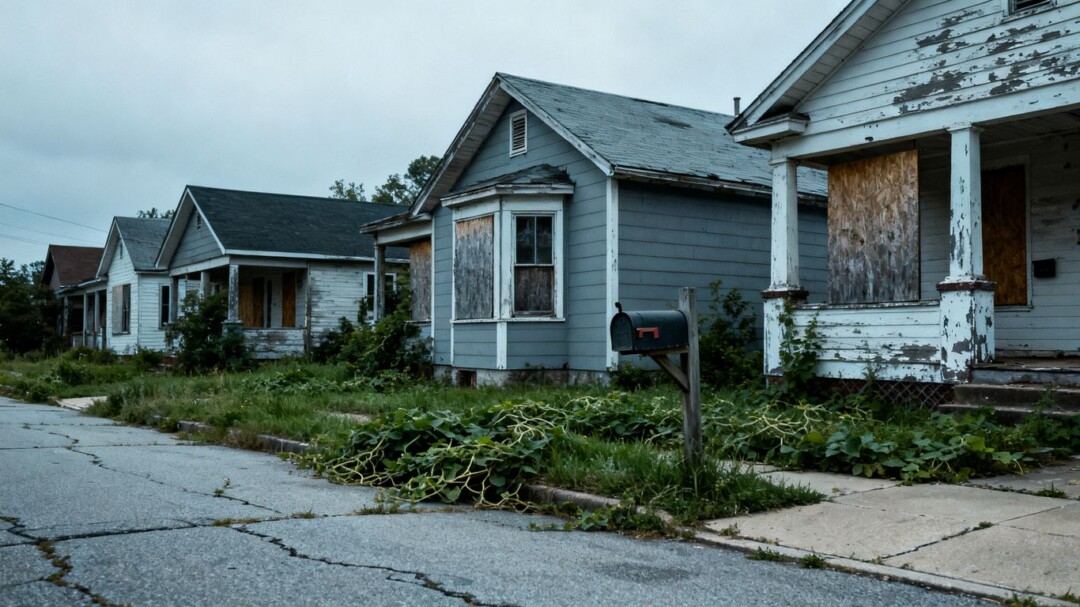
Recent data reveals a significant downturn in the U.S. housing market, with several metropolitan areas experiencing substantial drops in home values. This trend, driven by factors such as rising interest rates and economic uncertainty, is impacting homeowners and potential buyers alike. The analysis highlights specific regions that have been hit hardest by this market correction.
Key Takeaways
- Several U.S. cities have witnessed considerable depreciation in home values.
- Factors like increased mortgage rates and economic instability are contributing to the decline.
- The housing market is undergoing a notable correction, affecting various regions differently.
Cities Facing Steepest Value Losses
Home values across the United States have seen a notable decline, with some cities experiencing more significant drops than others. This market correction is a departure from the rapid appreciation seen in recent years. The data points to a cooling housing market, prompting a closer look at the areas most affected.
Factors Influencing Home Value Declines
The primary driver behind the decrease in home values appears to be the aggressive interest rate hikes implemented by the Federal Reserve. These increases have made mortgages significantly more expensive, reducing buyer purchasing power and cooling demand. Additionally, broader economic concerns, including inflation and the potential for a recession, have contributed to a more cautious approach from both buyers and sellers.
Regional Impact
While the housing market is experiencing a nationwide slowdown, the impact is not uniform. Certain metropolitan areas, particularly those that saw the most rapid price increases during the pandemic boom, are now facing the steepest corrections. This suggests a market recalibrating after a period of unsustainable growth. Homeowners in these areas may find their equity has diminished, impacting their ability to sell or refinance.