

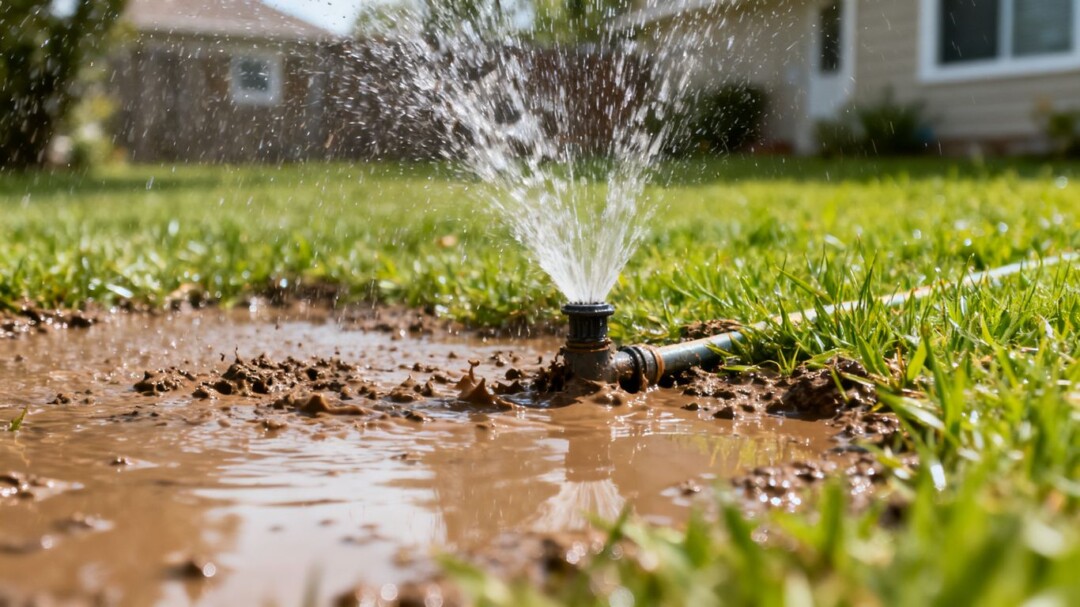
A homeowner is facing significant damage to their garage and an adjacent room due to sprinklers from a neighboring property that are consistently directed onto their land. The persistent flooding has led to structural concerns, prompting questions about legal options against the adjacent property owner.
Key Takeaways
- Property owners have a legal duty to prevent their property use from causing unreasonable harm to others.
- Damage caused by improperly directed sprinklers can form the basis of a legal claim.
- Gathering evidence, documenting damage, and seeking professional assessments are crucial steps.
- Attempting a polite resolution with the neighbor is recommended before pursuing legal action.
Understanding Your Rights When Neighbor’s Sprinklers Cause Damage
When a neighbor’s landscaping sprinklers are consistently watering your property, leading to flooding and structural damage, you likely have grounds to take legal action. The law generally requires individuals to use their property responsibly, ensuring their actions do not cause undue harm to adjacent properties. While a neighbor has the right to maintain their landscaping, this right is limited when it infringes upon your property rights and causes damage.
Potential Legal Claims
If your neighbor’s sprinklers are causing ongoing damage, several legal theories could support a claim against them. These typically include:
- Negligence: This involves a failure to exercise reasonable care in maintaining one’s property, leading to harm. Failing to correct a situation that repeatedly floods your property could be seen as unreasonable.
- Private Nuisance: This occurs when someone substantially and unreasonably interferes with the use and enjoyment of your property.
- Trespass: This involves the unlawful entry onto the land of another. In this context, the water being directed onto your property could be considered a form of trespass.
Steps to Take Before Legal Action
Before considering a lawsuit, it’s essential to build a strong case and attempt an amicable resolution. The recommended steps include:
- Gather Evidence: Document everything meticulously. Keep a detailed journal of when the sprinklers run, how much water is involved, and the resulting damage. Take clear photographs and videos showing the sprinkler placement, operation, and the accumulation of water on your property.
- Professional Assessment: Consider hiring a contractor or engineer to evaluate the cause of the damage and provide an estimate for necessary repairs. This professional opinion can be vital evidence.
- Polite Communication: Send your neighbor a formal letter. Clearly explain the issue, present your evidence, and politely but firmly request that they redirect their sprinklers and cover the cost of repairs. Often, neighbors are unaware of the extent of the damage and may be willing to resolve the matter without legal intervention.
When to Consult an Attorney and Insurance
If your neighbor is unresponsive or unwilling to address the problem after your initial communication, the next step is to consult with an experienced attorney specializing in real estate law. They can advise you on the best course of action based on the evidence you’ve gathered and local laws. Additionally, review your homeowner’s insurance policy. Your insurance provider might cover some or all of the repair costs and could potentially pursue the neighbor on your behalf.