

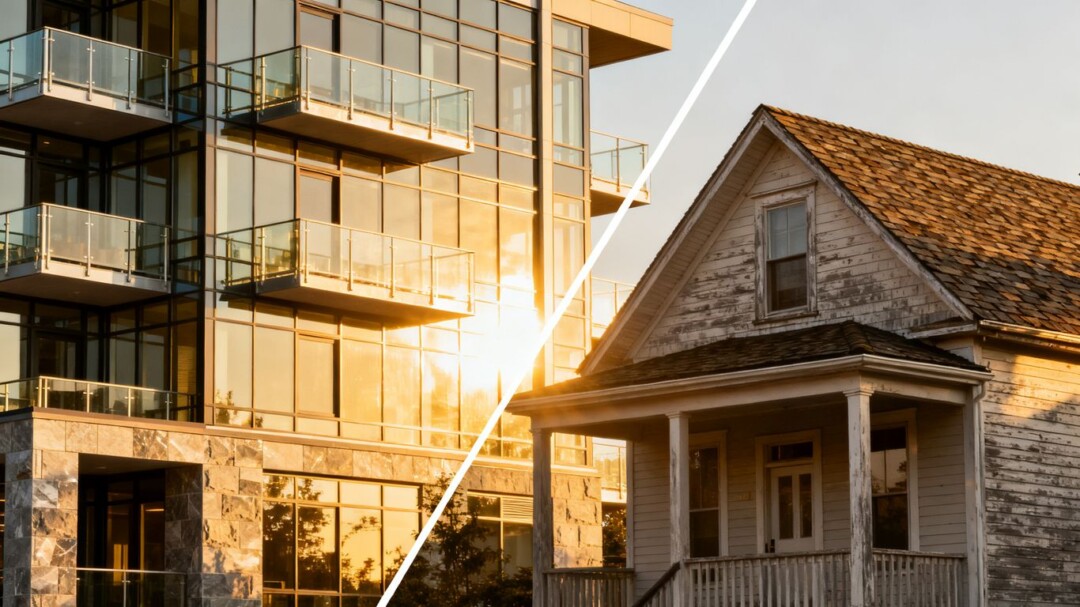
The Edgewater luxury condominium market in the first quarter of 2026 is characterized by a recalibration rather than a decline. After a period of rapid appreciation, the market has entered a more measured, data-driven phase with increased supply and longer transaction timelines. This evolution has created a fragmented, two-speed market where outcomes vary significantly based on property specifics.
Key Takeaways
- The market has shifted from momentum-driven to a more measured, data-driven phase.
- Elevated supply and extended transaction timelines are prevalent.
- A clear divergence exists between top-tier and average properties, creating a two-speed market.
- Pricing has moderated, with top-end properties seeing a 10-20% compression from peak levels.
- Buyers now have increased choice and negotiating power.
Pricing Trends and Market Positioning
Following peak pricing between 2022 and 2023, Edgewater’s market entered a plateau in 2024 before a modest adjustment and stabilization through 2025 and into 2026. Top-tier properties now trade around $1,200 to $1,350 per square foot, with exceptional penthouses occasionally exceeding this. The broader inventory is transacting closer to $900 to $1,000 per square foot. This represents a compression at the top end, not a broad decline, with prices remaining significantly elevated compared to pre-2021 levels.
Supply Dynamics and Inventory Pressure
Inventory has expanded significantly, with months of supply in the twelve to twenty-plus month range. This increase is due to new developments like Aria Reserve being completed and more resale listings entering the market. This heightened supply intensifies competition, especially within newly delivered buildings, giving buyers more choice and negotiating power.
Transaction Velocity and Days on Market
Days on market have extended, with current timelines averaging 120 to 240 days. Approximately 40-50% of listings in certain buildings have seen price reductions. While demand has become more selective, high-floor units, penthouses, and properties with exceptional views continue to transact relatively efficiently when priced appropriately.
Negotiation Trends and Price Discovery
Most transactions in 2026 are occurring at discounts of 5-12% below asking prices. This reflects a market in active price discovery, where sellers’ expectations anchored to peak pricing meet buyers’ current market realities. Negotiation is the primary mechanism for achieving equilibrium.
The Emergence of a Two-Speed Market
The most defining characteristic of the Edgewater market in 2026 is the divergence in performance. Top-tier properties (newer buildings, high floors, premier lines, water views) show relative liquidity. In contrast, secondary properties (older buildings, lower floors, compromised layouts, overpriced listings) experience longer marketing periods and require more substantial price adjustments.
Liquidity Patterns and Market Segmentation
Liquidity is concentrated in the $900,000 to $2.2 million price band, driven by one- and two-bedroom units. Higher price points, especially above $3 million, remain active but are more conditional, with longer timelines. The key is alignment with market expectations, not just price level.
Areas of Strength and Weakness
Newer developments with modern design and amenities are strengths. Older buildings and those requiring renovation face increased competition and require pricing concessions. Overpriced listings are a significant challenge, leading to extended market exposure and lower final sale prices.
External Influences on Market Behavior
Elevated interest rates increase financing costs, making buyers more payment-sensitive. Rising insurance costs also impact affordability. However, continued migration into South Florida provides underlying demand support. New development activity raises buyer expectations and intensifies competition for older properties.
Outlook for the Next 6 to 12 Months
Inventory is expected to remain elevated, but absorption will continue at a measured pace. Pricing for premium properties should remain stable, with potential for modest appreciation. Properties that are outdated or overpriced may face continued downward pressure. Buyer leverage is expected to persist, particularly in segments with higher inventory.
Conclusion
The Edgewater luxury condominium market in 2026 is transforming. It favors buyers with increased choice and negotiating power, but competition remains strong for the best properties. Success hinges on understanding specific market dynamics, disciplined pricing, and strategic positioning.