

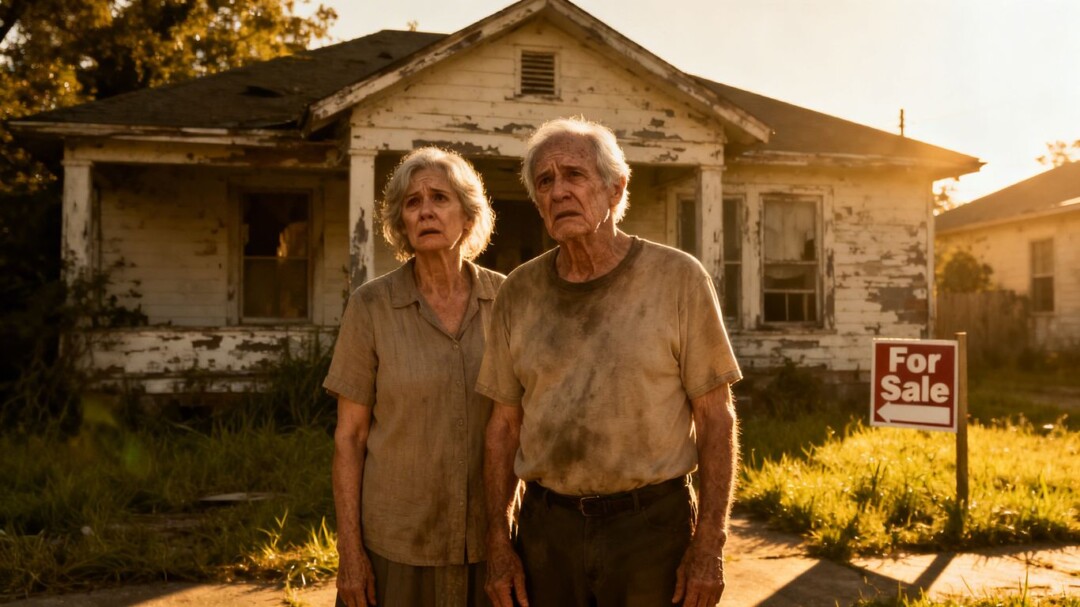
Florida is currently leading the nation in foreclosure cases, a troubling trend that is disproportionately affecting senior homeowners. Behind the statistics are individuals like Janor Farthing, a 67-year-old retiree whose dream of a "forever home" is now threatened by mounting financial pressures.
Key Takeaways
- Florida has the highest number of foreclosure cases in the United States.
- Senior citizens are particularly vulnerable to these foreclosures.
- Sudden increases in HOA fees and assessments are a primary driver of the crisis.
The Growing Foreclosure Problem in Florida
Recent data from ATTOM, a property data and real estate company, indicates that Florida has surpassed other states in the number of foreclosure filings. While these numbers represent a broad market trend, they translate into significant hardship for many residents, especially those on fixed incomes.
A Senior’s Struggle
Janor Farthing, a Boca Raton resident, exemplifies the plight of many seniors. After purchasing her condo for $85,000, she anticipated it would be her permanent residence. However, a combination of poor health and the impact of COVID-19 led to her early retirement. Now living on a Social Security income of $1700 per month, Farthing is facing insurmountable increases in her housing costs.
She received notification of a $2,300 monthly assessment for essential building repairs, a substantial jump from her previous payments. Compounding her financial distress, a letter from an HOA lawyer indicated she owed an additional $10,000 due to a mix-up in monthly fees, with a foreclosure threat if she failed to comply. "What do I do? I thought I’ll be living with my dog in a car," Farthing expressed, highlighting the immense stress and uncertainty she faces.
A Widespread Issue
Property investor Katrina Vought confirms that Farthing’s situation is not isolated. She frequently encounters seniors who are burdened by high assessments on their homes, pushing them to the brink of foreclosure. This pattern suggests a systemic issue where unexpected and significant increases in community living costs are jeopardizing the financial security of elderly homeowners in Florida.