

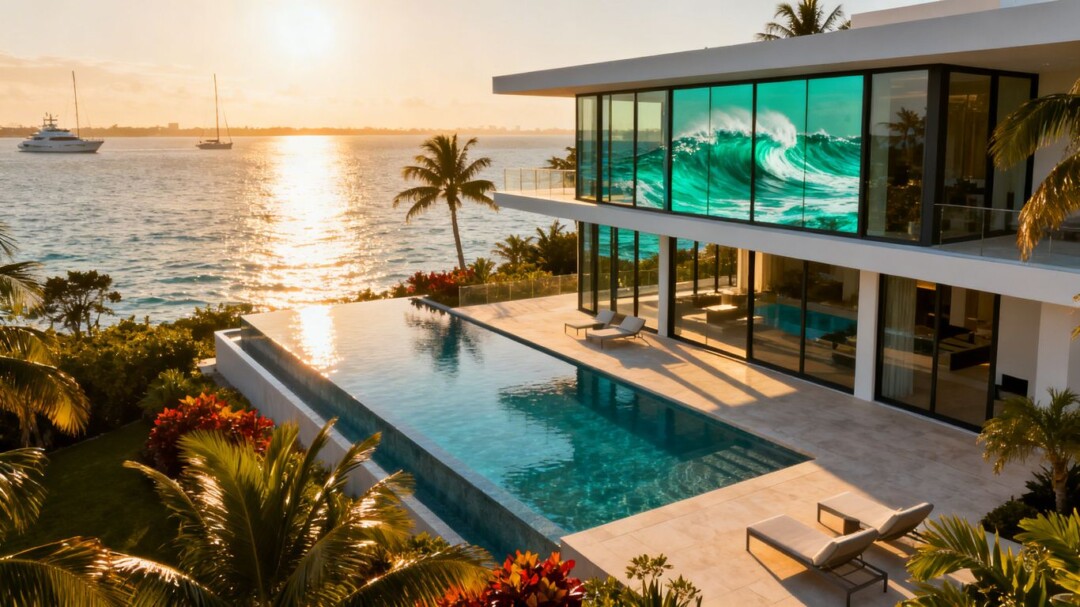
South Florida’s luxury real estate market is currently experiencing a slowdown, characterized by an oversupply of high-end properties, particularly condominiums. This shift has created a buyer’s market, prompting developers to innovate and buyers to become more discerning. Experts anticipate a period of negotiation and strategic differentiation as the market adjusts.
Key Takeaways
- A buyer’s market is emerging due to oversupply, especially in luxury condos.
- Developers are focusing on branding, amenities, and unique project features to stand out.
- Buyers are increasingly seeking stability, privacy, and value, favoring branded residences and wellness-focused developments.
- Multigenerational living is influencing demand for larger, more flexible living spaces.
- Inherited wealth is creating a new wave of well-capitalized, younger buyers.
Navigating a Buyer’s Market
As 2026 unfolds, South Florida’s luxury real estate sector is tipped in favor of buyers. Zack Simkins, managing director at Vaster, advises potential buyers to be aggressive in negotiations, leveraging the slower transactional period to their advantage. While the market is cooling, Simkins views this as a normal market cycle rather than a cause for alarm.
Developer Strategies Amidst Oversupply
The current luxury market is marked by an oversupply, especially in condominiums, a situation exacerbated by developers aiming for high price points to recoup land costs. Peter Zalewski, a condo market expert, notes this as a correction following the pandemic-driven "FOMO days." Developers are responding by differentiating their projects through various means, including:
- Partnering with luxury brands.
- Incorporating high-end restaurants and designer collaborations.
- Focusing on unique amenities and wellness features.
The Savvy Luxury Buyer
Buyers in the luxury segment are becoming more sophisticated and risk-averse. Fernando de Nuñez y Lugones, CEO of Vertical Developments, observes a trend towards more conservative purchases after a volatile period. Branded residences, such as Miami’s Aston Martin Residences, are gaining traction as they offer a "trust signal" to buyers who rely on established brand reputations for due diligence. This trend is particularly appealing to international buyers seeking familiar quality markers.
The Rise of Wellness and Boutique Projects
Wellness amenities are emerging as a significant value driver in luxury real estate. Projects like Constellation Group’s Cora Merrick Park in Coral Gables are integrating features such as red light therapy, saunas, cold plunge pools, and yoga terraces, aiming for WELL Building Institute certification. Similarly, THE WELL Coconut Grove and THE WELL Bay Harbor Islands are focusing on health and wellness. These developments are often boutique in scale, allowing for greater attention to detail in luxury offerings. However, some experts caution that extensive amenities can lead to higher maintenance costs, potentially deterring buyers.
Shifting Buyer Demographics and Priorities
Globally, the luxury housing market is buoyed by wealth creation, international demand, and buyers less sensitive to interest rates. A significant portion of luxury purchases are second homes, with Florida seeing more than half of its luxury transactions tied to this category. Inherited wealth is also fueling a new demographic of younger, well-capitalized buyers. Furthermore, multigenerational living is influencing design, with buyers seeking homes that accommodate extended family, leading to demand for compounds, contiguous homes, and multiple primary suites.
A Market Driven by Lifestyle and Legacy
Looking ahead, the luxury market is increasingly shaped by lifestyle and legacy considerations rather than purely economic factors. High-end real estate continues to be viewed as a stable investment for capital, time, and family, reflecting a desire for long-term value and quality of life.