

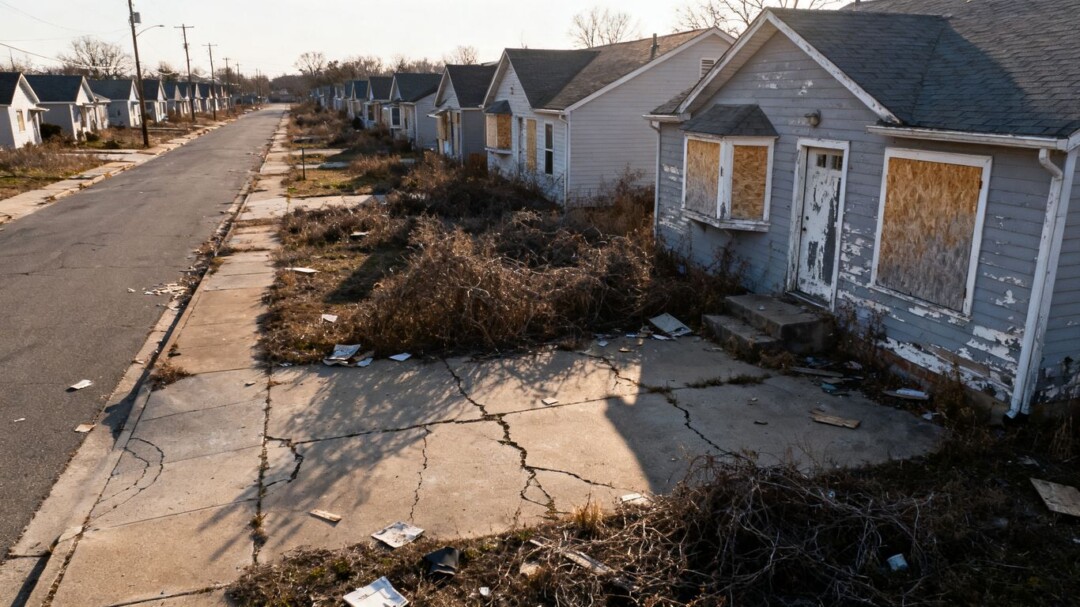
America had an estimated 15.6 million unoccupied housing units in the second quarter of 2026, according to a recent Census Bureau report. Yet the figure does not represent a vast supply of homes ready for buyers. Only about one million units were listed exclusively for sale, while the rest were tied to seasonal use, rentals, pending transactions, or other circumstances.
Key takeaways
- The United States had approximately 15.6 million unoccupied housing units in the second quarter of 2026.
- Only about one million vacant units were actively listed for sale.
- Nearly six million homes were off the market for a range of reasons.
- Many remaining units were seasonal properties, rentals, or homes awaiting new occupants.
Most vacant homes are not available to buyers
The headline vacancy figure can create the impression that millions of homes could quickly be added to the for-sale market. In practice, most unoccupied units are not available for purchase. Some are held by owners as second homes, while others are temporarily empty between tenants or buyers.
The distinction matters because an unoccupied property is not necessarily an abandoned or market-ready home. Availability depends on the owner’s plans, the property’s condition, its location, and whether it is already committed to another use.
About one million homes were listed for sale
Only roughly one million of the vacant units were identified as unoccupied and exclusively offered for sale. That is a small share of the overall total and provides a more useful measure of the housing supply immediately accessible to prospective buyers.
Although this inventory may still represent opportunities in individual markets, it is not large enough to transform national housing conditions on its own. Local shortages, prices, financing costs, and the condition of available properties continue to shape buyer access.
Why millions of units remain off the market
Nearly six million unoccupied homes were described as being off the market for various reasons. Properties may be undergoing repairs, awaiting sale or rental arrangements, held for a future occupant, or kept for personal use. Some could also be difficult to sell or rent because of their location or condition.
Other vacant units were associated with normal turnover in the housing market. A rental apartment can be empty between leases, and a recently sold home may remain unoccupied before the new residents move in.
Vacancy figures need careful interpretation
The data highlights why national vacancy statistics should be read alongside market availability. A large number of empty homes does not automatically mean buyers have abundant choices or that housing costs will fall. The most significant question is how many units are habitable, accessible, and genuinely available at prices households can afford.
The figures also suggest that addressing housing shortages may require more than bringing existing vacant properties to market. Construction, renovation, zoning decisions, and incentives for owners could all influence whether unused housing becomes part of the active supply.