

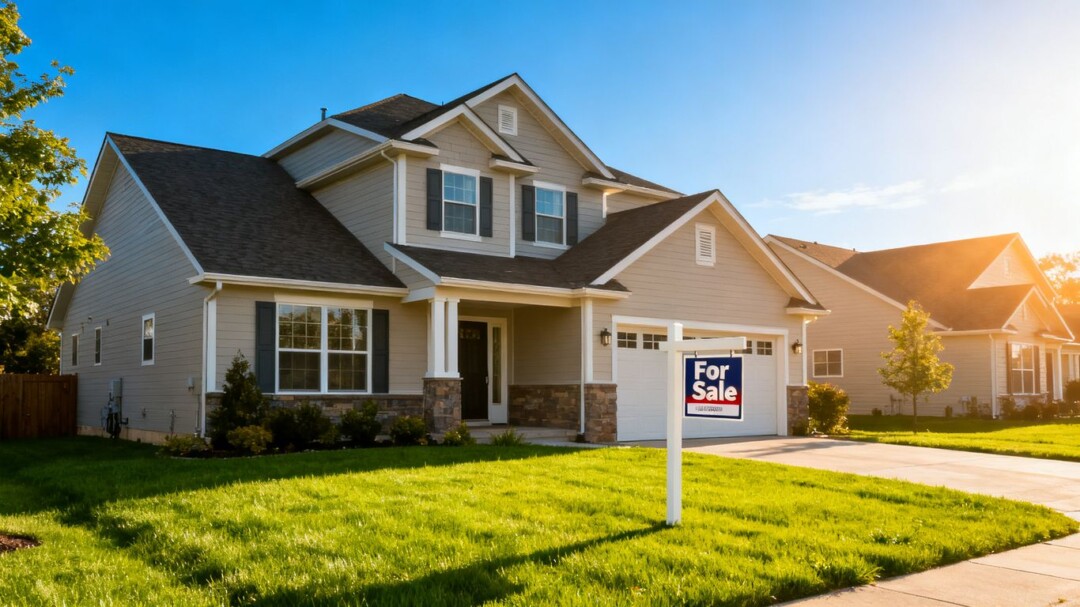
The United States housing market demonstrated surprising stability in April, with home prices maintaining a consistent annual growth rate of 0.4% for the second consecutive month. This steady performance occurred despite a notable increase in interest rates, which typically cools down the market, especially during the crucial spring homebuying season. The median home price saw an increase from $409,500 in March to $417,450 in April.
Key Takeaways
- Annual home-price growth remained at 0.4% in April.
- The median home price rose to $417,450.
- Cotality forecasts a 5.3% price increase between April 2026 and April 2027.
- Significant regional variations exist in market performance.
Market Dynamics and Economic Factors
Cotality’s Chief Economist, Dr. Selma Hepp, attributed the lukewarm pace of price growth to a recent surge in mortgage rates. This surge disrupted the traditional spring homebuying season, leading to a national average that masks considerable differences across various housing markets. Some areas, particularly Midwest industrial hubs, parts of the Northeast, and certain coastal markets, are experiencing distinct trends.
Dr. Hepp highlighted that market strength indicates some buyers are less affected by mortgage rate volatility. These buyers are often supported by substantial home equity and gains in the stock market. Conversely, markets that rely more heavily on traditional mortgage financing and rate-sensitive buyers are witnessing relatively flat price trends. The overall decrease in markets experiencing year-over-year price declines in April suggests a continued stabilization across the broader housing market.
Regional Variations in Home Price Growth
While the national picture may appear flat, local markets are telling very different stories. Dr. Hepp noted that although annual home-price growth has seen little change since the beginning of the year, some markets are experiencing notable acceleration in price gains. These include markets in the West bolstered by strong job and income growth, as well as more affordable markets in the Midwest.