

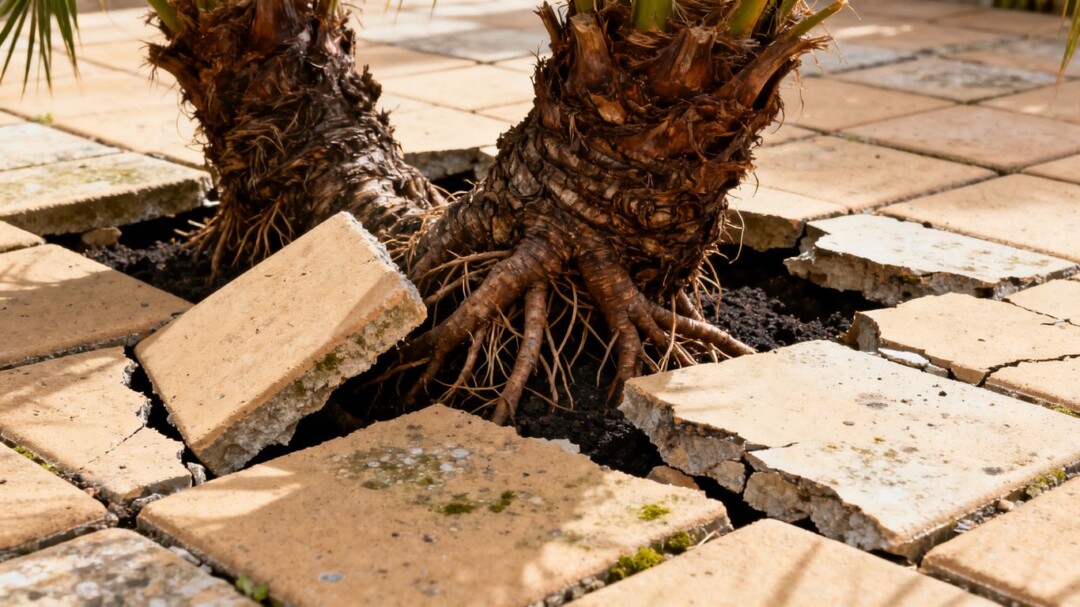
A homeowner is seeking advice on whether they are liable for damage to a neighbor’s pavers, which the neighbor attributes to the roots of a royal palm tree planted on the homeowner’s property. The tree, planted by the developer four years ago, is situated 10 feet from the property line.
Key Takeaways
- Generally, property owners are not liable for damage caused by the natural growth of trees on their property.
- Neighbors have a right to "self-help" by trimming encroaching roots or branches at their own expense.
- Community association rules or municipal ordinances may alter standard liability.
Understanding Property Owner Liability
In most cases, property owners are not legally obligated to pay for damages caused by the natural growth of trees and other vegetation on their land. This principle is rooted in the idea of practicality, allowing individuals to protect their own property rather than initiating numerous legal disputes.
The Right to Self-Help
If a neighbor’s tree roots or branches encroach onto your property and cause damage, you generally have the right to take "self-help" measures. This means you can trim the roots or branches that extend onto your property to safeguard your own land. However, this action must be done at your own expense, and you cannot harm the tree itself in the process.
The fact that a developer initially planted the tree does not shift liability. Courts have consistently held that landowners are not responsible for preventing the natural growth of tree roots, even if the tree was intentionally planted, provided the tree is healthy and not inherently dangerous.
Checking Local Regulations and Community Rules
While general legal principles apply, it’s crucial to investigate specific rules that might govern your situation. Your community association’s governing documents and your municipality’s local ordinances could contain provisions that affect your rights and responsibilities. Reviewing these documents and contacting local code enforcement is recommended to determine if any specific regulations apply.
Neighborly Relations
Beyond legal obligations, it’s important to consider the ongoing relationship with your neighbor. Since you will likely continue to live next to each other, approaching the situation with an awareness of this long-term dynamic can be beneficial. While you are not obligated to pay for damage you are not liable for, maintaining a civil approach to a potentially frustrating issue is advisable.