

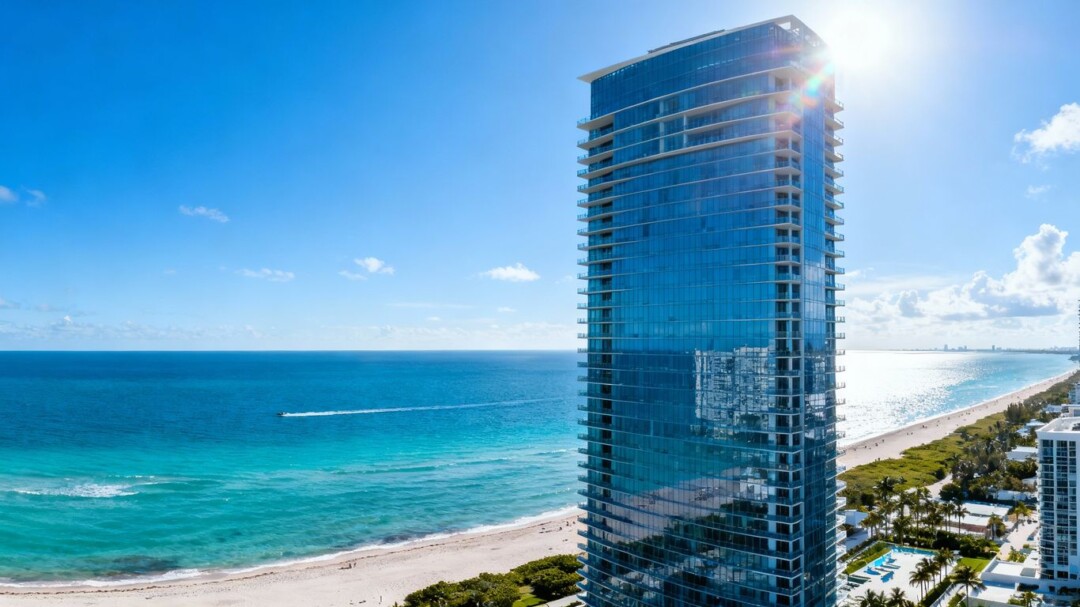
A recent in-depth report has peeled back the layers of Miami’s seemingly booming condo market, revealing a stark contrast between high-flying towers and those quietly underperforming. The analysis, drawing from hard data rather than marketing hype, aims to equip buyers and sellers with crucial insights to navigate one of the nation’s most dynamic real estate landscapes and avoid costly missteps.
Key Takeaways
- The report emphasizes a data-first approach, moving beyond sales spin to identify condos that genuinely hold or increase value.
- It highlights specific buildings experiencing significant inventory, price drops, or stagnant appreciation over extended periods.
- Factors like rising HOA fees, hidden carry costs, and neighborhood market pressures are identified as critical indicators of a condo’s true performance.
- The analysis contrasts successful projects, often characterized by quality and exclusivity, with those that falter due to oversupply or weak strategy.
Beyond the Hype: A Data-Driven Approach
The report’s creators stress that their intention was not to target developers but to let objective numbers dictate the narrative. In a market often saturated with promotional language, this analysis focuses on underperforming condos relative to their price per square foot. This data-driven perspective aims to uncover opportunities for buyers and provide a clearer picture for sellers, cutting through the noise to reveal tangible market patterns.
Identifying Underperformers
Several prominent condo buildings were highlighted for their less-than-stellar performance. These include:
- ONE THOUSAND MUSEUM: Four-bedroom units trade between $6M-$7M, with limited sales above $4M in the past year.
- PARAMOUNT WORLD CENTER: A high number of units (75) are for sale, with 60% on the market for over six months, contrasting with only 16 sales in the past year.
- MUSE SUNNY ISLES: After a peak, prices have settled back to approximately $1,380 per SF from a high of $1,600 per SF.
- PORSCHE DESIGN TOWER: Resale prices have dropped significantly from around $2,000 per SF to $1,200 per SF, with 31 units for sale, 60% of which have been listed for over six months.
- AR MANI CASA: No appreciation in the past four years, with 25% of the condo selling within two years of launch.
- REGALIA, Sunny Isles: Sees the highest percentage of discounts from asking price, averaging 15% over the last two years.
- FAENA HOUSE: Values have fallen from $3,200 per SF in 2022 to $2,750 per SF in 2025, while HOA fees have surged 50–60%.
- ICON BRICKELL: HOA fees have risen 50%, while rental prices have decreased by 5% from 2024 and 10% from 2022–2023 levels.
- KENILWORTH Bal Harbour: Current values are around $550 per SF, the same as in 2014–2015, indicating no appreciation over a decade.
- NINE AT MARY BRICKELL: Prices are approximately $550 per SF, only 16% higher than in 2015.
- RISE Brickell City Center: Values are down 10% from the 2023 peak, with no appreciation since 2021.
- ASTON MARTIN RESIDENCES: A high inventory of 94 out of 391 units for sale (33%) is exerting downward pressure on market values.
The Real Metrics Behind Performance
The report identifies key metrics that reveal a condo’s true performance, including days on market, historical price-per-square-foot trends, discount sizes from original asking prices, and inventory levels. High HOA fees, rising carry costs, and the financial strain on older buildings further sharpen this picture. The distinction between buildings where units trade above their original purchase price versus those selling far below is crucial.
The Hidden Truth About HOA Fees and Carry Costs
An often-overlooked factor is the true cost of ownership, particularly HOA fees and carry costs. Initial estimates from developers can change dramatically once homeowners’ associations take control. Insurance premiums, reserves, and maintenance often drive fees higher than anticipated, especially in older or amenity-rich buildings. Realistic and sustainable HOA fees are paramount for savvy buyers.
Neighborhood Pressures and Reputation
Market dynamics and neighborhood characteristics significantly influence condo performance. For instance, markets heavily reliant on foreign buyers and investors can experience volatility. Conversely, neighborhoods with steady demand from end-users and limited new development may show more resilience. A building’s reputation, whether for lawsuits, construction issues, or consistent underperformance, can also impose a lasting market discount.
The Formula for New Construction Success (and Failure)
In Miami’s new development market, the line between success and failure is thin. Developers face risks from financing delays, commission issues, and market shifts. While some projects thrive due to quality, exclusivity, and strong developer credibility, others struggle with oversupply or weak strategies, becoming cautionary tales. Genuine scarcity and strategic execution are key differentiators.
Cutting Through the Hype: Where Miami’s Condo Market Truly Delivers
Miami’s condo market is not monolithic. While some areas face challenges, others, like Coconut Grove, show strong demand, with new construction significantly outselling resales. This success is attributed to desirable locations and local buyer demand. The report contrasts these genuine successes with projects that overpromise in their marketing, urging buyers to distinguish between marketing fantasy and actual livability.
Honest Reporting Builds Better Buildings
While reporting on market issues can be unpopular, it is essential for market improvement. Honest reporting, though sometimes met with resistance, ultimately pushes developers to enhance their product and helps buyers make more informed decisions. Transparency, while potentially uncomfortable in the short term, fosters trust, accountability, and stronger buildings in the long run.