

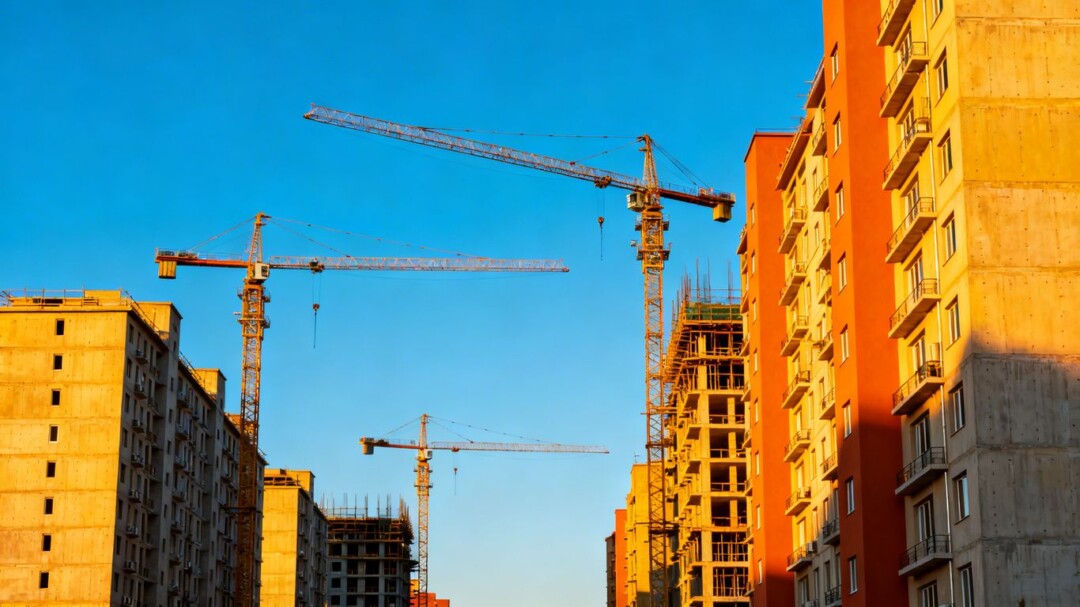
A recent survey indicates that Miami-Dade County significantly outpaces Broward and Palm Beach counties in the construction of affordable housing. While efforts are being made across the region, the pace of development is struggling to meet the growing demand, particularly for seniors and hourly wage workers.
Key Takeaways
- Miami-Dade County leads South Florida in affordable housing construction, with a substantial increase in units built between 2020 and 2024.
- Broward and Palm Beach counties have seen a decline in new affordable apartment completions during the same period.
- A surge in higher-income residents has driven up housing costs, making it difficult for many long-term residents and essential workers to afford housing.
- Advocates and officials acknowledge the challenge, with some pointing to the state’s Live Local Act as a potential aid, though its impact varies by county.
Affordable Housing Landscape
A survey by RentCafe, which tracks rental pricing nationwide, revealed that Miami-Dade County completed 8,690 affordable apartments between 2020 and 2024, representing about 19% of all new apartment construction in the metro area. This marks a 97% increase compared to the previous five-year period, solidifying Miami’s position as a hub for income-restricted development.
In contrast, Broward County’s largest city, Fort Lauderdale, experienced an 18% drop in completed affordable apartments, with 955 units built between 2020 and 2024. The West Palm Beach–Boca Raton area saw a 15% decline, constructing 1,068 units in the same timeframe, with affordable apartments making up less than 10% of new construction.
The Growing Affordability Gap
The influx of higher-income residents since the COVID-19 pandemic has exacerbated the housing affordability crisis. As well-paid professionals have moved to Florida, housing prices have surged, pushing out long-term residents and making it difficult for middle-level employees and hourly wage workers to find suitable housing.
Experts note that the housing supply is not keeping pace with the region’s economic base. Many South Floridians are considered "cost-burdened," spending at least 30% of their monthly income on housing. Affordability ratios, which measure the percentage of earnings spent on rent, are significantly higher in Miami-Dade compared to Broward and Palm Beach counties.
Efforts and Initiatives
Despite the challenges, efforts are underway to address the affordable housing shortage. In Broward County, commissioners unanimously approved a resolution to allocate 90% of revenue from expired Community Redevelopment Agencies to the Broward County Affordable Housing Trust Fund. This initiative aims to fund affordable housing projects without resorting to new taxes or bond market borrowing.
Public-private partnerships are also playing a role. For instance, the Villa Jordana project in Hollywood, a joint venture between Housing Trust Group and AM Affordable Housing, will provide affordable housing for low-income seniors. Developers emphasize the importance of collaboration between government, private developers, and nonprofit partners to strategically expand housing supply.
Looking Ahead
While some counties are making strides, catching up with the demand for affordable housing remains a significant challenge. Experts suggest that a shift in population growth and a substantial increase in housing construction are necessary to bridge the gap. The issue is viewed as regional, with many residents commuting across county lines for work, highlighting the need for a coordinated approach to housing development across South Florida.
Sources
- Broward, Palm Beach trail Miami in affordable housing, Sun Sentinel.