

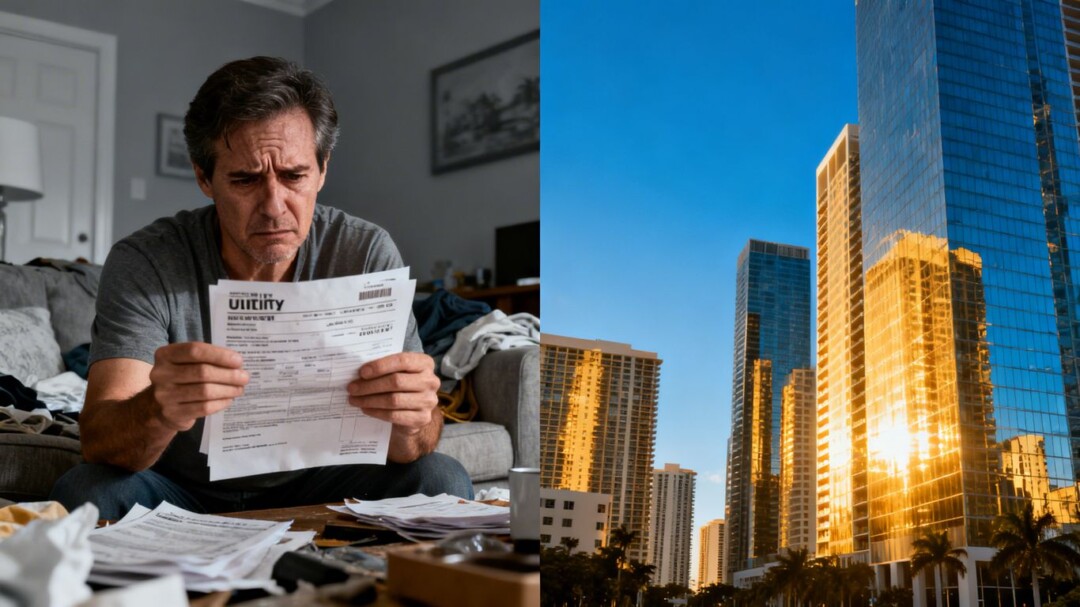
Miami-Dade County is at the center of a heated debate over property taxes, with proposals in Tallahassee aiming to significantly reduce or eliminate them for homeowners. This potential shift could lead to substantial savings for some residents but also raises serious concerns about the future of county services and the overall housing market.
Key Takeaways
- Eliminating non-school property taxes on primary residences could cost Miami-Dade County over $900 million annually.
- Proposed tax cuts could inadvertently increase home values, potentially making homeownership more expensive.
- Buyers need to understand how property taxes are calculated, as they can differ significantly from previous owners’ bills.
- Climate change impacts are being considered as a factor in property value assessments, potentially affecting tax revenue.
The Cost of Tax Elimination
Proposals to end local property taxes on primary residences, often referred to as homestead properties, could result in Miami-Dade County losing approximately $909 million in revenue. This significant financial blow would impact funding for essential county services, including fire departments, libraries, and law enforcement patrols. Mayor Daniella Levine Cava has expressed concern, questioning the state’s ability to fund these services if local tax revenue is eliminated.
Homebuyer Considerations
For prospective homebuyers in Miami-Dade, understanding property tax calculations is crucial. A new owner’s tax bill can differ dramatically from the previous owner’s due to factors like the reset of assessed value closer to the market price and the application of exemptions. The Homestead Exemption, which caps annual increases in assessed value, is a key benefit that does not automatically transfer to new owners. Buyers must actively apply for exemptions and be aware that millage rates, set by various local taxing authorities, can change annually, affecting the final tax bill.
Potential Impact on Housing Market
While the idea of eliminating property taxes is appealing for homeowners seeking immediate relief, economists suggest it could paradoxically make housing more expensive. By reducing the cost of homeownership, property values are likely to increase. One analysis estimates that eliminating all property taxes could boost property values by 7-9%, adding tens of thousands of dollars to the median home price. Even a more modest cut, excluding school taxes, could increase property values by around 4%.
Climate Change and Property Values
In Miami-Dade, the impact of climate change on property values is also entering the property tax discussion. The County Property Appraiser is exploring ways to incorporate climate risks, such as sea-level rise and increased flooding, into property assessments. The rationale is that properties in vulnerable areas may warrant a lower assessed value, which could, in turn, reduce tax revenue for local governments. However, this approach is also seen as a way to potentially lower tax bills for existing homeowners in affected areas and address housing affordability.
The Debate Continues
The debate over property taxes involves balancing homeowner relief with the need to fund vital public services. As legislative proposals move forward, residents are urged to stay informed about how these changes could affect their financial obligations and the services they rely on.
Sources
- Eliminating home property taxes would cost Miami-Dade $900M, Miami Herald.
- How Miami-Dade property taxes are calculated for buyers, Miami Herald.
- How eliminating property taxes may make Florida housing more expensive, WLRN.
- Florida property tax debate: what elimination could mean for your Miami-Dade County & Key Biscayne bills
| Real Estate, IslanderNews.com. - How climate change could change property taxes in Miami-Dade, WLRN.