

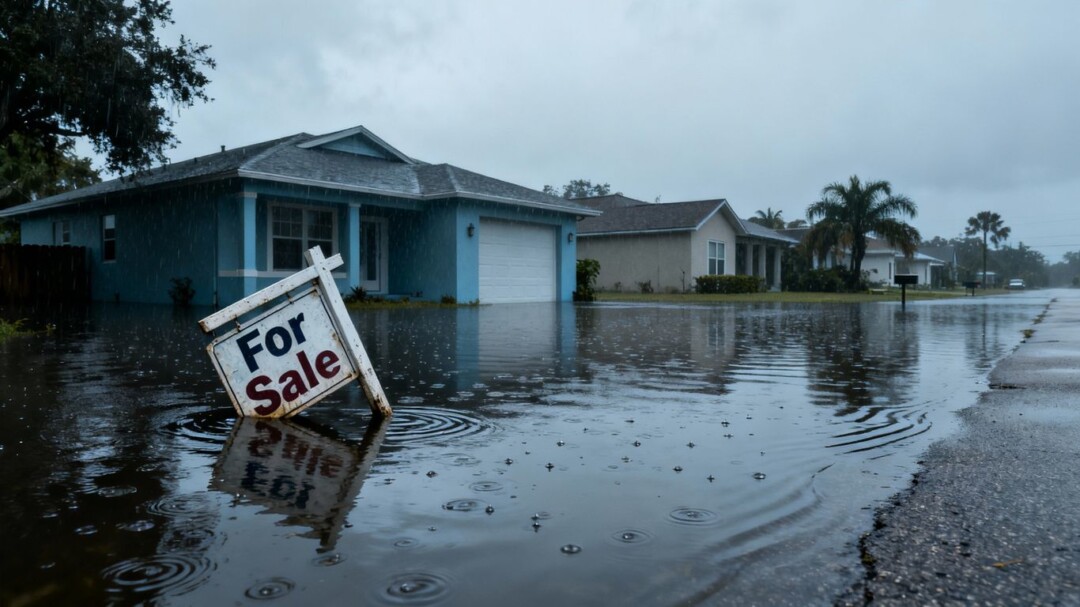
A federal government shutdown is casting a shadow over Florida’s vibrant housing market, causing significant disruptions and creating a climate of uncertainty for buyers, sellers, and real estate professionals. The immediate impact is being felt most acutely due to the expiration of the National Flood Insurance Program (NFIP), a critical component for transactions in flood-prone areas like much of Florida.
Key Takeaways
- The lapse in the National Flood Insurance Program (NFIP) is a primary concern, halting new policies and renewals.
- Mortgage lenders often require flood insurance, leading to stalled home sales and delayed closings.
- While some state and private insurance options exist, the overall uncertainty impacts market confidence.
- Other federal agencies involved in housing and loans are experiencing slowdowns or suspensions.
NFIP Lapse Stalls Transactions
The expiration of the NFIP on October 1st has put a significant pause on real estate transactions, particularly in coastal Southwest Florida. Many properties in this region are located within designated flood zones, making flood insurance a mandatory requirement for mortgage lenders before they will approve a loan. With the NFIP unable to issue or renew policies, buyers are struggling to secure the necessary coverage, leading to transactions being put on hold.
While existing NFIP policies remain valid until their expiration date, the inability to issue new ones or process renewals is creating a bottleneck. The National Association of Realtors (NAR) highlights that while existing policies can be transferred to new owners through an assignment process, this doesn’t cover all situations. Florida’s state-backed insurer, Citizens Property Insurance Corp., has temporarily waived its flood insurance requirement for policyholders during the shutdown, and private flood insurance providers are unaffected. However, the broader uncertainty surrounding federal programs continues to create stress.
Broader Federal Impacts on Housing
The ripple effects of the shutdown extend beyond flood insurance. The Department of Agriculture has suspended new direct and guaranteed loans, impacting scheduled closings. Construction loan disbursements are limited to property protection, and rental assistance may be curtailed. The Federal Housing Administration (FHA) continues to endorse most single-family mortgage loans, but potential staffing shortages could lead to processing delays, especially for condominium approvals. Housing counseling services and new voucher funding are also restricted until federal operations resume.
While government-sponsored enterprises like Fannie Mae and Freddie Mac are operating normally, some loan verification processes could be slowed due to restricted access to federal data, such as tax transcripts. Despite these challenges, many real estate professionals anticipate that most deals will eventually close once the government reopens. However, the duration of the shutdown remains a key concern, with prolonged closures potentially leading to more significant and lasting impacts on the housing sector.
Sources
- Impact of Government Shutdown on Real Estate in SWFL | Real Estate, Gulfshore Business.