

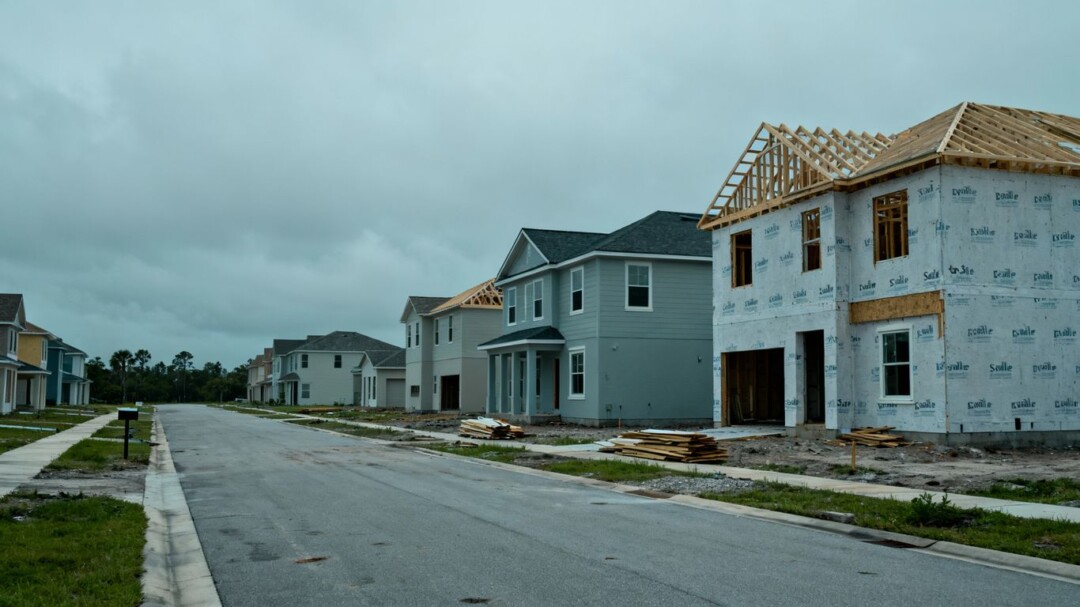
The ongoing federal government shutdown is casting a significant shadow over Florida’s vibrant housing market, causing delays in crucial transactions and raising concerns about broader economic impacts. With key federal programs stalled, potential homebuyers and sellers are facing unprecedented hurdles, particularly in flood-prone areas where flood insurance is paramount.
Key Takeaways
- The expiration of the National Flood Insurance Program (NFIP) is a primary concern, halting new policies and renewals.
- Lenders’ requirements for flood insurance are creating roadblocks for closings, especially in high-risk zones.
- Delays are affecting government-backed mortgage programs like those from the USDA, FHA, and VA.
- While some private insurance options exist, they may not cover all properties or situations.
- The shutdown’s duration is a critical factor, with longer shutdowns posing greater risks to the market and economy.
Flood Insurance Woes Stall Deals
The most immediate and impactful consequence of the shutdown for Florida’s housing market is the lapse of the National Flood Insurance Program (NFIP). This federal program is essential for many homeowners in flood-prone areas, as lenders often require proof of flood insurance before approving mortgages. With the NFIP unable to issue or renew policies, many transactions are being put on hold. While existing policies remain active until their expiration, the inability to secure new or renewed coverage is a significant barrier. This situation is particularly acute in Florida, which has the largest number of NFIP policies in the nation.
Mortgage Program Disruptions
Beyond flood insurance, the shutdown is also disrupting other critical government-backed mortgage programs. The U.S. Department of Agriculture has suspended new loan issuances, impacting buyers in eligible rural areas. Similarly, the Federal Housing Administration (FHA) and Veterans Affairs (VA) loan programs are operating with reduced staff, leading to potential delays in processing and approvals. While agencies like Fannie Mae and Freddie Mac continue to operate, some loan verifications requiring access to federal data, such as tax transcripts, could be slowed down.
Navigating the Uncertainty
Real estate professionals in Florida are working to find workarounds. For instance, Florida’s state-backed insurer, Citizens Property Insurance Corp., has temporarily waived its requirement for proof of flood insurance. Additionally, Fannie Mae and Freddie Mac have relaxed some flood insurance requirements, allowing a number of sales to proceed. Private flood insurance providers also remain unaffected, offering an alternative for some buyers. However, these solutions may not be universally applicable, especially for properties in high-risk flood zones.
Economic Ripple Effects
Realtors emphasize that real estate is a significant contributor to Florida’s economy. A prolonged slowdown in home sales could have far-reaching consequences, impacting related industries and overall economic growth. While many believe that a brief shutdown might only cause temporary delays, a shutdown extending for weeks or months could lead to more serious repercussions, with buyers and sellers potentially abandoning deals altogether. The duration of the shutdown remains the most critical factor influencing the extent of the damage to the housing market and the broader economy.
Sources
- Impact of Government Shutdown on Real Estate in SWFL | Real Estate, Gulfshore Business.
- Florida realtors warn government shutdown could cause home-buying delays – WFTV, WFTV.