

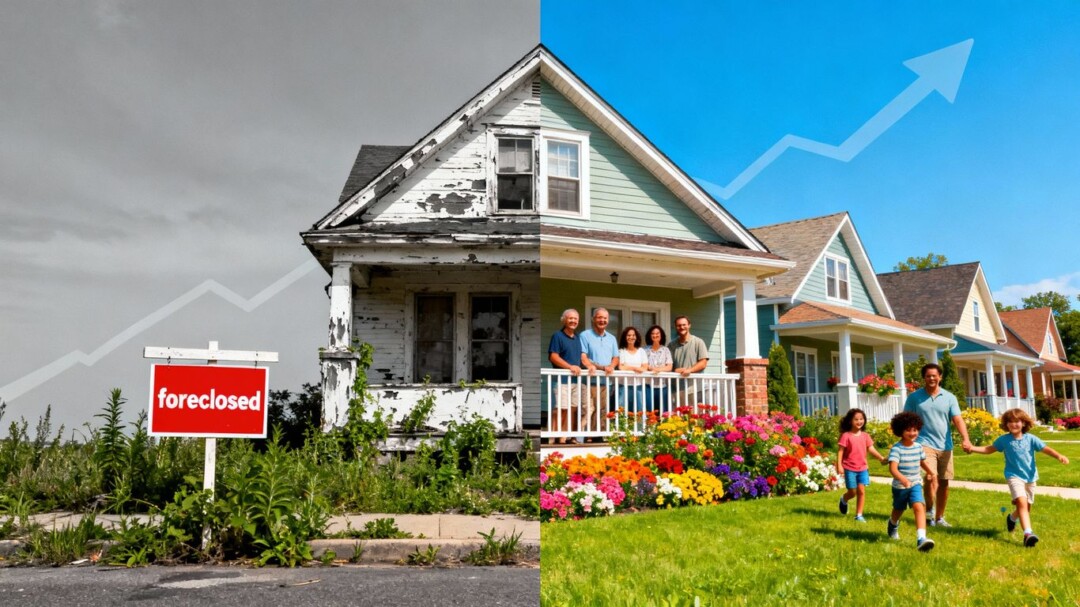
Recent reports indicate an increase in foreclosure activity nationwide, a statistic that might evoke memories of the 2008 financial crisis. However, experts are urging calm, emphasizing that the current situation is far from a repeat of past turmoil. The national foreclosure rate remains historically low, and the housing market is not on the brink of collapse.
Key Takeaways
- Foreclosure activity, while up year-over-year, is still below pre-pandemic levels.
- Lingering effects from COVID-19 moratoriums and current economic factors contribute to the rise.
- Stronger home equity, stricter lending, and a resilient job market offer a buffer.
- Affordability challenges impact buyers, potentially leading to fewer foreclosures in the long run.
Historical Context and Current Trends
While national foreclosure activity has seen a 17 percent year-over-year increase in the third quarter of 2025, it’s crucial to place this in historical context. Foreclosure rates are still significantly lower than they were before the COVID-19 pandemic began. For instance, in September 2025, one in every 3,997 housing units was in foreclosure proceedings, compared to one in every 2,841 units in February 2020.
The lingering effects of federal foreclosure moratoriums, which halted proceedings from March 2020 to July 2021, may still be influencing current data. Experts suggest that the process of working through these delayed cases, combined with factors like higher interest rates, affordability challenges, and household financial strain, are contributing to the ongoing year-over-year increases.
Reasons for Optimism
Despite the uptick, several factors suggest the housing market is not heading for a crisis:
- Loss-Mitigation Strategies: Mortgage servicers have continued to offer more options to struggling homeowners, a practice that became more prevalent during the pandemic.
- Increased Home Equity: Rising home prices have boosted homeowner equity, providing a financial cushion and more flexibility to sell if needed.
- Stronger Underwriting: Lenders have become more stringent, reducing the risk of foreclosure for new mortgages.
- Job Market Stability: A historically strong job market, with low unemployment rates, is a key indicator of financial stability for homeowners.
Affordability and Market Dynamics
Homeownership has become increasingly challenging due to rising mortgage payments, which have outpaced income growth. The median single-family home price is now significantly higher relative to median household income compared to pre-pandemic years. While this makes buying difficult, it also means that those who can secure a mortgage are likely more financially qualified, potentially leading to fewer future foreclosures.
Interestingly, some foreclosures, particularly vacant bank-owned properties, are at a five-year high. These properties are often being acquired by investors and revitalized, contributing to market balance. Experts liken this to a necessary component of a healthy housing ecosystem.
Regional Variations and What to Watch
Foreclosure activity is not uniform across the country. Some metropolitan areas, particularly in the Southeast, are experiencing higher rates, often due to markets that overheated during the pandemic boom. Conversely, many major metros have seen significant year-over-year declines in foreclosure activity.
For homeowners and prospective buyers, monitoring personal finances is key. This includes managing debt, maintaining emergency savings, ensuring steady income, and staying aware of broader economic indicators like unemployment rates and mortgage rate trends. A softening local real estate market, characterized by longer listing times and increasing inventory, could also signal shifts.
In conclusion, while foreclosure numbers are rising, experts maintain that the housing market is largely resilient, still recovering from the pandemic’s unique impacts and operating under more stringent lending conditions. The current situation is viewed as a return to balance rather than an impending crisis.