

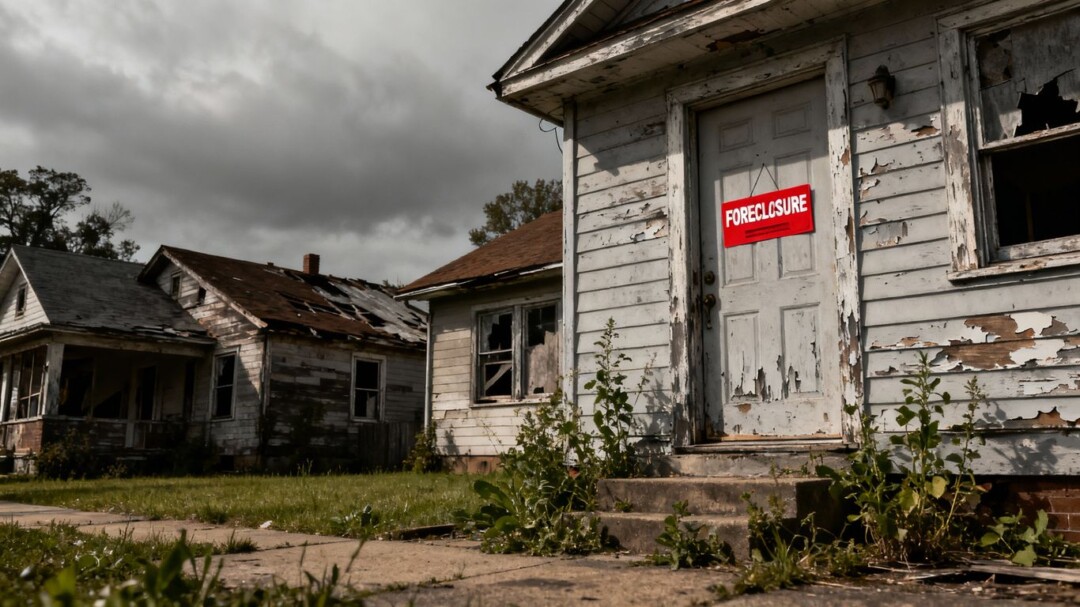
Foreclosure filings in the United States saw a notable increase in October, marking the eighth consecutive month of annual growth. While still below historic highs, the persistent rise suggests potential cracks in the housing market as homeowners grapple with elevated housing and borrowing costs. Florida emerged as the state with the highest foreclosure distress rate, with several of its metropolitan areas also topping the national list.
Key Takeaways
- Total U.S. properties with foreclosure filings increased by 3% from September and 19% year-over-year in October.
- Foreclosure starts rose 6% monthly and 20% annually, while completed foreclosures jumped 32% year-over-year.
- Florida, South Carolina, and Illinois led states in foreclosure filings, with Tampa, Jacksonville, and Orlando showing the highest rates in metropolitan areas.
- Despite the increases, overall foreclosure activity remains significantly lower than during the Great Recession.
Rising Foreclosure Activity
In October, a total of 36,766 U.S. properties experienced some form of foreclosure filing, including default notices, scheduled auctions, and bank repossessions. This figure represents a 3% increase from September and a substantial 19% jump compared to October of the previous year. This trend marks the eighth consecutive month of annual increases in foreclosure activity, according to data from Attom, a property data and analytics firm.
Foreclosure starts, the initial phase of the process, saw a 6% rise from the previous month and a 20% increase year-over-year. Completed foreclosures, the final stage, experienced an even more significant surge, climbing 32% annually. Attom CEO Rob Barber noted that while these increases are evident, foreclosure activity remains well below historic peaks, suggesting a gradual normalization of volumes as market conditions adjust and homeowners navigate higher costs.
Florida Leads the Nation in Distress
Florida, South Carolina, and Illinois were identified as the states with the highest number of foreclosure filings. On a metropolitan level, Florida’s Tampa, Jacksonville, and Orlando metropolitan areas reported the most filings. Riverside, California, and Cleveland rounded out the top five metropolitan areas with the highest foreclosure rates.
When examining completed foreclosures, Texas, California, and Florida recorded the highest numbers. This indicates that these states are likely to see an increase in housing inventory available at distressed prices. However, strong demand for homes, particularly in lower price ranges, suggests that these foreclosed properties may find buyers relatively quickly.
Market Context and Future Outlook
Experts emphasize that current foreclosure levels are still considerably lower than historical averages. At the peak of the Great Recession, over 4% of mortgages were in foreclosure; today, less than 0.5% are. Similarly, mortgage delinquencies are at 4%, compared to nearly 12% during the financial crisis.
However, certain areas warrant attention. Federal Housing Administration (FHA) delinquencies are over 11%, accounting for a significant portion of seriously delinquent loans, which could lead to more FHA loan foreclosures in 2026. States like Florida and Texas, experiencing falling home prices alongside soaring insurance premiums, are seeing an uptick in defaults. Persistent inflation, high mortgage rates, high consumer debt, and a weakening job market could also contribute to a further increase in delinquencies and defaults in the coming months.
Sources
- Foreclosures rise in October, a sign of housing market distress, CNBC.
- U.S. Foreclosures Surge in October, Florida Leads the Nation, The World Property Journal.