

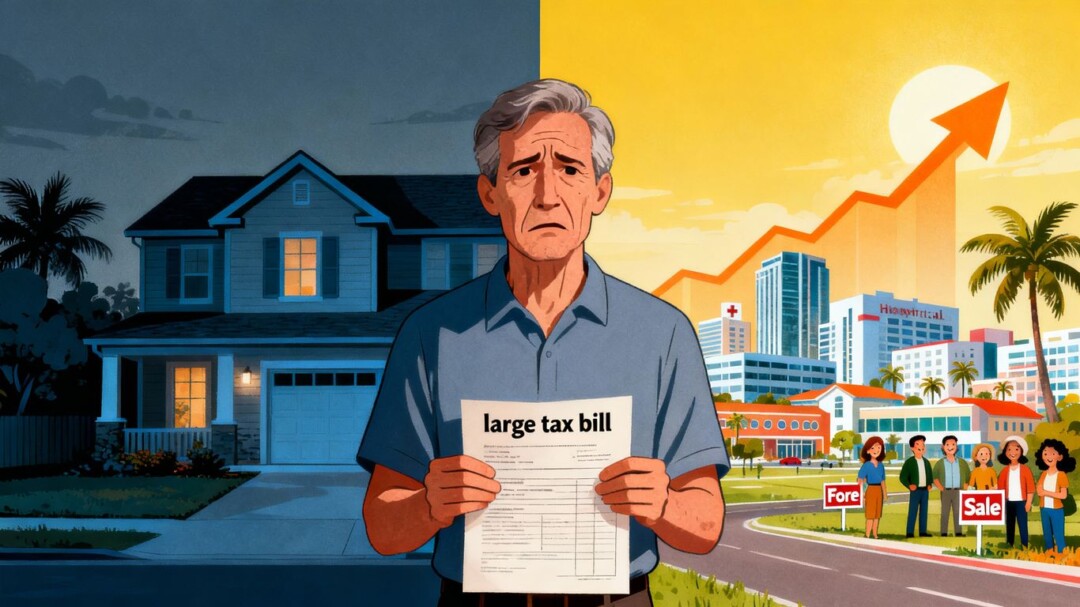
Florida is on the cusp of a potential property tax overhaul in 2026, with Governor Ron DeSantis championing proposals to significantly reduce or even eliminate property taxes for primary residences. This ambitious plan faces strong opposition from local leaders concerned about funding essential services, setting the stage for a pivotal legislative and electoral battle.
Key Takeaways
- Proposals aim to eliminate property taxes on homesteaded properties, potentially impacting around 70% of the current tax base.
- Local governments warn of drastic cuts to essential services like police and fire departments if property tax revenue is eliminated.
- Potential funding replacements include significant sales tax increases or state "backfilling" of local budgets, with specifics yet to be detailed.
- The proposal requires a 60% voter approval in a 2026 referendum.
- Critics argue the move could paradoxically increase home prices and shift costs to renters and commercial property owners.
The Push for Property Tax Elimination
Governor DeSantis has been a vocal proponent of property tax relief, citing rising property values and what he describes as "overspending" by local governments. The proposals being advanced in the Florida House include a substantial homestead exemption, a cap on assessment increases, and the ultimate goal of eliminating property taxes on primary residences. DeSantis argues that this relief is necessary to combat rising housing affordability costs and that a significant portion of current property tax revenue comes from non-Florida residents, second homes, and commercial properties.
Concerns Over Essential Services
Local government officials, including mayors and council members, have voiced strong opposition to the proposed reforms. They argue that property taxes are a critical funding source, generating billions annually and supporting essential services such as police, fire departments, emergency services, and public infrastructure. Without this revenue, they fear a significant decline in the quality and availability of these services, questioning how local governments would compensate for the loss.
Potential Funding Replacements and Economic Impacts
While no concrete proposals have been finalized, speculation suggests that a significant increase in the state sales tax could be considered to offset the loss of property tax revenue. Some estimates suggest the sales tax could rise from 6% to as high as 12%. Critics, however, warn that eliminating property taxes on primary residences could lead to an increase in home prices, as the cost of ownership decreases, making homes more valuable. This could disproportionately benefit property owners while potentially increasing rental costs for tenants and overhead for businesses. There are also concerns that taxes on commercial and rental properties would need to rise to compensate, impacting the broader economy.
A Pivotal 2026 for Florida
The debate is expected to intensify as the 2026 legislative session approaches. The proposals will likely be put before voters in a referendum, requiring at least 60% approval. The outcome of this debate could fundamentally reshape Florida’s tax structure and the delivery of local government services for years to come.
Sources
- 2026 could be pivotal year in Florida, WPTV.
- Florida advances plan to eliminate property taxes for primary residents, Fox Business.
- Florida needs its property taxes. DeSantis wants to end them, USA Today.
- Florida property tax reform could boost home prices, shift costs to renters, The Business Journals.
- How eliminating property taxes may make Florida housing more expensive, WLRN.