

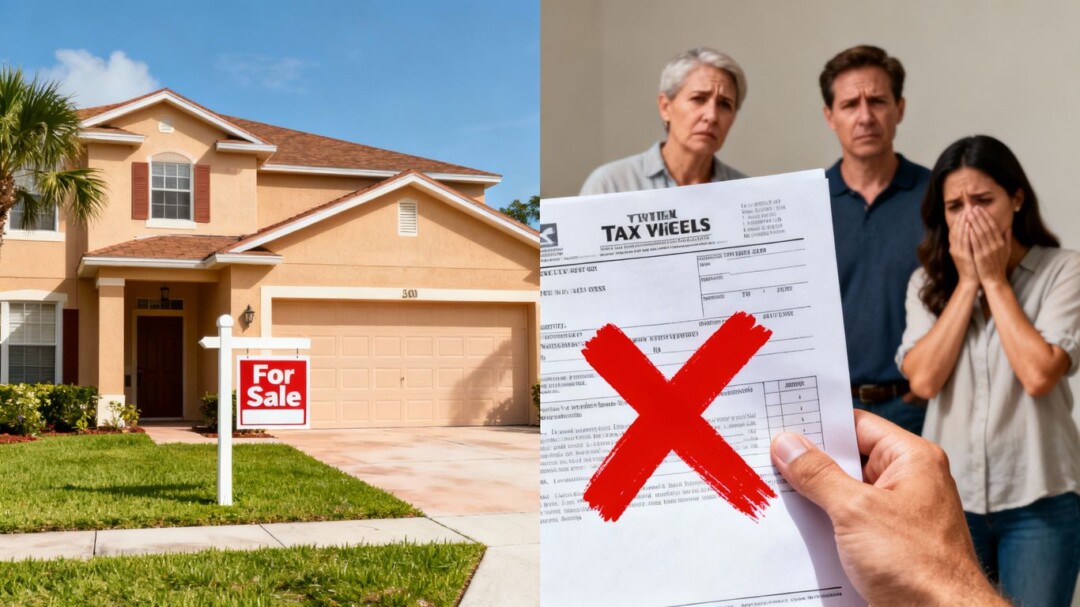
Florida lawmakers are currently debating a significant proposal that could eliminate property taxes for homesteaded properties. This potential shift, championed by Governor Ron DeSantis, has ignited a robust discussion about its far-reaching implications, particularly concerning the state’s housing market and local government revenue streams.
Key Takeaways
- Eliminating property taxes could lead to an immediate increase in home values, potentially making homeownership less affordable for first-time buyers.
- Local governments heavily rely on property taxes for essential services, raising concerns about revenue replacement.
- Alternative funding mechanisms, such as increased sales tax or value-added tax, are being considered.
- The proposal faces hurdles, including potential voter approval and the need for a balanced approach that doesn’t compromise public services.
The Push for Property Tax Elimination
Governor Ron DeSantis has been a vocal proponent of eliminating property taxes, arguing they are an "oppressive and ineffective form of taxation." He believes homeowners should not have to "perpetually pay rent to the government." This sentiment resonates with some property owners who view property taxes as a significant burden, especially for retirees.
Potential Market Impacts
Analysis suggests that eliminating property taxes could cause Florida’s real estate prices to jump by 7% to 9% almost immediately. While this would benefit existing homeowners by increasing their property’s value, it could create new hurdles for first-time homebuyers struggling with affordability. Some experts argue that this could disproportionately benefit wealthy Floridians while making it harder for others to enter the housing market.
Local Government Revenue Concerns
Many local governments, including cities and counties, rely heavily on property taxes as a primary source of revenue. For instance, property taxes account for over 65% of the City of Naples’ general fund revenue, funding essential services like police, fire-rescue, and parks. The elimination of these taxes without a reliable replacement revenue source could significantly impact the ability of these governments to provide these services. Officials are closely monitoring legislative updates, but formal plans to replace lost revenue streams are not yet established.
Alternative Solutions and Debates
While outright elimination is being debated, some lawmakers suggest increasing the homestead exemption as a more feasible alternative. Proposals include raising the exemption from $50,000 to $250,000, which could offer tax relief to many homeowners. Other potential funding mechanisms being discussed include an increased value-added tax (VAT), mirroring European models, or an increase in sales tax. However, concerns remain about shifting the tax burden to other areas or cutting essential services.
Path Forward
The resolution to eliminate non-school property taxes for homesteads requires a three-fifths vote in the Florida State Legislature and subsequent approval from 60% of voters in a general election. If approved, the exemption would take effect in 2027. The debate highlights the complex balancing act between providing tax relief and ensuring the continued provision of vital public services.
Sources
- How tax reforms could change Naples housing market | Real Estate, Gulfshore Business.
- Florida lawmakers debate property tax elimination proposal, Gulf Coast News and Weather.
- DeSantis’ property tax plan will make Florida’s housing crisis worse, Tampa Bay Times.
- How eliminating property taxes may make Florida housing more expensive, WLRN.
- Florida House Price Warning Issued Over Plan to Eliminate Property Taxes, Newsweek.