

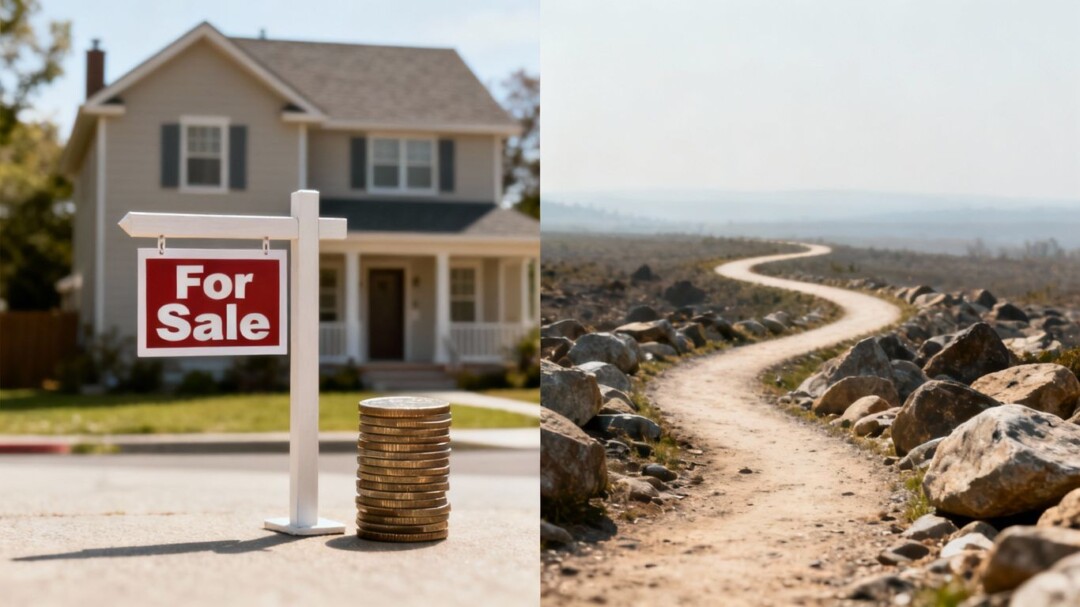
Florida Governor Ron DeSantis is championing a proposal to eliminate property taxes on primary residences, sparking a heated debate about its potential to alleviate housing costs. While proponents see it as a much-needed tax relief for homeowners, critics warn of unintended consequences, including potential increases in housing prices and significant impacts on local government funding.
Key Takeaways
- Eliminating property taxes on primary residences could lead to a 4-9% increase in home values, making purchasing a home more expensive.
- Local governments heavily rely on property taxes, and their elimination could necessitate drastic measures like increased sales taxes or budget cuts.
- The proposal exempts rental properties, second homes, and commercial real estate, raising questions about fairness and potential shifts in tax burdens.
The Governor’s Proposal And Its Rationale
Governor DeSantis has argued that property taxes are an "oppressive and ineffective form of taxation" and that eliminating them for "homesteaded" land would provide significant relief to Floridians struggling with rising housing affordability costs. His plan targets primary residences, leaving taxes on commercial properties, vacation rentals, and non-resident homes intact. DeSantis estimates this would exempt about 30% of Florida’s total property tax base, which has grown substantially in recent years, from $32 billion in 2019 to $56 billion in 2025.
Economic Implications And Housing Costs
Experts, however, express skepticism about the proposal’s ability to improve housing affordability. Research suggests that removing property taxes, a significant ownership expense, would likely increase home values. An analysis by Realtor.com estimates that average home prices in Florida could rise by 7% to 9% if the governor’s proposal were adopted. This means that while annual tax payments would disappear, the initial purchase price of a home could become significantly higher, potentially negating the intended benefit for new buyers.
Funding Local Services: A Looming Challenge
A major concern is how local governments would replace the substantial revenue generated by property taxes. These taxes are crucial for funding essential services such as law enforcement, fire departments, schools, parks, and libraries. Policy experts estimate that local governments would need to find approximately $43 billion to maintain current service levels. Potential solutions, such as doubling the state sales tax to 12%, could disproportionately affect lower and middle-income families and renters, effectively shifting the tax burden rather than eliminating it.
A Tax Shift, Not Necessarily A Tax Cut
Critics argue that eliminating property taxes on primary residences would essentially be a tax shift, benefiting existing homeowners while potentially increasing costs for renters and those who own second homes or investment properties. Some officials, like Florida Chief Financial Officer Blaise Ingoglia, suggest that local governments have been overspending and could find savings, but specific plans for replacing lost revenue remain vague. The debate highlights a fundamental question: can Florida afford to eliminate a significant revenue stream without compromising vital public services or creating new financial burdens for its residents?
Sources
- Florida needs its property taxes. DeSantis wants to end them, USA Today.
- How eliminating property taxes may make Florida housing more expensive, WLRN.
- WATCH: Should You Pay Taxes on a Home You Own? Florida’s Property Tax Debate on the Space Coast, Space Coast Daily.
- Would eliminating property taxes fix housing affordability?, WUSF.