

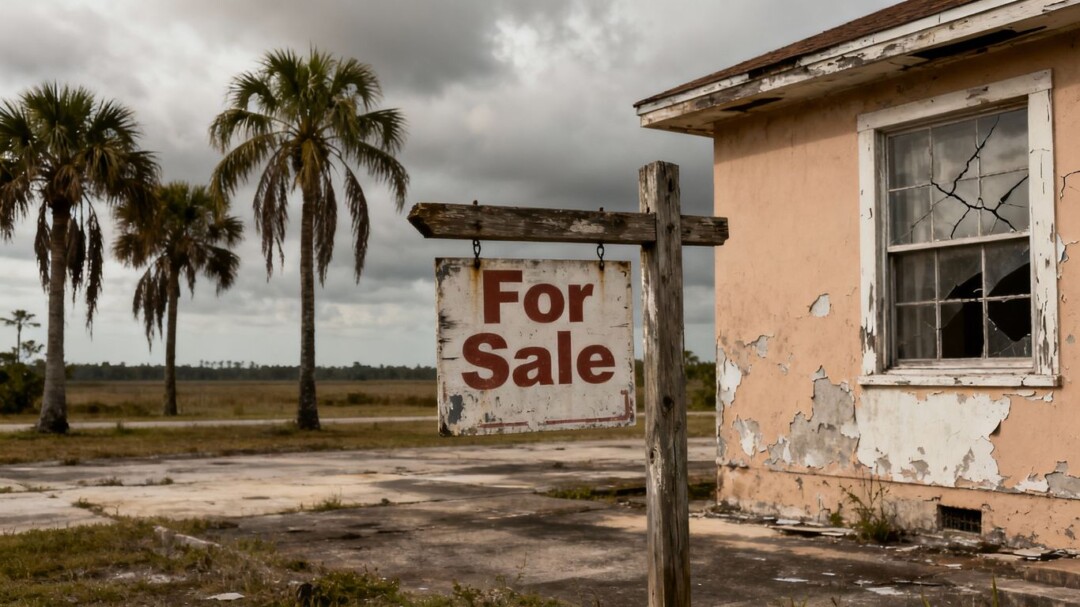
Florida’s once-booming real estate market is experiencing a notable downturn, with several key regions showing signs of significant weakness. This shift is characterized by declining home prices, longer selling times, and a cooling demand, prompting experts to analyze the causes and potential future implications for the state and the broader U.S. housing landscape.
Key Takeaways
- South Florida, particularly Miami, Fort Lauderdale, and West Palm Beach, is identified as the "epicenter of housing market weakness" in the U.S.
- Pending home sales in these South Florida areas have seen steep declines compared to the previous year.
- Homes are staying on the market significantly longer in Florida compared to the national average.
- Median home prices across Florida have fallen year-over-year, with some specific markets experiencing more pronounced drops.
- Factors contributing to the downturn include the fizzling out of the pandemic migration surge, increased housing costs, rising insurance premiums, and a shift towards a buyer’s market.
South Florida Leads the Downturn
Analysis of Redfin data reveals that South Florida is currently the epicenter of housing market weakness in the United States. In April, contract numbers for home purchases in Miami, Fort Lauderdale, and West Palm Beach saw the steepest declines among the nation’s largest metro areas. Miami experienced a 23% drop in pending sales, followed by Fort Lauderdale at 19% and West Palm Beach at 14%. Homes in these areas are also taking considerably longer to sell, with median times on the market exceeding 80 days, more than double the national average.
Factors Driving the Market Correction
Several factors are contributing to the cooling of Florida’s housing market. The significant influx of buyers during the pandemic, fueled by remote work and a desire for more affordable living, has subsided. Net domestic migration to Florida has decreased substantially compared to 2022 levels. Additionally, rising home insurance premiums, increased property taxes, and the lingering effects of natural disasters like Hurricane Ian in Southwest Florida have added to the financial burden for homeowners and investors. The surge in new construction, coupled with existing homes hitting the market, has led to increased inventory, shifting the market dynamics in favor of buyers.
Regional Price Declines and Market Shifts
Across Florida, median home sale prices have seen a year-over-year decrease. While single-family home prices are holding up slightly better than condo prices, many markets are experiencing declines. Areas like Punta Gorda, North Port, and Cape Coral have reported significant year-over-year drops in both condo and single-family home prices. Cape Coral, in particular, has been flagged for its market weakness, with falling prices, stagnant sales, and an increasing number of days on the market, leading some analysts to question its future stability.
Broader Implications and Future Outlook
While Florida is currently experiencing a pronounced market correction, experts caution that it’s unclear whether this weakness will spread to other parts of the country. The national housing market, while facing affordability challenges due to a persistent housing shortage, has not seen the same level of price depreciation as Florida. The long-term trend for U.S. home prices has remained upward over the past five years. However, the situation in Florida serves as a case study for the potential consequences of rapid market overheating followed by a period of deflation, influenced by a complex interplay of economic, environmental, and migration factors.
Sources
- This 1 part of Florida is
emerging as America’s ‘epicenter of housing weakness’ — expert warns of ‘really long’
bubble deflation. Will it spread to the rest of the US?, Moneywise. - Florida’s Housing Market ‘Turning Down Fast’, Newsweek.
- 5 reasons Florida’s housing market has weakened, ResiClub.
- Why is Cape Coral Housing Market in Florida Doomed to Crash in 2025?, Norada Real Estate Investments.
- South Florida now emerging as the ‘epicenter of housing weakness’ — but will it spread to the rest of the US?, AOL.com.