

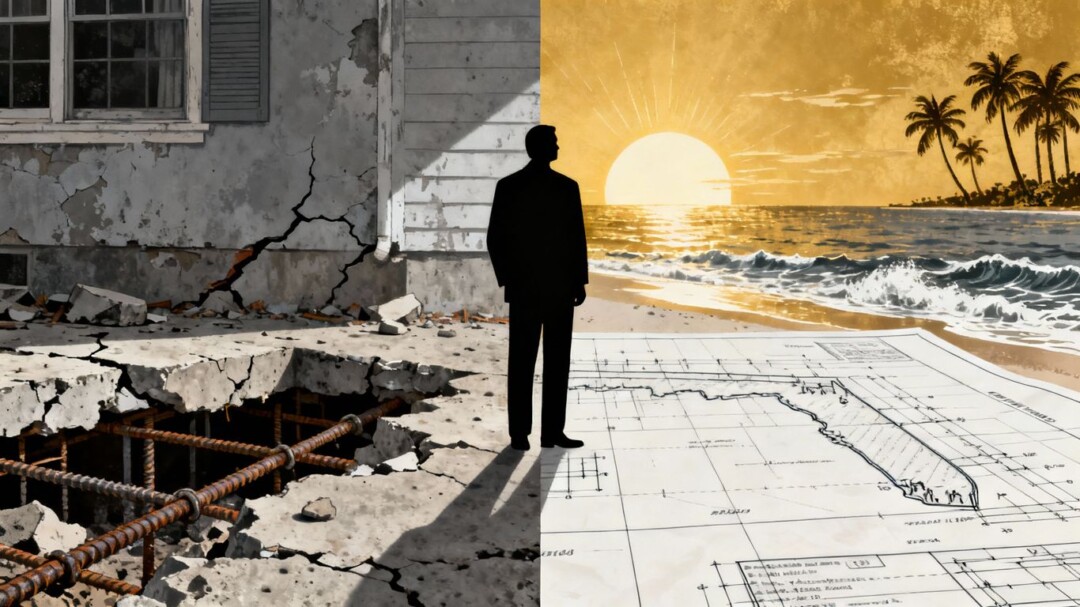
Governor Ron DeSantis is spearheading a significant proposal to eliminate property taxes for homestead properties in Florida, a move that has ignited a robust debate across the state. This initiative, alongside other housing policies, could dramatically reshape the Sunshine State’s real estate landscape, impacting everything from home prices to local government funding.
Key Takeaways
- Governor DeSantis proposes eliminating property taxes for homestead properties.
- The proposal aims to boost buyer purchasing power and potentially lower housing costs.
- Experts are divided on the long-term economic and social impacts.
- Concerns exist regarding the funding of essential local services and potential increases in home prices.
The Property Tax Elimination Proposal
Governor DeSantis’s most prominent proposal is the elimination of property taxes for homestead properties. This initiative stems from a significant increase in property tax revenue, which rose from $32 billion in 2019 to $56 billion in 2025. Proponents, like real estate broker Adam Bartomeo, argue that removing these taxes could increase a buyer’s purchasing power by approximately $40,000. Bartomeo believes this could counteract the current market challenges of rising taxes, insurance, and interest rates, which have led to price drops and increased inventory.
However, the proposal is not without its critics. Some homeowners, such as Mike Charleton, express concern that Florida may not need further incentives for people to move there. Charleton also emphasizes the importance of property taxes in funding essential services and calls for greater transparency regarding the governor’s motives.
Potential Impacts on the Housing Market
Experts are split on the ultimate effect of these proposals. A report from Realtor.com® suggests that eliminating property taxes could lead to a 7%-9% jump in home values, benefiting current homeowners but potentially increasing the cost of entry for prospective buyers. Landlords might pass on any new costs to tenants through higher rents. Senior Economist Joel Berner noted that such a measure could disproportionately benefit wealthy Floridians and make homeownership even more challenging for those who do not yet own property.
Economist Ken Johnson also warned that eliminating property taxes could lead to a budget crisis for the state, particularly during economic downturns, and could potentially drive down home prices if second homes are listed in large numbers.
Broader Housing Policy Considerations
Beyond property taxes, other legislative efforts are underway. Several bills introduced in the Florida legislature aim to lower property taxes, including exemptions for homeowners aged 65 and over from non-school homestead property taxes and increased exemptions for homesteads with property insurance. While some of these measures are slated for a public vote in November 2026, Governor DeSantis has expressed skepticism about placing multiple tax measures on the ballot simultaneously, viewing it as a potential political maneuver.
Nationally, housing reform continues to be a focus, with discussions around tax cuts, mortgage interest deductions, and affordability for first-time buyers. While some federal legislation aims to provide tax advantages for investors and developers, concerns remain about the lack of direct support for aspiring homeowners and the potential increase in national debt.
Sources
- Governor DeSantis’ tax proposal could reshape Florida’s housing market | State, WINK News – Southwest Florida.
- Housing Reform Removed From Defense Bill; Florida Governor Seeks End to Property Taxes
— RISMedia, RISMedia. - What does ‘One Big Beautiful Bill’ mean for Florida’s housing?, Sarasota Herald-Tribune.
- Experts Split on Impact of Florida Property Tax Proposal | Real Estate, Gulfshore Business.