

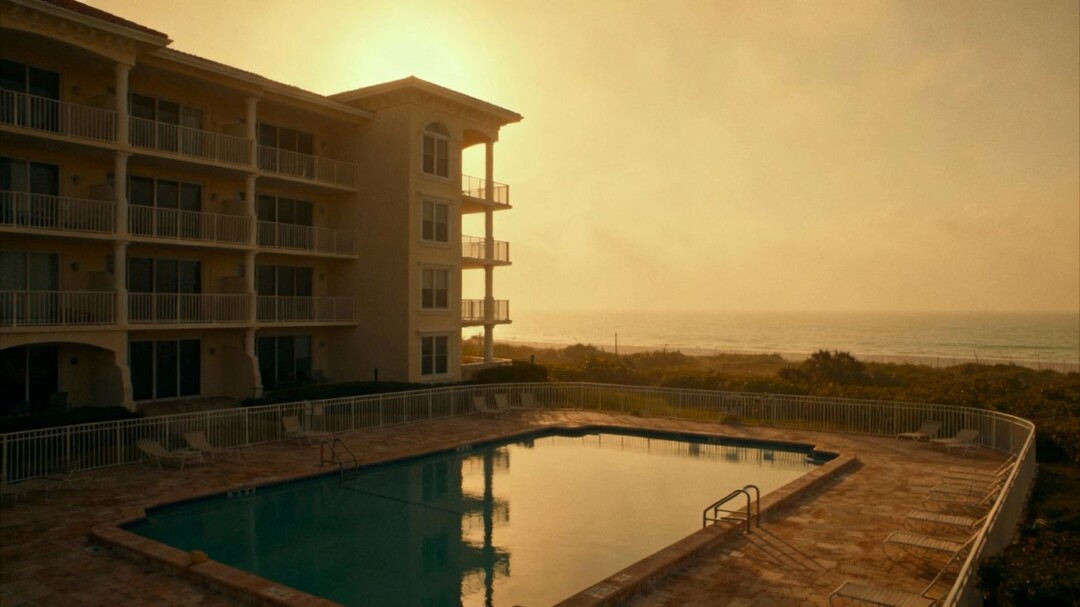
South Florida’s once-thriving condominium market is experiencing a significant downturn as foreign investment plummets to its lowest levels in over a decade. A confluence of economic pressures, including a strong U.S. dollar and elevated interest rates, coupled with post-Surfside regulatory changes and shifting political climates, are driving international buyers away from the Sunshine State.
Key Takeaways
- Sales to foreign nationals in South Florida have dropped to 10% of transactions, down from 50% in 2018.
- New regulations following the Surfside condo collapse are increasing costs and making many buildings unfinanceable.
- Rising insurance premiums and HOA fees are pushing affordability to the brink for both domestic and international buyers.
- Geopolitical tensions and restrictive immigration policies are further deterring foreign investment.
Foreign Buyers Retreat from a Once-Favored Market
For years, Florida’s condominium market was a magnet for global investors, attracted by favorable exchange rates and the perceived security of U.S. property rights. In 2018, international buyers constituted half of all condo sales in South Florida. However, this figure has dramatically shrunk to just 10% in the latest reporting period, according to the Miami Association of Realtors. Factors such as currency volatility, a robust U.S. dollar, and rising interest rates have diminished the appeal of parking capital in Florida real estate. Additionally, recent policy shifts, including stricter immigration laws and international tariff disputes, are cited as significant deterrents.
Post-Surfside Regulations Reshape the Landscape
The tragic collapse of the Champlain Towers South condominium in Surfside in 2021 prompted sweeping legislative reforms. New state laws mandate rigorous structural inspections and substantial reserve funding for condominiums. These regulations have rendered numerous older buildings ineligible for conventional mortgages, leading to a surge in their listing on Fannie Mae’s "unwarrantable" blacklist. Consequently, fewer than 25% of Florida’s condo associations currently meet the updated standards, creating a demand for non-qualified mortgage (non-QM) lending and complicating the financing process for buyers and lenders alike.
Insurance and HOA Dues Push Affordability to the Brink
Compounding the challenges are escalating insurance premiums and homeowner association (HOA) fees. Increased climate-related risks have led insurers to re-evaluate or withdraw from the Florida market, resulting in significantly higher costs for building coverage. Some condominium units now face monthly HOA fees that rival mortgage payments, making them unaffordable for many middle-class buyers and retirees. Buildings struggling to secure full insurance coverage face immense difficulty in attracting financing, particularly those constructed before 1990.
Market Correction or Long-Term Realignment?
Broader market data indicates a cooling trend across Florida’s housing sector, with condo and townhouse sales declining in early 2025. Active listings have increased, and a notable portion of homes are selling below their asking price. While some industry professionals view the current situation as a painful but necessary correction that will ultimately lead to safer buildings, the departure of foreign buyers and strained domestic affordability raise questions about the future demand for Florida’s properties.
Sources
- Florida’s property woes increase as foreigners abandon Sunshine State, MPA Mag.
- Foreign Buyers Step Back From South Florida Condos, The New York Times.