

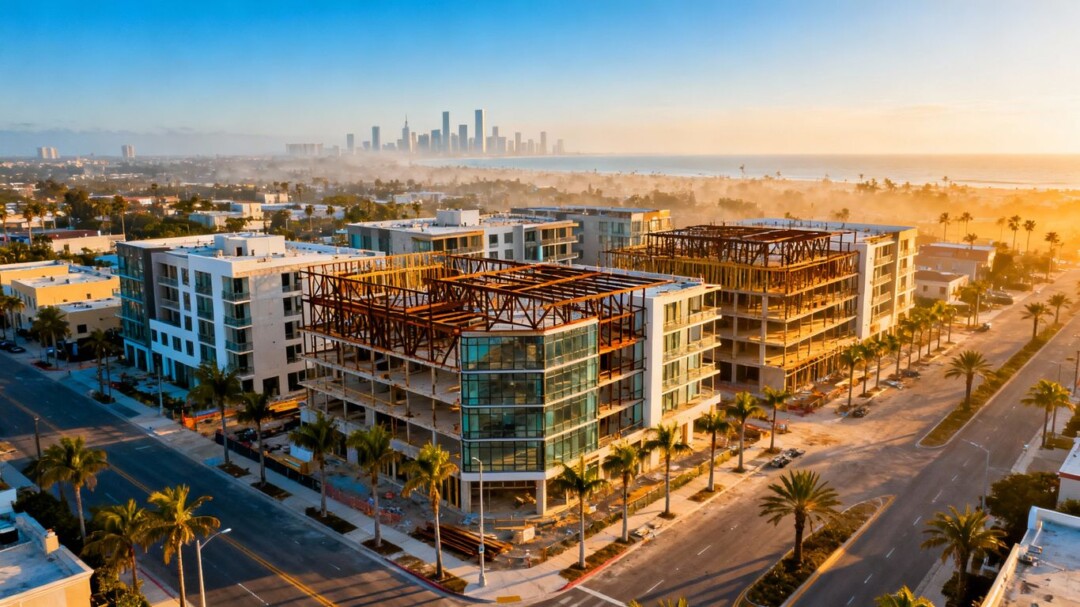
Florida is launching a multi-faceted response to its ongoing housing affordability crisis, combining aggressive legislative reform and innovative housing developments to increase access to attainable homes across the state. From legislative updates set to reshape zoning and funding, to modular homes and affordable new builds, the year 2026 marks a turning point in Florida’s housing landscape.
Key Takeaways
- New state bills aim to expand affordable housing options and limit local zoning barriers.
- Innovative modular and expandable home models debut to address affordability and disaster relief.
- Developers unveil high-quality, lower-cost homes under $250,000 in high-demand regions.
Lawmakers Push Sweeping Housing Reforms
Florida’s 2026 legislative session sees lawmakers intensify efforts to resolve housing affordability, particularly through updates to the Live Local Act and a suite of new bills focused on supply, zoning, and tax incentives.
Major initiatives on the table include:
- Live Local Act 4.0: Expanded to enforce workforce housing on public and school-district-owned sites and reduce local barriers to development.
- Starter Homes Act: Statewide standards for smaller, more attainable homes, permitting up to four units per lot in eligible zones.
- Accessory Dwelling Unit (ADU) Mandate: All local governments must allow ADUs in single-family zones, supporting infill and multi-generational living.
- Transit-Oriented Development: Incentives for dense, mixed-use housing near public transit, reducing reliance on cars and expanding housing choice in urban centers.
Additionally, funding for crucial programs like SHIP (State Housing Initiatives Partnership), SAIL (State Apartment Incentive Loan), and Hometown Heroes has been bolstered, with more support directed toward rural counties and vulnerable populations.
Modular Homes and Faster Disaster Recovery
New construction technology is playing a major role in the state’s strategy. West Palm Beach-based Mesocore Modular Homes is rolling out an expandable modular housing model, initially sized at 420 square feet but designed for future expansion. These units, deployable in as little as two weeks, offer a pathway for both affordable homeownership and rapid disaster recovery. Their energy-efficient, off-grid capabilities position them as an attractive option for both first-time buyers and emergency management, especially in hurricane-prone regions.
In Gainesville, thanks to relaxed development codes, Mesocore’s first subdivision of these homes is scheduled for completion by the end of 2026. Smaller minimum lot sizes make the homes more affordable and allow for denser neighborhoods—a crucial factor in cities with high demand from young adults and students.
Attainable Housing Models in High-Demand Areas
Developers are also responding with accessible options aimed at buyers priced out of the market. In Inverness, the Sabal Palm model offers new, solid-block homes with modern finishes, no HOA fees, and prices starting below $250,000. These homes are coupled with robust down payment assistance programs, opening the door for first-time buyers and working families who have struggled to find affordable new construction amid recent price surges.
The Road Ahead
Florida’s combined legislative and market initiatives may serve as a blueprint for other states grappling with housing shortages. By embracing zoning reform, innovative homebuilding, and strategic assistance for both urban and rural buyers, Florida aims to foster a more inclusive and resilient housing market. The 2026 measures will be closely watched as a test case for successfully scaling up affordability without sacrificing community needs or long-term stability.
Sources
- Florida-based modular builder launches expandable housing model, HousingWire.
- Momentum Real Estate proposes 195-unit Allapattah apartment complex, The Business Journals.
- Florida lawmakers muscle up on a raft of new housing reforms, HousingWire.
- New Homes in Inverness, FL Tackle 2026 Housing Crisis: Developer, The National Law Review.