

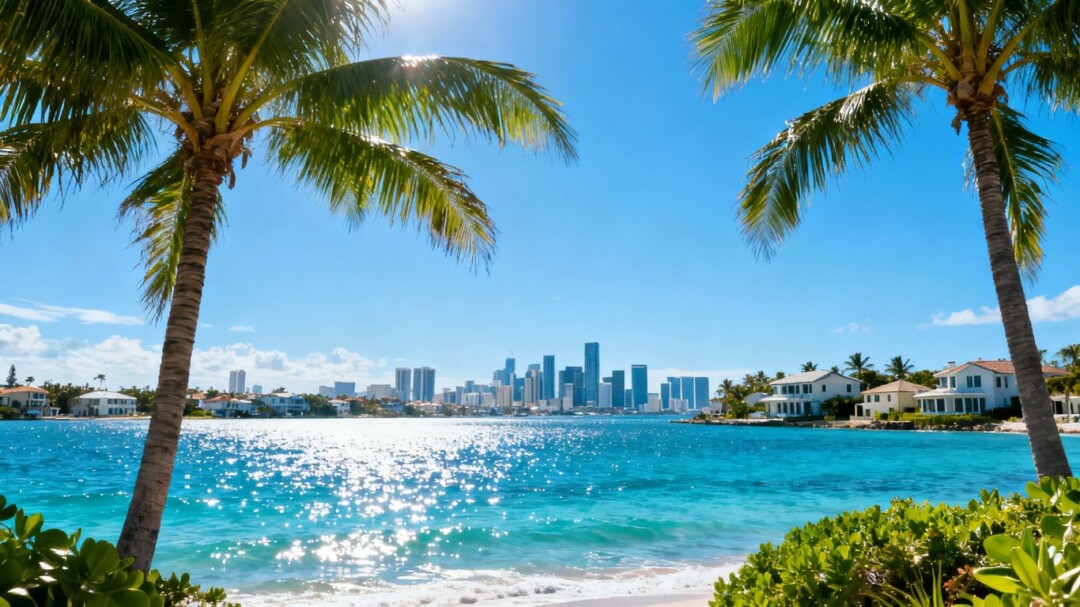
South Florida anticipates a continued influx of new residents in 2026, potentially mirroring the migration patterns seen during the COVID-19 pandemic, albeit at a more gradual pace. This trend is fueled by a desire for lower taxes, reduced living costs, and a more business-friendly environment, attracting individuals and businesses from states like New York, California, Illinois, and Massachusetts.
Key Takeaways
- The South Florida housing market is experiencing a resurgence, with rising sales and median prices, particularly in the Miami-Fort Lauderdale-West Palm Beach area.
- While the luxury market shows signs of being overbuilt, there’s a significant demand for affordable and workforce housing.
- Commercial real estate development is robust, especially in Palm Beach County, with a focus on attracting finance, tech, and wealth management firms.
- Broward County is working to expand its office space offerings, with projects like FAT Village aiming to boost capacity.
Housing Market Dynamics
The South Florida home sales market has shown resilience, with a notable increase in sales and median prices in late 2025. While condo prices have seen a slight dip, the overall trend indicates a strong demand. Developers like Stephen Ross are actively shaping the urban landscape with upscale residential and commercial projects, envisioning West Palm Beach as a rival to major metropolitan centers. However, a significant challenge remains the affordability of housing for mid- to lower-level employees, as many new constructions cater to the higher end of the market. Multi-family housing continues to be a strong segment, with developers aiming to meet the demand for workforce housing, though the pace of construction is a concern.
Employment Opportunities and Commercial Development
Palm Beach County is emerging as a hub for new office construction, driven by the relocation of financial and professional service firms, particularly from New York. Developers are planning substantial Class A office spaces, anticipating continued demand from finance, tech, and wealth management sectors. Broward County, while facing a current shortage of large office spaces, is seeing development in mixed-use complexes like FAT Village, which is expected to increase capacity. The industrial sector, especially in pharmaceuticals, remains a strength in Broward. Despite construction costs and interest rates potentially slowing new builds in 2026, leasing activity is expected to remain strong as existing spaces are filled.
Migration Trends and Future Outlook
Experts suggest that the migration to Florida will continue, though likely in smaller, more deliberate increments than the rapid influx seen during the pandemic. High-net-worth individuals, less constrained by family or work obligations, are expected to lead this movement. The appeal of Florida’s pro-growth and pro-business environment, contrasted with the higher costs of living and perceived political climates in other states, continues to draw new residents. While the immediate future of large-scale new construction might be tempered by economic factors, the overall outlook for South Florida’s real estate and employment markets remains positive, with a focus on quality of life and attracting diverse industries.