

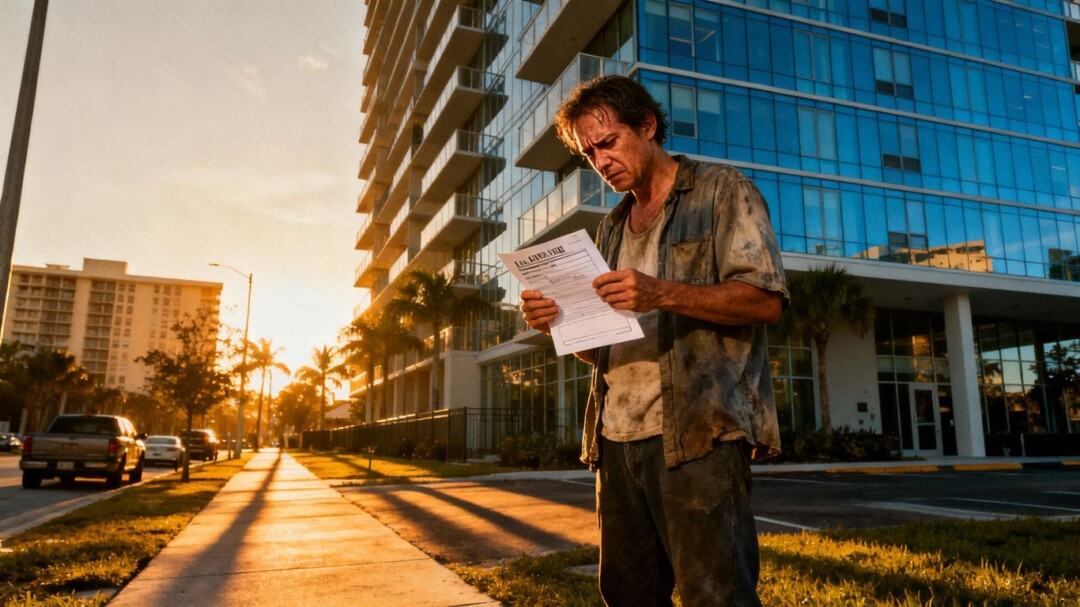
A new report from the University of Florida reveals a deepening housing affordability crisis for renters across Florida. Nearly 905,000 low-income households are struggling to afford rent, a situation exacerbated by rapid population growth and a limited housing supply. The study highlights significant rent increases and a growing gap between incomes and housing costs, impacting a wide range of residents.
Key Takeaways
- An estimated 904,635 renter households earning below 60% of their area median income are considered cost-burdened, spending over 40% of their income on rent.
- Florida’s median rent has surged by nearly $500 per month between 2019 and 2023, reaching $1,719.
- Renters aged 55 and older constitute a significant portion of cost-burdened households.
- Homelessness is on the rise, with both individuals and families experiencing housing instability.
The Growing Affordability Gap
The 2025 Statewide Rental Market Study, prepared for the Florida Housing Finance Corporation, paints a stark picture of the state’s rental market. The report indicates that a substantial number of Florida renters are finding it increasingly difficult to keep up with rising housing expenses. This challenge is particularly acute for low-income households, who are disproportionately affected by the escalating costs.
Population Boom Meets Housing Shortage
Florida has experienced a significant influx of new residents, adding over one million households between 2019 and 2023, with nearly 195,000 of these being renters. This surge in demand, coupled with the addition of over 240,000 multifamily units, has not been enough to curb rising rents. The median rent has climbed dramatically, creating a substantial affordability gap for many Floridians.
Impact on Different Demographics
The study highlights that the affordability crisis affects various segments of the renter population. While 79% of renter households have at least one employed adult, a growing number of seniors are also struggling. Renters aged 55 and older now represent 39% of cost-burdened households, a notable increase from previous years. Furthermore, the report indicates a rise in homelessness, with both individuals and families facing housing instability, partly due to the impacts of hurricanes and a tight housing market.
The Role of Assisted Housing
Developments funded by Florida Housing, HUD, USDA, and local housing finance authorities play a crucial role in providing more than 314,000 affordable rental units across the state. These programs offer a vital alternative to the high costs of the private rental market. However, a future risk looms as over 33,000 of these publicly assisted units may lose their affordability protections by 2034 unless measures are taken to renew them. Ensuring the preservation and expansion of these affordable housing options is deemed critical to accommodate Florida’s growing population and maintain housing affordability.
Sources
- Florida renters struggle with housing costs, new statewide report finds News, University of Florida.