

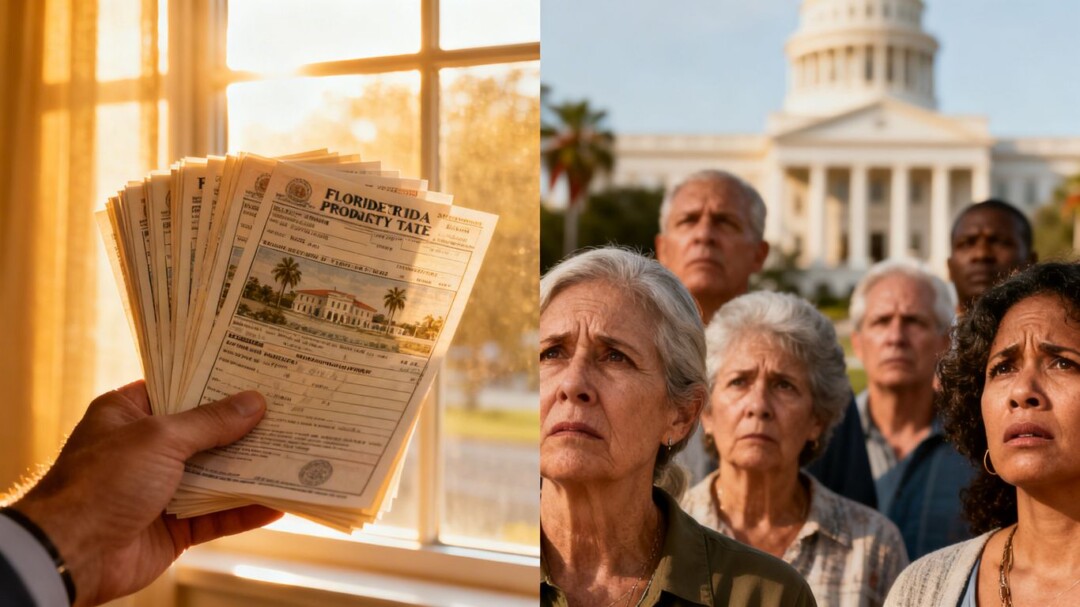
Florida lawmakers are advancing several bills aimed at providing property tax relief to homeowners struggling with rising costs. However, these proposals are sparking significant debate, with critics warning of potential budget shortfalls for local governments and impacts on public services. The measures, if passed by the legislature, would also require voter approval in the upcoming November election.
Key Takeaways
- Three bills propose different forms of property tax relief, including phasing out homestead taxes and increasing exemptions.
- Critics argue these "blanket solutions" could disproportionately affect lower-income residents and renters.
- Analysis suggests substantial annual budget gaps for counties if the bills become law.
- Voter approval is required for any of the proposed reforms to take effect.
Proposed Property Tax Reforms
Lawmakers are focusing on property tax relief following a period of intense insurance reform discussions. The current legislative push includes three main proposals:
- House Bill 203: This bill aims to phase out homestead property taxes over a decade, with the exception of school taxes.
- House Bill 209: This proposal seeks to increase the homestead exemption for homeowners who maintain property insurance.
- House Bill 213: This bill focuses on limiting the increase of property assessments.
Republicans champion these measures, citing revenue growth from local taxes in recent years and a desire to alleviate homeowner burdens. Conversely, Democrats express concerns that reducing property tax revenue could lead to cuts in essential services or necessitate increases in other taxes and fees.
Concerns Over Local Government Budgets
An analysis by the Florida Policy Institute highlights potential significant financial impacts on local governments. The study, using state data, estimates substantial annual revenue losses for various counties should these bills be enacted. For instance, under HB 203, Palm Beach County could face an annual loss of $1.28 billion, while Martin County might lose $161 million. Similarly, HB 209 could cost Palm Beach County $730 million annually, and HB 213 could impact it by $547 million each year. These figures underscore the potential strain on county budgets, which may need to find alternative revenue streams or reduce expenditures.
Esteban Santis of the Florida Policy Institute noted that the current proposals are "blanket solutions" that do not consider individual circumstances like income or whether a person rents or owns. He suggested that while immediate savings might appear attractive, maintaining essential services could require raising other taxes, such as sales tax, or increasing fees.
Sources
- Property tax relief bills could have these impacts on county budgets, WPTV.
- Florida property tax reform: A rush to disaster?, Tampa Bay Times.