

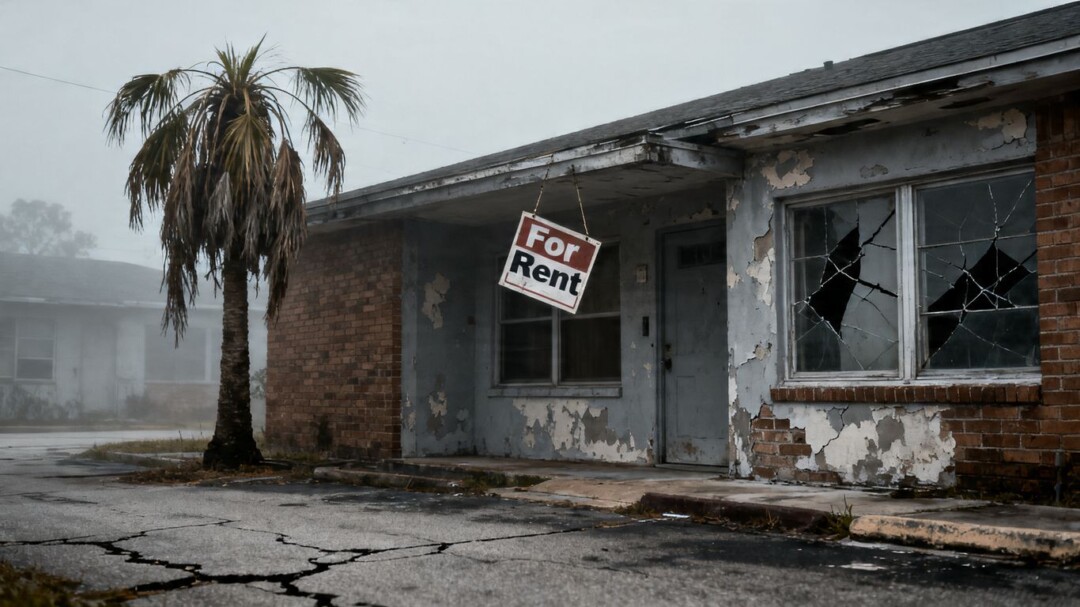
Florida has been identified as the worst state for renters in the nation, according to a recent study. This designation stems from a severe affordability crisis, where a significant portion of residents’ income is consumed by rent, despite a healthy supply of available apartments. The state’s lack of tenant protections further exacerbates the challenges faced by millions of Floridians.
Key Takeaways
- Florida ranks as the worst state for renters due to a combination of high housing costs and minimal tenant protections.
- Despite a high vacancy rate, the median rent in Florida is significantly above the national average, leaving residents cost-burdened.
- The state’s hands-off approach to rental regulations means no limits on lease application fees or rent increases, and no safeguards like just-cause eviction.
- While new construction has occurred, much of it is high-end, failing to address the demand for affordable and workforce housing.
- The Live Local Act aims to incentivize affordable housing, but its impact is still unfolding, and immediate relief measures are also being called for.
The Affordability Squeeze
A study by ConsumerAffairs has placed Florida at the bottom of its list for renters. The Sunshine State’s median monthly rent stands at $1,669, approximately 18% higher than the national median. This forces the typical Florida household to allocate 37.4% of its income to rent, making them the most cost-burdened renters nationwide. This situation persists even with a healthy apartment supply, as Florida boasts the sixth-highest vacancy rate in the U.S. at 7.6%.
Lack of Tenant Protections
Florida’s regulatory environment offers little in the way of tenant protections. Unlike many other states, Florida does not regulate rent increases or limit lease application fees. Furthermore, it lacks common safeguards such as just-cause eviction policies and rent-stabilized apartments. This absence of regulation leaves renters vulnerable to unpredictable rent hikes and landlord actions.
Oversupply of High-End Units
While the state has seen a surge in apartment construction, particularly in South Florida following a pandemic-era influx, the new supply is largely skewed towards luxury units. In 2024, a record 18,600 units were delivered, with 92% of those completed last year being high-end properties. This has led to an oversupply in the market, with landlords struggling to lease units, resulting in rent declines and increased concessions. However, this does little to alleviate the pressure on those seeking more affordable housing options.
Efforts to Address the Crisis
Florida has implemented initiatives like the Live Local Act, passed in 2023, designed to incentivize the construction of workforce and affordable housing. However, as of October, only 3,200 units had been completed under this legislation. State representatives are calling for immediate action alongside long-term strategies, emphasizing the need for rental assistance and legal aid for tenants facing housing discrimination. The state is also fast-tracking permitting for housing development, though its impact on renters remains to be seen.
Broader Impact and Future Outlook
The rental crunch is contributing to housing instability, with reports indicating a rise in homelessness among individuals and families. Additionally, over 33,000 publicly assisted affordable housing units are at risk of losing their affordability protections by 2034. The situation highlights a critical need for both preservation of existing affordable housing stock and the development of new units that cater to a wider range of income levels.
Sources
- Florida’s Apartment Market Worst Nationwide, Study Says, The Real Deal.
- Florida ranks worst state for renters as affordability crisis deepens, WCTV.
- Florida renters struggle with housing costs, new statewide report finds News, University of Florida.
- Report Shows Florida’s Rental Crunch, | Florida Realtors.