

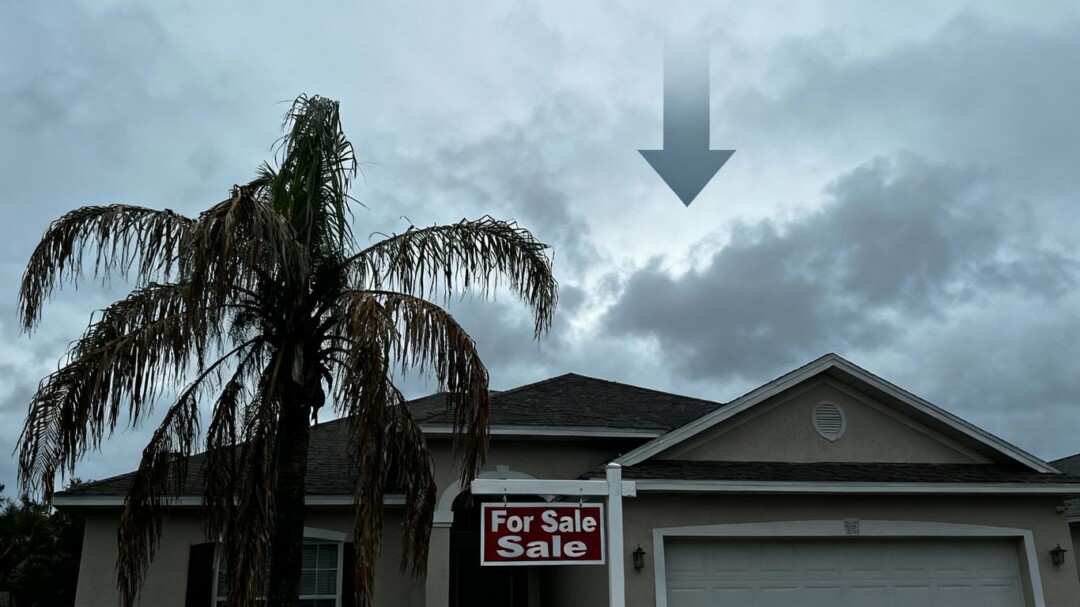
Florida’s once-booming housing market is showing signs of a significant cool-down, with forecasts predicting a drop in home prices by 2026. Several key markets across the state are experiencing price declines, and foreclosure rates are on the rise, particularly in areas like Tampa. Experts attribute these shifts to a combination of factors, including the aftermath of rapid pandemic-era growth, increasing insurance costs, and rising interest rates.
Key Takeaways
- Seven of the top 10 "coolest" housing markets in the U.S. are located in Florida, indicating a widespread cooling trend.
- Cities like Cape Coral, Naples, and Punta Gorda on the Gulf Coast are experiencing notable price drops.
- Tampa has emerged as a foreclosure epicenter, leading the nation in housing distress.
- Rising insurance premiums and other housing-related costs are significantly impacting homeowners, especially those on fixed incomes.
- While a full market "crash" is considered unlikely, a significant price correction is anticipated for 2026.
Florida’s Housing Market Cools
A new report from the real estate firm Cotality highlights that seven of the ten "coolest" housing markets in the United States are in Florida. This designation refers to markets experiencing the steepest home price declines. Cities on the Gulf Coast, such as Cape Coral, Naples, and Punta Gorda, are among those seeing notable price drops. For instance, Cape Coral has experienced a year-over-year price decline of 7.1%, and its median home sales price is over 13% lower than in August 2022.
Rising Foreclosures and Financial Strain
Tampa has become a focal point for rising foreclosure rates, leading the nation among major metropolitan areas in October. ATTOM Data reports that one in every 1,373 housing units in Tampa faced a foreclosure filing. Realtors note that many families who purchased homes during the 2020-2023 price surge are now finding they cannot sell without taking a financial loss, sometimes needing to bring thousands of dollars to the closing table to avoid a short sale. Economists point to escalating housing-related costs, including insurance premiums and mortgage interest, as major contributors to this financial distress, particularly affecting retirees and those on fixed incomes.
Market Correction Expected in 2026
While the term "crash" might be an overstatement, experts anticipate a significant market correction in 2026. Five Florida housing markets—Cape Coral, Fort Lauderdale, Lakeland, Palm Bay, and West Palm Beach—are being closely watched for potential price declines. This recalibration is seen as a natural adjustment after a period of rapid growth. Real estate professionals suggest that sellers may need to adjust their expectations and price their homes competitively to attract buyers in the current market.
Outlook for Buyers and Sellers
Despite the cooling trend, some experts believe that now could be a good time to buy, especially if realistic prices are offered. The potential elimination of property taxes in Florida could also boost home sales. For sellers, being realistic about current market conditions and pricing is crucial. The overall sentiment suggests a move towards a more balanced and healthier housing market in Florida, rather than a catastrophic collapse.
Sources
- Gulf Coast cities see slower housing market, Gulf Coast News and Weather.
- Multiple Florida Housing Markets Are on the Brink of a Crash in 2026, Norada Real Estate Investments.
- 2026 South Florida real estate predictions, South Florida Agent Magazine.
- Tampa becomes foreclosure epicenter as Florida tops nation in housing distress, FOX 13 Tampa Bay.