

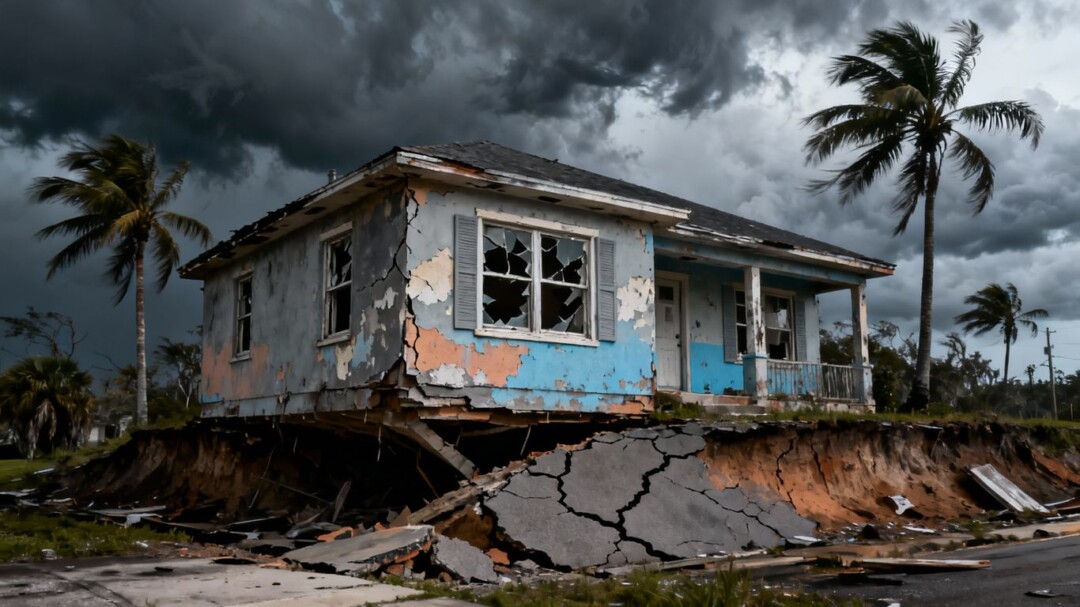
Florida’s once-booming housing market is showing signs of a significant slowdown, with some areas experiencing steeper declines than others. Experts warn of a prolonged "bubble deflation" rather than a sudden burst, driven by factors including rising interest rates, decreased foreign investment, and increased insurance costs. While a statewide crash akin to 2008 is deemed unlikely, a recalibration is underway, presenting both challenges and opportunities for buyers and sellers.
Key Takeaways
- South Florida, particularly Miami, Fort Lauderdale, and West Palm Beach, is identified as an "epicenter of housing weakness" with contracts to buy homes dropping significantly.
- Homes are staying on the market longer, and median sale prices across Florida have seen a year-over-year decrease.
- Certain metropolitan areas, including Naples, Punta Gorda, and Sebastian-Vero Beach, are experiencing more pronounced price and sales declines than benchmark areas like Cape Coral.
- Foreign buyer activity has plummeted to its lowest level in over a decade, impacting the condo market.
- New regulations following the Surfside condo collapse, coupled with rising insurance and HOA fees, are increasing costs and complexity.
- Despite concerns, some analysts see opportunities in the market correction, particularly in new construction and specific investment strategies.
South Florida Leads the Weakness
Analysis of Redfin data reveals that South Florida is currently the epicenter of housing market weakness in the United States. Pending home sales in Miami, Fort Lauderdale, and West Palm Beach saw the steepest declines among the 50 largest metro areas in April compared to the previous year. Homes in these areas are also taking significantly longer to sell, more than double the national average.
The median home sale price across Florida fell by 3.2% year-over-year in April. In the hardest-hit South Florida markets, a notable percentage of homes sold below asking price, a stark contrast to the national trend.
Specific Markets Feeling the Squeeze
While the statewide trend indicates a cooling market, some metropolitan areas are experiencing more significant adjustments than others. For instance, the Naples-Immokalee-Marco Island MSA saw a sharp 19.2% decrease in median sale price year-over-year in May 2025, with closed sales down 15.3%. Similarly, the Punta Gorda MSA experienced a 14.5% price drop, and the Sebastian-Vero Beach MSA saw a 10.2% decrease in median prices.
These localized downturns are attributed to various factors, including sensitivity in luxury markets, post-hurricane recovery dynamics, and prior aggressive price appreciation.
Foreign Investment and Regulatory Headwinds
Florida’s property market is also grappling with a significant retreat of foreign investors. Sales to foreign nationals have fallen to their lowest point in over a decade, with international buyers now accounting for only 10% of condo sales in South Florida, down from 50% in 2018. This decline is linked to currency volatility, rising interest rates, geopolitical tensions, and increasingly, restrictive immigration laws and tariff disputes.
Furthermore, new state regulations mandating structural inspections and reserve funding for condominiums, spurred by the Surfside tragedy, have made many older buildings ineligible for conventional mortgages. This, combined with escalating insurance premiums and homeowner association fees, is pushing affordability to its limits.
A Market in Transition, Not Collapse
Despite these challenges, many experts believe a full-blown market crash, similar to 2008, is unlikely for Florida by 2026. The state continues to attract domestic in-migration, providing a baseline of demand. While prices are easing, this is seen as a recalibration after a period of intense growth, leading to a more balanced market.
Some analysts even point to hidden opportunities, particularly in new construction designed for investors, offering durability and potentially higher rental income through strategies like renting by the room. However, potential buyers and sellers are advised to remain realistic, with buyers gaining more negotiating power and sellers needing to price their properties competitively. Factors like persistent insurance costs and potential economic slowdowns could further temper the market.
Sources
- This 1 part of Florida is
emerging as America’s ‘epicenter of housing weakness’ — expert warns of ‘really long’
bubble deflation. Will it spread to the rest of the US?, Moneywise. - 4 Florida Housing Markets Facing Worse Potential Crash Than Cape Coral, Norada Real Estate Investments.
- Florida’s property woes increase as foreigners abandon Sunshine State, MPA Mag.
- The Hidden Opportunity Amid Market Crash Concerns, Norada Real Estate Investments.
- Is the Florida Housing Market on the Edge of a Crash or Downturn?, Norada Real Estate Investments.