

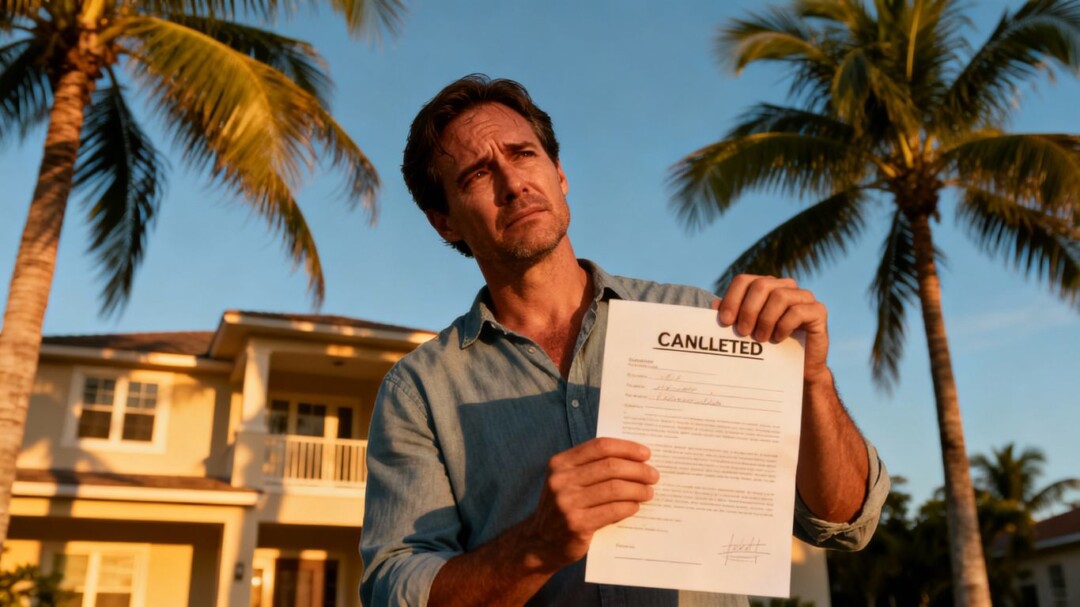
Prospective homebuyers in Florida are increasingly backing out of purchase agreements, a trend mirrored across the United States. This phenomenon is particularly pronounced in the Sunshine State, where a growing inventory of new homes and persistent economic anxieties are leading many buyers to reconsider their commitments. The rising cost of homeownership, driven by soaring insurance premiums and fluctuating interest rates, is also a significant factor contributing to this market shift.
Key Takeaways
- Nationally, 15.1% of home-purchase agreements were canceled in October, an increase from the previous year.
- Several Florida metropolitan areas, including Fort Lauderdale, Miami, Orlando, and Jacksonville, experienced higher cancellation rates in October compared to the same month in 2024.
- Rising insurance costs, increased home inventory, economic uncertainty, climate anxiety, and appraisal gaps are primary drivers of these cancellations.
- While some areas saw increases, West Palm Beach maintained its cancellation rate, and Tampa saw a decrease.
Florida’s Shifting Housing Market
Recent data reveals a notable uptick in canceled home-purchase agreements across Florida. In October, approximately 15.1% of homes that went under contract nationwide were canceled, a slight rise from 14.3% in October of the previous year. Florida and Texas are at the forefront of this trend, with a substantial number of newly constructed homes available, potentially leading buyers to believe they can secure better deals elsewhere.
Several major Florida metropolitan areas reported higher cancellation rates in October compared to the year prior. The Fort Lauderdale region saw 20% of pending sales fall out of contract, up from 17.5%. Miami experienced a rate of 17.6%, an increase from 16.6%. Orlando’s rate rose to 19.1% from 18.6%, and Jacksonville saw a slight increase to 19.2% from 18.9%. However, not all regions experienced this surge; West Palm Beach maintained its rate at 14.1%, and Tampa saw a decrease to 19.1% from 22.2%.
Factors Driving Buyer Hesitation
Multiple factors are contributing to this wave of buyer hesitancy. According to Dave Magua, a broker associate with The Keyes Company, six key drivers are at play:
- Soaring Insurance Costs: Florida homeowners face insurance premiums significantly above the national average, making long-term ownership costs unpredictable and potentially unaffordable. Buyers often discover these true costs only after signing a contract.
- Increased Home Inventory: A surge in available homes has diminished buyer urgency and shifted negotiating power to buyers, encouraging them to back away from deals in hopes of finding superior options.
- Seller Reluctance to Lower Prices: Many sellers prefer to remove their homes from the market rather than reduce prices, with South Florida leading the nation in delisted properties.
- Economic Uncertainty: Anxiety surrounding the economy, job security, and market direction fosters a "wait-and-see" attitude among potential buyers.
- Climate Anxiety: Concerns about hurricanes and other natural disasters are causing some buyers to reconsider purchasing in South Florida.
- Home Appraisal Gaps: Fluctuations in mortgage rates and interest rates can lead to appraisal gaps, forcing buyers to either cover the difference or withdraw from the purchase.
Magua also highlighted the impact of fluctuating interest rates on monthly payments, noting that even a small increase can push affordability beyond a buyer’s reach. The overall cost of living is a significant deterrent, with many potential buyers finding the figures "scary."
Home Price Trends
Median sale prices in some areas reflect these market dynamics. In Broward County, the median sale price for single-family homes decreased from $620,000 in July to $611,250 in October. Townhomes and condos also saw a slight dip from $265,000 to $259,000. Conversely, Palm Beach County experienced an increase in median sale prices for single-family homes, rising from $613,250 in July to $643,000 in October, with townhomes and condos also increasing from $300,500 to $315,000.
Magua predicts a stagnant market for the first three months of 2026, characterizing the current situation as a "market correction."
Sources
- More homebuying cancellations seen in many parts of Florida, Sun Sentinel.