

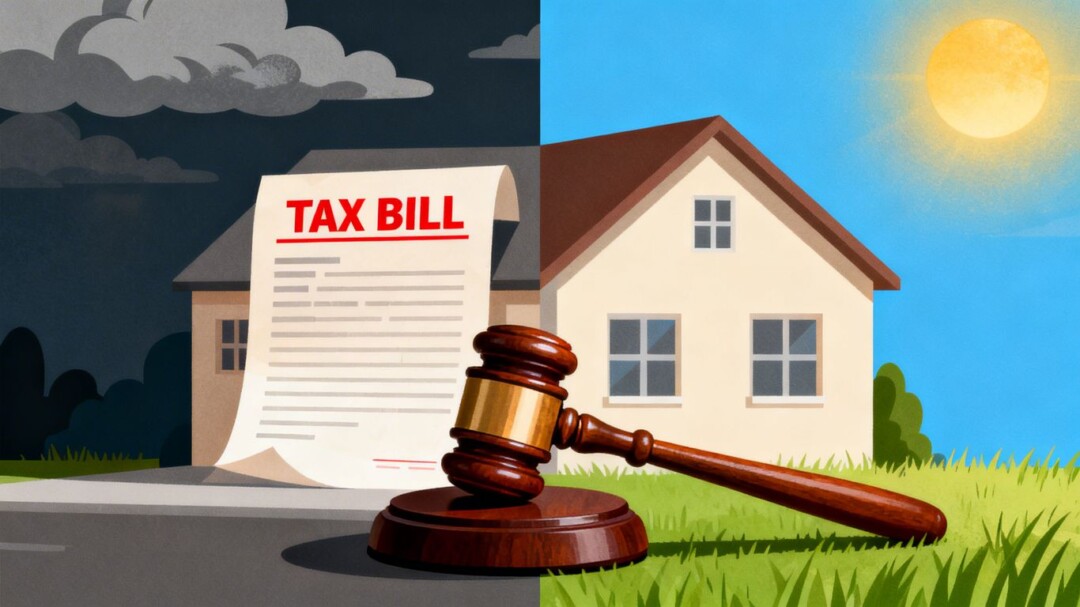
Florida is on the cusp of a significant tax overhaul, with lawmakers considering a proposal to eliminate property taxes for primary homeowners. This ambitious initiative, championed by Governor Ron DeSantis and the State House, aims to provide substantial financial relief to residents. However, the potential elimination of this key local funding source has ignited a vigorous debate about how essential public services will be funded moving forward.
Key Takeaways
- A proposal to eliminate city and county property taxes on homesteaded properties has passed the Florida House and is heading to the Senate.
- If approved by voters in November 2026, the measure would phase out these taxes starting January 1, 2027.
- Potential funding replacements include increased sales taxes, expanded taxable goods and services, or reduced local spending.
- Critics warn of significant budget gaps for local governments, potentially impacting public safety and infrastructure.
The Push for Property Tax Relief
Governor Ron DeSantis has long advocated for reducing the property tax burden on Floridians, aligning with the state’s identity as an income-tax-free haven. The current proposal, House Joint Resolution 203, seeks to allow voters to decide on a constitutional amendment that would eliminate the non-school portion of property taxes for those who qualify for the homestead exemption. This could lead to significant savings for homeowners, potentially halving their annual tax bills.
State House Republicans have shown strong support for the initiative, with some expressing disappointment that the Senate has not yet matched their enthusiasm. A special legislative session in April may be crucial in determining the fate of the property tax bill, as it needs to pass by May to be placed on the November ballot.
Funding the Future: Alternative Revenue Streams
The elimination of property taxes would create a substantial funding gap for local governments, which rely on this revenue to fund essential services such as police and fire departments, road maintenance, schools, and infrastructure. Experts and lawmakers are exploring various alternatives to fill this void:
- Increased Sales Tax: A statewide sales tax increase, potentially pushing rates above 7% in some counties, is a primary consideration.
- Expanded Taxable Goods and Services: Broadening the scope of items subject to sales tax, which currently excludes many necessities and services, could generate additional revenue.
- Reduced Local Spending: Local governments might be forced to cut back on services, impacting everything from public safety staffing to park maintenance and library hours.
- Shifting Funding to State Budget: Some of the financial responsibility could be transferred to the state’s general budget.
Concerns and Potential Impacts
Opponents of the proposal raise serious concerns about the potential consequences of eliminating property taxes. State Representative Rita Harris has voiced fears that the move could lead to the "defunding" of essential services like police, fire departments, and waste management. Economists estimate that local governments could face an annual deficit of around $14.8 billion.
While the bill includes a provision to guarantee funding for police departments at current levels, critics argue that the overall impact on service quality and infrastructure maintenance remains a significant risk. There is also a concern that the savings for homeowners might be offset by increased costs in other areas, such as higher sales taxes or fees, leading to a mere restructuring of expenses rather than true net relief.
The Road Ahead
For the proposal to become reality, it must first pass the Florida Senate and then gain approval from at least 60% of voters in the November 2026 election. The outcome of this legislative push will significantly reshape Florida’s tax landscape and the funding of its local communities.