

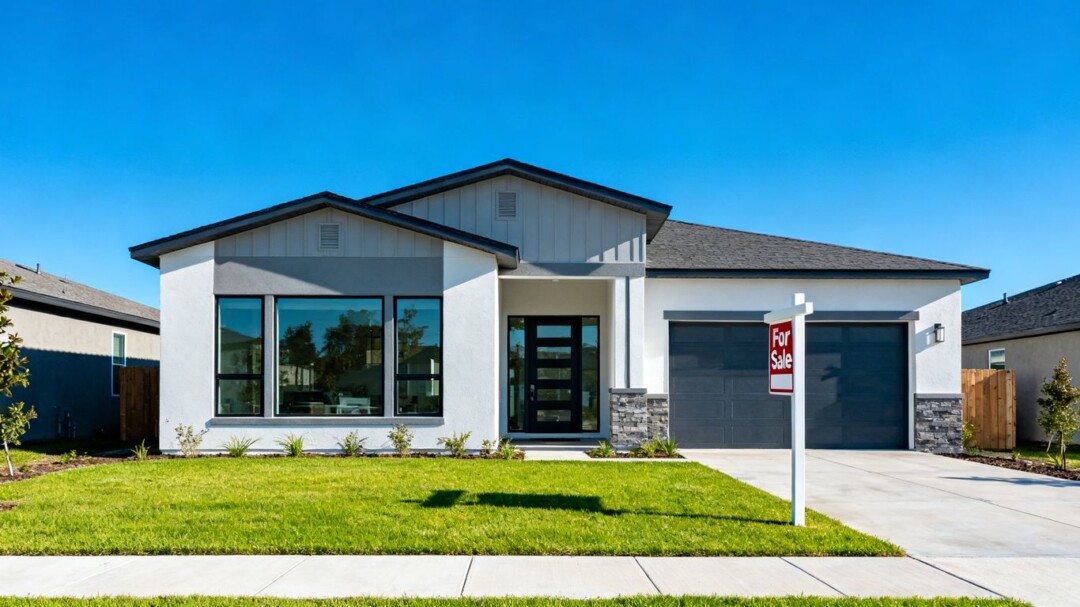
U.S. new-home sales exceeded economists’ expectations, pointing to continued resilience in the housing market despite elevated borrowing costs and affordability pressures. The stronger-than-anticipated result suggests that buyers remain active and that builders may be benefiting from limited existing-home inventory, although the outlook still depends heavily on mortgage rates and consumer confidence.
Key takeaways
- U.S. new-home sales beat market estimates.
- The result highlights ongoing demand for newly built properties.
- Limited existing-home supply may be directing more buyers toward builders.
- High mortgage rates and affordability concerns remain important risks.
The report provides a positive signal for the residential construction sector. New-home sales are closely watched because they reflect both buyer demand and builder activity, while also contributing to future construction, materials purchases and employment.
Why the result matters
A stronger sales reading can indicate that prospective buyers are adapting to a challenging interest-rate environment. Some households may be choosing new homes because they offer modern features, energy efficiency and financing incentives that are not always available when purchasing an existing property.
Builders have also gained an advantage from the shortage of previously owned homes on the market. Homeowners who locked in very low mortgage rates during earlier years may be reluctant to sell, limiting supply and giving new construction a larger role in the housing market.
Rate and affordability pressures remain
The better-than-expected performance does not eliminate the broader challenges facing buyers. Mortgage payments remain elevated compared with recent years, while home prices, insurance costs, taxes and limited availability of affordable properties continue to weigh on purchasing power.
For that reason, future sales may be uneven. A sustained rise in borrowing costs could discourage marginal buyers, while any decline in mortgage rates could unlock additional demand. Builder incentives, including mortgage-rate buydowns, may also influence how long sales momentum lasts.
Implications for builders and the economy
The report is encouraging for homebuilders, construction suppliers and related industries. Stronger sales can support new projects and improve revenue expectations, but builders must balance demand against labor expenses, land costs and inventory management.
Housing activity also matters to the wider economy. New construction generates spending on building materials, appliances, furnishings and professional services. However, a single monthly result is not enough to establish a trend. Investors and policymakers will likely focus on upcoming sales reports, mortgage-rate movements and measures of buyer confidence to determine whether the improvement is sustainable.