

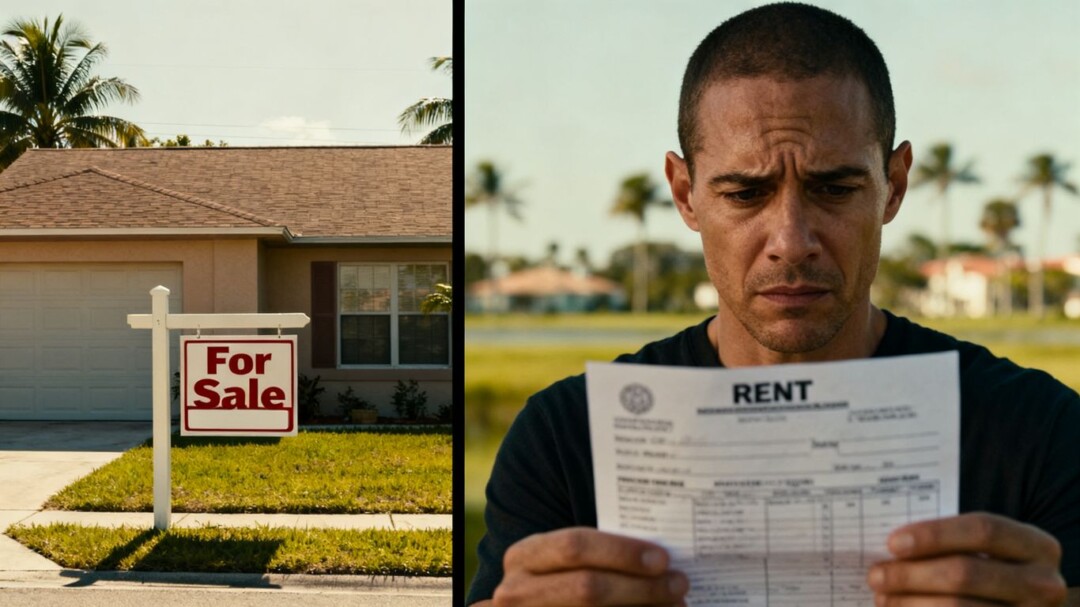
Florida’s proposed property tax cuts, aimed at providing relief to homeowners, are raising concerns among policy groups and real estate experts who warn of potential negative impacts on the rental market. The changes, set to be voted on by the public, could lead to increased rents for tenants as local governments seek to offset revenue losses.
Key Takeaways
- Proposed property tax cuts could lead to higher rents for Florida residents.
- Local governments may increase taxes on non-homestead properties, including rentals, to compensate for lost revenue.
- This could disproportionately affect low-income renters who are already cost-burdened.
- Experts suggest these changes could create a "zero-sum game" where costs are shifted rather than eliminated.
Potential Rent Increases
Experts like Ken Johnson, a professor of finance at the University of Mississippi, suggest that if voters approve the property tax cuts, local governments might raise tax rates on non-homesteaded properties, which include rental units. This increased cost for landlords could then be passed on to renters in the form of higher rents, exacerbating existing housing affordability issues.
Kelly Powell, CEO of Community Partners of South Florida, highlighted that many renters are already struggling with high housing costs. A 2025 University of Florida study indicated that over 900,000 renters in Florida were considered low-income and cost-burdened. Powell expressed concern that the tax cuts, while beneficial to homeowners, could have a ripple effect, leading to increased rents and reduced funding for affordable housing programs.
Impact on Local Governments and Services
The proposed measure, if passed, could result in significant revenue losses for cities, counties, and special taxing districts. State economists project losses of nearly $5 billion in the first year and $12 billion by the fifth year. To bridge this gap, local governments may be forced to cut essential services or find alternative revenue streams, potentially through increased taxes and fees on non-homestead properties.
Jeff Scala, deputy policy director with the Florida Association of Counties, stated that non-homestead properties encompass not only rental units but also commercial properties and small businesses. This means that renters and business owners could face higher costs without directly benefiting from the homestead exemption.
Concerns Over Unintended Consequences
The Florida Apartment Association, representing a significant portion of the state’s rental housing market, acknowledged that property taxes are a major operating expense. While appreciating some protections for non-homesteaded properties within the proposal, the association remains concerned about local governments shifting the revenue burden. They urge policymakers to consider the potential unintended consequences for renters and housing providers, which could further strain housing affordability.
Aubrey Jewett, a political scientist at the University of Central Florida, explained this as basic economics: "If costs go up, somebody has to pay for them." He noted that landlords are unlikely to absorb these increased expenses, as the rental housing industry operates as a business that needs to cover costs and make a profit.
A Shift in Tax Burden
Critics argue that the proposed tax cuts could essentially become a tax shift, with the burden moving from homeowners to renters and commercial property owners. Some fear that local governments might resort to new fees for services like parks or libraries to compensate for lost property tax revenue, disproportionately affecting lower-income residents. The Miami Herald Editorial Board suggested that instead of handicapping local governments, lawmakers should explore tax breaks or incentives for first-time homebuyers to address housing costs more effectively.