

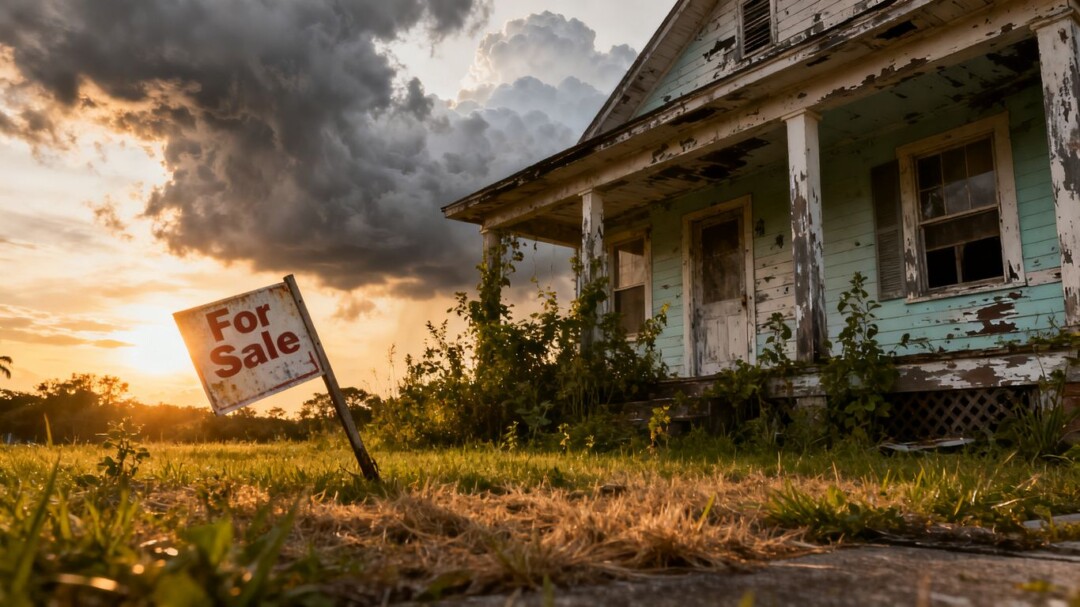
Florida is currently leading the nation in foreclosure rates, a concerning trend driven by a confluence of factors including elevated mortgage rates, escalating ownership costs, and persistent affordability challenges. While national foreclosure filings have seen a slight monthly decrease, they remain significantly higher year-over-year, with Florida bearing the brunt of this downturn.
Key Takeaways
- Florida holds the highest foreclosure rate in the U.S., with one in every 2,110 housing units facing foreclosure.
- Rising property taxes and insurance premiums, exacerbated by climate-related events, are major contributors to financial strain on homeowners.
- The state’s housing market is identified as one of the riskiest for potential price declines.
- Affordability remains a significant hurdle nationwide, with many counties requiring over 30% of income for home expenses.
Foreclosure Hotspots and Contributing Factors
According to ATTOM data, Florida’s foreclosure rate stands at 1 in 2,110 housing units, significantly higher than the national average of 1 in 3,562. This trend is mirrored in major Florida cities like Tampa and Orlando, which also reported high foreclosure rates. While some larger cities are experiencing a slowdown in foreclosures, Florida’s overall numbers paint a grim picture.
Experts point to a combination of factors fueling this crisis. Property taxes have seen dramatic increases, and insurance premiums have surged due to climate-related disasters. Many homeowners, particularly those who purchased new construction during the pandemic, benefited from temporary mortgage rate buydowns. As these introductory rates expire and reset to current market levels, homeowners are facing significantly higher monthly payments, straining their budgets.
Broader Market Risks and Affordability Concerns
Beyond foreclosures, Florida’s housing market is flagged as the riskiest in the nation for potential price declines. ATTOM’s analysis identified 12 Florida counties among the 50 highest-risk markets, with Charlotte County topping the list. This risk is assessed based on factors like affordability relative to local incomes, the prevalence of underwater mortgages, foreclosure rates, and county unemployment figures.
Nationally, the average homebuyer dedicates 30% of their income to housing expenses. However, in some areas, this figure climbs dramatically, making homeownership unattainable for many. This affordability crisis is compounded by rising insurance costs, which are repricing life in the Sunshine State and could lead to a downward financial spiral if not addressed.
The Insurance Dilemma
Soaring property insurance rates are a critical issue in Florida, driven by increased hurricane activity and associated damages. This has led to insurers becoming more selective, often dropping coverage or demanding costly upgrades like new roofs. Without adequate insurance, obtaining or maintaining a mortgage becomes difficult, potentially leading to falling home prices and a contraction of the real estate market.
The situation is creating a divide, with wealthier individuals and neighborhoods able to afford mitigation measures and higher insurance premiums, while others are left vulnerable. This "splintering protectionism" exacerbates existing economic and racial inequalities within housing markets. Experts suggest that a more integrated approach, linking insurance with resilience measures and potentially public insurance options, is needed to address the complex challenges facing Florida’s housing market.