

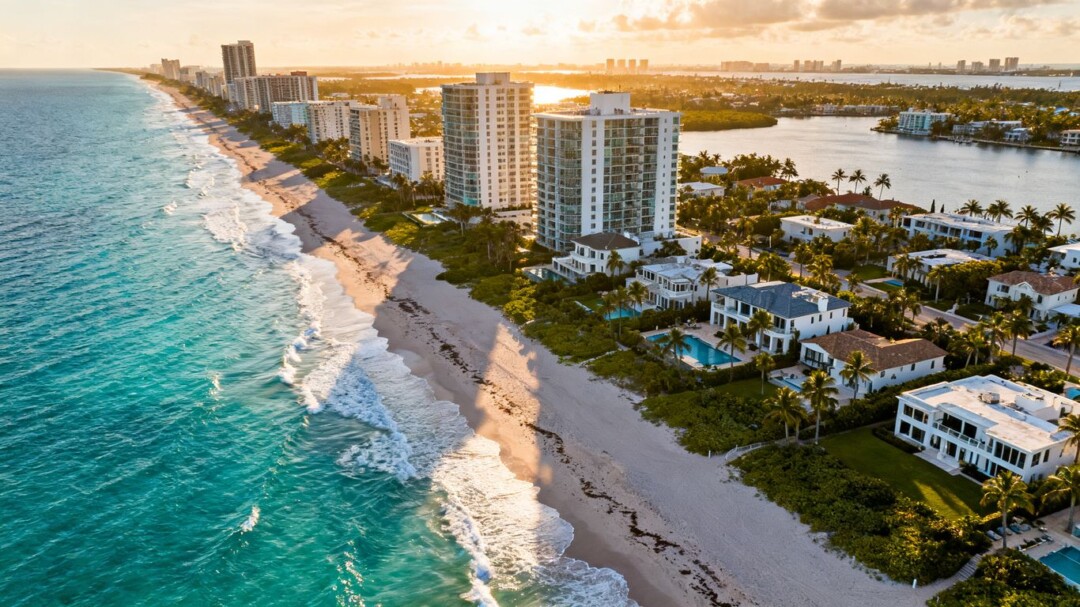
The Bal Harbour and Surfside real estate markets in Q1 2026 present a complex, segmented landscape. While ultra-luxury properties continue to set new benchmarks, the broader market shows distinct layers of value and buyer behavior. Understanding these nuances is crucial for both prospective buyers and sellers navigating this exclusive coastal corridor.
Key Takeaways
- The market is highly segmented, with ultra-luxury properties commanding top prices and older inventory trading at a fraction.
- Pricing growth is concentrated at the high end, driven by design, branding, and global demand.
- Inventory appears ample but is concentrated in older buildings, with limited availability of truly desirable units.
- Transaction velocity is conditional, favoring well-positioned, turnkey properties.
- Market psychology is a hybrid, with seller overconfidence in some segments and buyer analysis in others.
A Layered Market Structure
Bal Harbour and Surfside function as parallel markets rather than a single entity. The top tier is defined by ultra-luxury, design-forward residences like those at Surf Club Four Seasons, attracting global capital insensitive to short-term fluctuations. Below this, the $10 million+ segment is a core luxury tier where pricing is strong but highly analytical buyers scrutinize value. The majority of transactions (around 70%) occur in older buildings from the 1970s, which transact quietly and compete primarily on value.
Pricing Dynamics: The Ceiling Rises, But Not Uniformly
Record-setting sales, such as a penthouse at nearly $8,000 per square foot, have redefined the market’s ceiling. However, this appreciation is not uniform. Ultra-prime assets with exceptional design and views continue to command significant premiums, often driven by buyers relocating for lifestyle and tax benefits. In contrast, older buildings trading below $1,000 per square foot show that a rising ceiling does not lift all boats, widening the gap between best-in-class and legacy inventory.
Supply and Transaction Velocity
While inventory metrics suggest ample supply (around 12 months), a significant portion resides in older buildings requiring renovation. A "shadow inventory" also exists, particularly in high-end buildings. This means that while choice may seem broad, specific desired layouts and quality standards are more limited. Transaction velocity is conditional: well-positioned, turnkey properties in newer or renovated buildings can sell quickly, sometimes within weeks. Older or less updated units, however, tend to linger due to a mismatch between pricing expectations and perceived value.
Market Psychology and Opportunity
The market exhibits a psychological divide, with sellers often overconfident and buyers more analytical. This creates a hybrid cycle where some buildings feel like a seller’s market and others a buyer’s market. Relocating, cash-driven purchasers focused on long-term lifestyle are dominant. Established luxury buildings like Oceana Bal Harbour and St. Regis Bal Harbour offer a compelling balance of lifestyle and value, with expansive floor plans and full-service amenities at more accessible price points than the newest ultra-prime developments. Bay Harbor Islands is also emerging as a boutique alternative with design-forward projects and relative value.
Conclusion
Bal Harbour and Surfside in Q1 2026 are characterized by segmentation and nuance. Success hinges on precision, relationships, and strategic positioning rather than broad assumptions. For informed buyers and sellers, opportunities exist within this dynamic luxury market.