

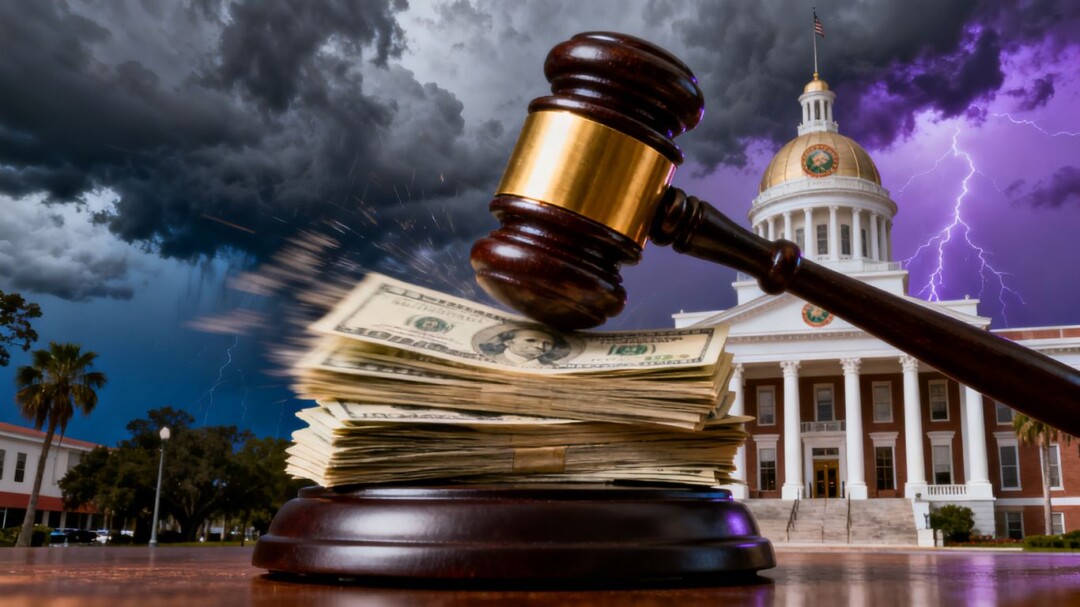
Florida is on the brink of another special legislative session as Governor Ron DeSantis pushes for property tax cuts to be placed on the November ballot. Lawmakers are divided on the best approach, with the House favoring elimination of non-school property taxes on homesteads and the Senate expressing caution due to potential impacts on local government funding. Democrats criticize the focus on property taxes while other affordability issues remain unaddressed.
Key Takeaways
- Governor DeSantis is advocating for property tax cuts and may call a special session if a deal isn’t reached.
- The House has proposed eliminating non-school property taxes on homesteads, but the Senate has not advanced similar legislation.
- Concerns exist about the financial impact on local governments and the potential need for state-backed revenue replacement.
- Democrats argue that other affordability issues like insurance, rent, and utilities should be prioritized.
- Voter approval requires a 60% majority for any constitutional amendment related to property taxes.
The Push for Property Tax Relief
Governor DeSantis has made property tax relief a top priority, urging lawmakers to act swiftly to get a constitutional amendment on the November ballot. He has indicated a willingness to call multiple special sessions until an agreement is reached. The deadline for legislative approval of ballot language is August.
Legislative Stalemate and Differing Approaches
The regular legislative session concluded without a property tax agreement. The House passed a bill to eliminate non-school property taxes on primary residences, but the Senate did not take it up. House Speaker Daniel Perez has stated his chamber is open to proposals but awaits a specific plan from the governor. Senate leaders, however, have expressed caution, citing the diverse financial needs of Florida’s 67 counties and the potential for significant revenue shortfalls for local governments. Senate President Ben Albritton has suggested the state might need to backfill lost revenue for smaller or poorer counties, a concept the House has resisted.
Concerns and Criticisms
Democrats have voiced criticism, arguing that the focus on property taxes distracts from more pressing affordability issues such as rising insurance costs, rent, and utilities. They also warn that significant property tax reductions could force local governments to cut essential services or increase other taxes and fees. Polling suggests that a major property tax cut might not meet the 60% threshold for voter approval, especially if voters are informed about potential impacts on local services.
Potential Impact on the Housing Market
Any reduction in property taxes could influence the housing market. Real estate agents suggest that lower property taxes could enable buyers to afford more expensive homes or allocate more funds towards renovations and principal payments. While this could benefit sellers and potentially increase property values, the overall impact depends on the specifics of any enacted legislation and voter approval.
The Path Forward
With the November election approaching, the pressure is mounting for a resolution. The governor’s office has indicated that a consolidated bill is the preferred approach. However, the lack of a concrete proposal from the governor and the differing stances between the House and Senate create uncertainty. The state’s budget also needs to be finalized, adding another layer of complexity to the legislative agenda.
Sources
- Fla. property tax fight could trigger third special session, WPTV.
- Florida property tax issue continues to divide, Florida Today.
- Florida property tax cut proposals, Pensacola News Journal.
- Where is DeSantis’ Florida property tax proposal?, Miami Herald.
- Property tax relief in Florida could impact housing market, Spectrum News 13.