

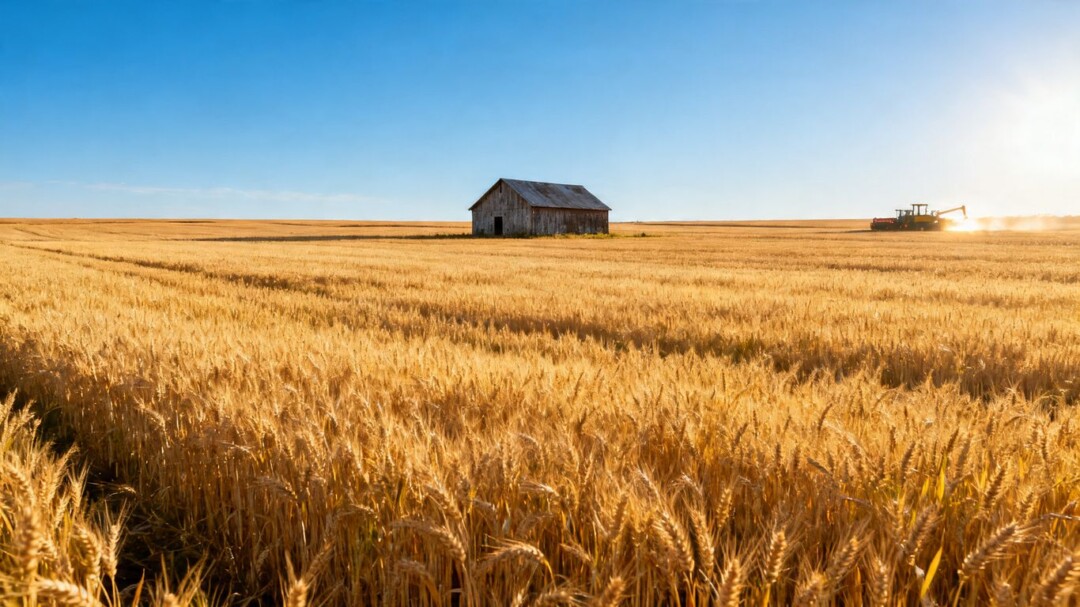
A recent analysis has revealed the individuals and entities holding the largest tracts of land across the United States. These vast holdings, often concentrated in agricultural and ranching operations, paint a picture of significant private land ownership and its economic impact. The data highlights a landscape where a select few control immense rural territories, shaping industries and influencing land use across the nation.
Key Takeaways
- The top landowners are primarily involved in agriculture, timber, and ranching.
- A significant portion of the largest landholdings are family-owned businesses passed down through generations.
- The concentration of land ownership raises discussions about land use, conservation, and economic influence.
The Giants of Land Ownership
The United States boasts a diverse array of landowners, but a select group commands truly colossal estates. These individuals and families are not just accumulating property; they are stewards of vast ecosystems and significant players in key American industries. Their landholdings often span multiple states and encompass diverse terrains, from fertile farmlands to expansive forests and ranches.
Who Are the Top Landowners?
While the exact rankings can fluctuate based on new acquisitions and sales, certain names consistently appear at the top of lists detailing America’s biggest landowners. These include:
- The Cable Family: Known for their extensive timberland holdings, particularly in the Southeast.
- The Emmerson Family: Another major player in the timber industry, with vast forests across the country.
- Stan Kroenke: A prominent businessman and sports team owner with significant agricultural and ranching interests.
- Ted Turner: The media mogul who has long been recognized for his large cattle ranches.
These individuals and families often manage their land for long-term sustainability, focusing on resource management, conservation efforts, and agricultural productivity. Their operations contribute significantly to local economies and the broader agricultural and timber sectors.
The Significance of Large Landholdings
The concentration of land ownership among a few entities has several implications. It influences agricultural markets, timber supply chains, and even conservation strategies. These large landowners often play a crucial role in preserving natural habitats and implementing sustainable land management practices. However, it also sparks conversations about land access, rural development, and the distribution of wealth and resources within the country.
The ongoing management and development of these vast estates continue to shape the American landscape, underscoring the enduring importance of private land ownership in the nation’s economy and environment.