

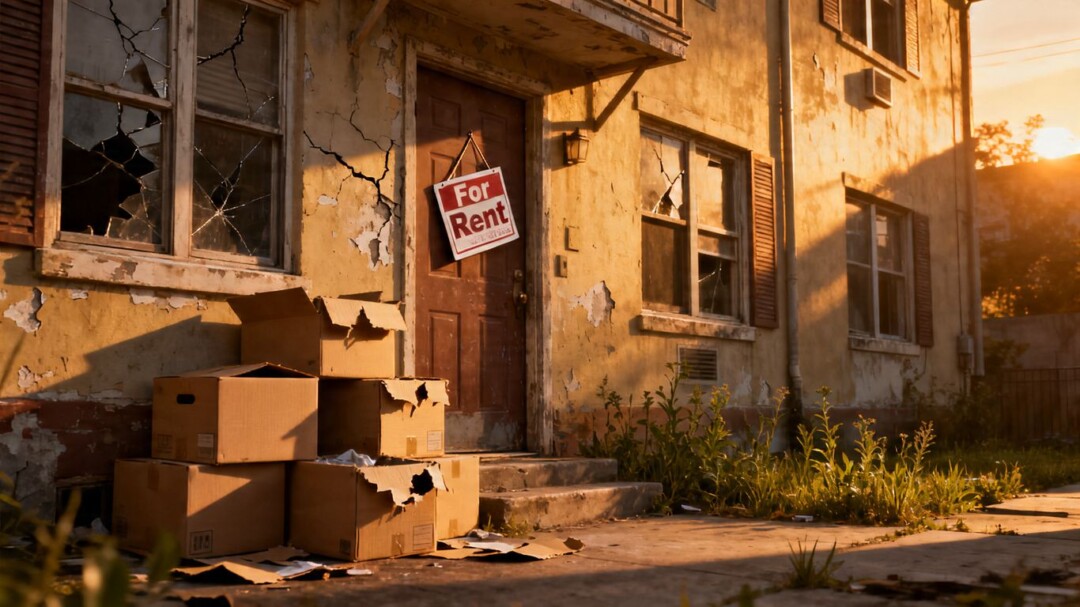
A recent study has identified Florida as the least favorable state for apartment renters nationwide. This designation stems from a combination of high rental prices, a significant portion of income dedicated to housing, and a lack of tenant protections. Despite a healthy supply of available apartments, residents are facing unprecedented affordability challenges.
Key Takeaways
- Florida ranks as the worst state for apartment renters due to high costs and minimal tenant protections.
- The median monthly rent in Florida is $1,669, approximately 18% higher than the national median.
- Typical Florida renters spend 37.4% of their income on rent, the highest percentage in the U.S.
- The state has a high rental vacancy rate of 7.6%, indicating that affordability issues are not solely due to supply shortages.
- Florida lacks tenant protections such as limits on lease application fees, regulations on rent increases, just-cause eviction, and rent-stabilized apartments.
The Affordability Crisis Unpacked
ConsumerAffairs, a consumer insights group, conducted a study that placed Florida at the bottom of its rankings for renters. The study highlighted that the median monthly rent in Florida stands at $1,669, which is the eighth-highest in the nation and about 18% above the national median. This financial strain means that the average Floridian household dedicates 37.4% of its income to rent, making them the most cost-burdened renters in the country.
Lack of Tenant Protections Exacerbates Issues
Florida’s regulatory environment, known for its hands-off approach to business, extends to tenant rights. The state offers no specific benefits for renters, such as caps on lease application fees, and does not regulate how landlords can increase rent. Unlike many other states, Florida does not have safeguards like "just-cause" eviction policies or rent-stabilized housing options, leaving tenants with limited recourse.
Supply vs. Demand: A Complex Picture
Interestingly, the affordability crisis in Florida is not attributed to a lack of available housing. The state boasts a rental vacancy rate of 7.6%, which is the sixth-highest nationally. This suggests that the high cost of rent is driven by other factors, potentially including demand from out-of-state buyers and investors, particularly in South Florida.
South Florida, a popular destination for affluent individuals, has experienced significant shifts in its multifamily market. While a pandemic-era surge in demand led to record rent growth, recent trends show a slight decrease in asking rents. However, many residents remain priced out, and competition for rentals is still fierce. The region has also seen an exodus of residents, raising concerns about its economic stability.
Developer Challenges and Future Outlook
Developers in South Florida have faced challenges due to an oversupply of new units, with a substantial number of apartments remaining unleased. This has led to a drop in rents and an increase in concessions offered by landlords. While construction starts have slowed, developers are hoping for demand to catch up. Efforts to encourage the construction of affordable and workforce housing through initiatives like the Live Local Act are underway, but few projects have been completed to date.
Florida’s ranking has worsened from the previous year, when it was the third-worst state for renters. Other states that ranked poorly include Arizona, New Mexico, Hawaii, and Massachusetts. In contrast, North Dakota is recognized as the best state for tenants, with significantly lower rent costs and a smaller percentage of income dedicated to housing.