

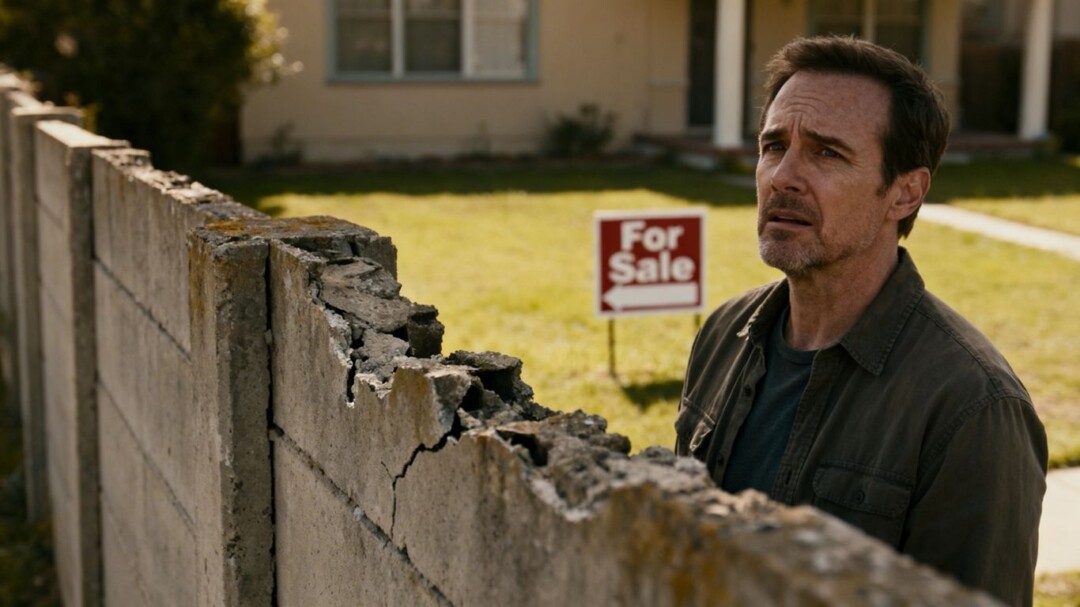
A homeowner preparing to sell their property is facing a potential hurdle after a neighbor claimed a long-standing concrete partition wall encroaches on their land. This situation raises questions about property boundaries, legal precedents, and the best course of action when preparing a home for sale.
Key Takeaways
- Verify property lines with a professional survey.
- Explore amicable agreements with your neighbor.
- Understand potential legal protections like "grandfathering."
- Disclose any known boundary issues to potential buyers.
Verifying the Boundary
The first crucial step for the homeowner is to confirm the accuracy of the neighbor’s claim. Property boundaries are legally defined by surveys. If a survey from the time of purchase isn’t readily available, hiring a licensed surveyor is essential. Surveys are considered the most reliable evidence in boundary disputes. It’s advisable to obtain your own survey, even if the neighbor provides one, as different surveyors can sometimes produce varying results.
Navigating Neighborly Disputes
If the survey confirms an encroachment, the homeowner has several options. Ideally, an agreement can be reached with the neighbor without the need to move the concrete wall. This could involve a discussion about the implications of the fence’s placement and potential solutions. If a mutual agreement can’t be reached, a pragmatic approach considering the cost and time involved in relocating the structure before the sale is necessary.
Legal Considerations and Disclosure
In some cases, the fence’s placement might be legally protected through doctrines like adverse possession or similar laws, often referred to as being "grandfathered in." This typically applies if a structure has been in place for a significant period without objection. Consulting with a real estate attorney can help determine if such protections are applicable in the specific jurisdiction. Additionally, if the property is part of a community association, checking the association’s governing documents for any relevant rules is recommended.
Regardless of the outcome with the neighbor or any legal protections, transparency with potential buyers is paramount. Failing to disclose a known boundary dispute can lead to legal complications later. Working closely with a real estate agent is vital to ensure the situation is properly addressed in the listing and throughout the sales process.