

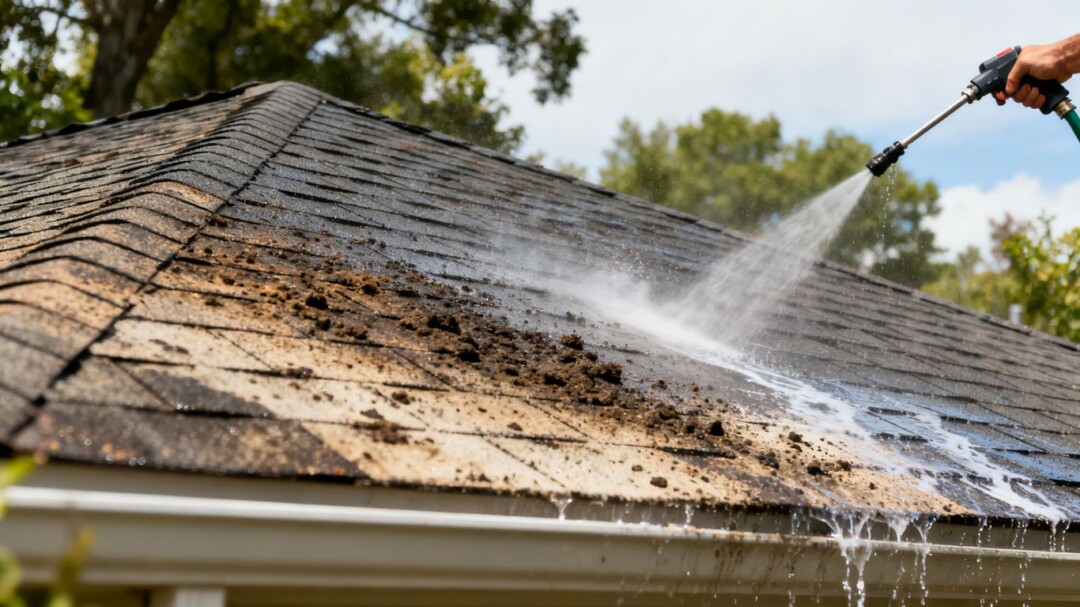
A homeowner’s dispute with their Homeowners Association (HOA) over a demand to clean a roof, which the owner believes is unnecessary, highlights a common point of contention. The core issue revolves around the HOA’s authority to enforce rules and the specificity required for such mandates, particularly when homeowners feel the demand is subjective and lacks clear justification.
Key Takeaways
- HOAs can enforce rules, but their authority is not unlimited.
- Fines require clear, specific, and properly adopted rules, not vague clauses.
- Homeowners have rights, including notice and a hearing before fines are imposed.
HOA Authority and Its Limits
Homeowners associations possess the power to enforce rules and regulations outlined in their governing documents, such as declarations, bylaws, and adopted rules. This authority, however, is subject to limitations. While HOAs can levy fines for violations, these rules must be clearly defined and formally adopted. A broad requirement for "general maintenance" is generally insufficient grounds to mandate a specific action like power-washing a roof, especially if the homeowner disputes the necessity.
The Need for Clarity in Rules
For an HOA to successfully enforce a rule and impose a fine, the obligation must be specific and unambiguous. If an HOA wishes to require homeowners to power-wash their roofs, it must establish a distinct rule or standard that explicitly states this requirement. This rule needs to be communicated to all members of the association. Without such a clearly defined rule, an HOA cannot rely on a general maintenance clause to justify a fine, as the board’s subjective interpretation of "general maintenance" is not legally sound.
Homeowner Rights and Procedural Safeguards
Legal frameworks often require HOAs to adhere to procedural safeguards before issuing fines. These typically include providing written notice of the alleged violation and offering a hearing before a neutral fining committee. Courts have consistently upheld that restrictions must be specific and unambiguous to be enforceable. If an HOA has enacted a valid rule for roof cleaning and followed all necessary procedural steps, it may have the authority to issue a fine. In such scenarios, homeowners are obligated to comply with the rule to avoid penalties.
Resolution and Community Standards
Ultimately, homeowners should review their community’s governing documents to understand their specific obligations. If power washing roofs is indeed part of the established community standards, then compliance may be required. However, a vague reference to "general maintenance" is not enough to compel action. It is advisable for homeowners to request clarification on community standards from their property manager. Furthermore, attempting to resolve such issues collaboratively with the community can be beneficial, as maintaining a well-kept neighborhood generally serves the interests of all residents.