

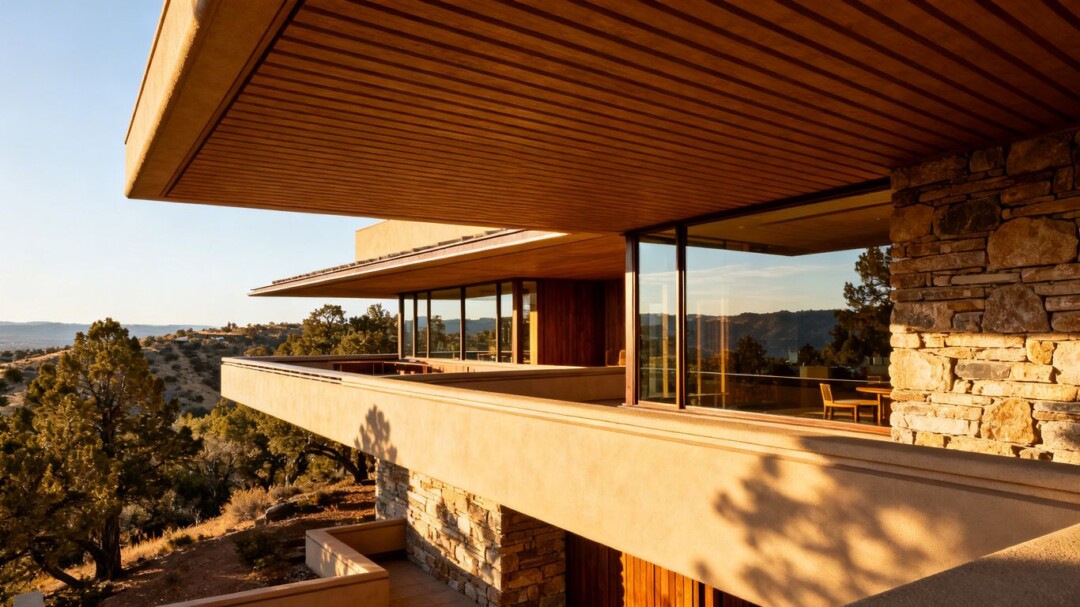
Frank Lloyd Wright, a titan of 20th-century architecture, left an indelible mark on the world with his unique and often controversial designs. His homes, characterized by organic principles and a deep connection to nature, continue to fascinate and inspire. This exploration delves into the enduring appeal and distinctive characteristics of Wright’s residential creations, examining what makes them so memorable.
Key Takeaways
- Wright’s designs often prioritized integration with the natural landscape.
- His approach to residential architecture was revolutionary, challenging conventional norms.
- The enduring appeal of his homes lies in their unique aesthetic and functional innovation.
The Philosophy of Organic Architecture
Wright’s architectural philosophy, known as organic architecture, aimed to harmonize human habitation with the natural world. He believed that buildings should grow from their sites, much like a plant, and that their forms should be unified and integrated. This meant considering the site, the materials, and the purpose of the building as a cohesive whole. His designs often featured cantilevered elements, open floor plans, and extensive use of natural materials like wood and stone, all contributing to a sense of seamless connection between the interior and exterior spaces.
Iconic Designs and Their Impact
Throughout his prolific career, Wright designed over 1,000 structures, with approximately half being homes. Among his most celebrated works are Fallingwater, a stunning house built over a waterfall in Pennsylvania, and the Robie House in Chicago, a quintessential example of Prairie School architecture. These homes, along with many others, not only showcased Wright’s innovative spirit but also influenced generations of architects and designers. His bold use of geometry, innovative spatial arrangements, and commitment to craftsmanship set a new standard for residential design.
Enduring Appeal and Modern Relevance
Despite being designed decades ago, Frank Lloyd Wright’s homes continue to captivate. Their timeless aesthetic, thoughtful integration with nature, and emphasis on livability resonate with contemporary sensibilities. Many of his designs are now preserved as museums or are available for tours, allowing the public to experience firsthand the genius of his architectural vision. The enduring popularity of Wright’s work underscores his status as one of history’s most significant architects, whose creations remain relevant and admired.