

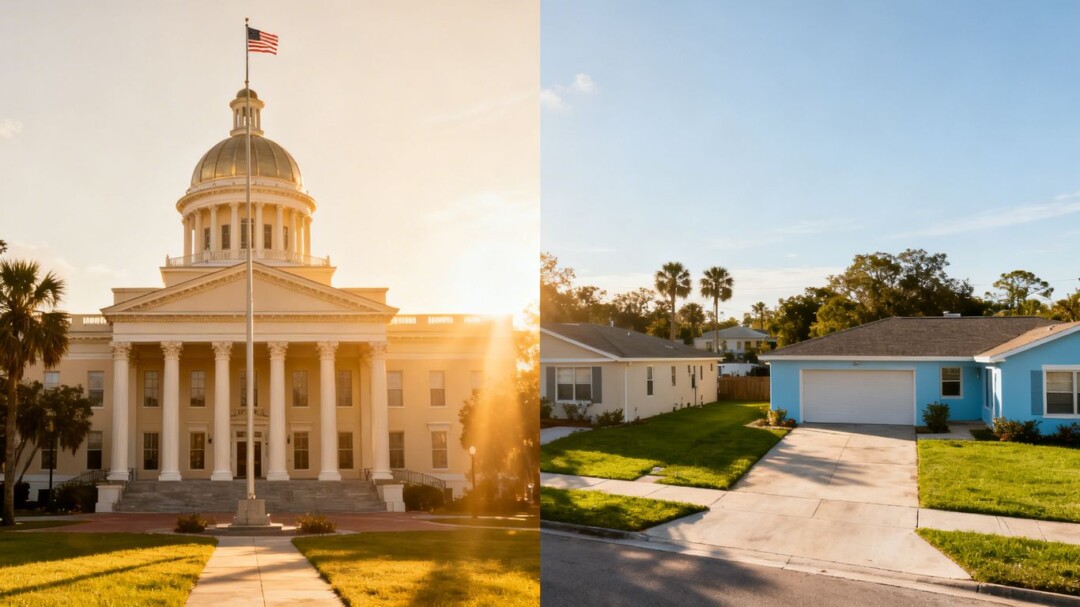
Florida lawmakers are advancing three bills aimed at providing property tax relief to homeowners struggling with rising costs. However, these proposals face significant criticism regarding their potential impact on local government budgets and the lack of detailed policy.
Key Takeaways
- Three property tax relief bills have advanced in the Florida House, requiring voter approval in November.
- Critics warn the proposals could lead to substantial budget shortfalls for local governments and potentially bankrupt some cities and counties.
- Supporters argue the measures will help address Florida’s affordability crisis, while opponents suggest focusing on property insurance costs.
- The potential impact on the housing market is debated, with some believing lower taxes could boost home values and affordability.
Proposed Property Tax Relief Measures
Lawmakers are considering several approaches to reduce property tax burdens for Floridians. The three main bills moving through the House include:
- House Bill 203: Aims to phase out homestead taxes over 10 years, excluding school taxes.
- House Bill 209: Proposes to raise the homestead exemption for homeowners who maintain insurance.
- House Bill 213: Seeks to limit property assessment increases.
These measures, if passed by the legislature, would still need to be approved by voters in the November referendum.
Concerns Over Local Government Finances
Analysis by the Florida Policy Institute suggests that these bills could create significant budget gaps for local governments. For instance, HJR 203 could cost Palm Beach County an estimated $1.28 billion annually, while HJR 209 and HJR 213 could impact it by $730 million and $547 million respectively. Critics argue that without alternative revenue streams, local governments might be forced to increase other taxes, fees, or cut essential services like parks, libraries, and public safety.
Some former lawmakers and policy experts have voiced strong concerns, describing the current proposals as "a slogan, but we don’t have a policy." They emphasize the lack of detailed plans to mitigate the financial impact on cities and counties, with some warning that certain municipalities could face bankruptcy.
Potential Impact on the Housing Market
While the primary focus is on tax relief, the proposals could also influence the housing market. Real estate agents suggest that lower property taxes could increase buyers’ purchasing power, potentially allowing them to afford more expensive homes or invest in renovations. This could, in turn, lead to a resurgence in home values. However, the long-term effects depend heavily on the specifics of any approved legislation and how local governments adapt to potential revenue changes.
Criticism and Calls for Alternative Solutions
Critics like former state senator Jeff Brandes argue that the current proposals are "blanket solutions" that do not consider individual circumstances, such as income levels or whether a person is a renter or homeowner. There are also calls to prioritize addressing high property insurance costs, which are also contributing to affordability issues for Florida residents. Some suggest interim solutions, such as rolling back tax levels to 2024 rates, as a more immediate and less disruptive approach.
Sources
- Property tax relief bills could have these impacts on county budgets, WPTV.
- Property tax relief in Florida could impact housing market, Spectrum News 13.
- Florida property tax reform: A rush to disaster?, Tampa Bay Times.
- Property tax relief plans criticized for lacking policy details, WPTV.
- How Florida property tax cuts could hollow out Miami-Dade cities, Miami Herald.