

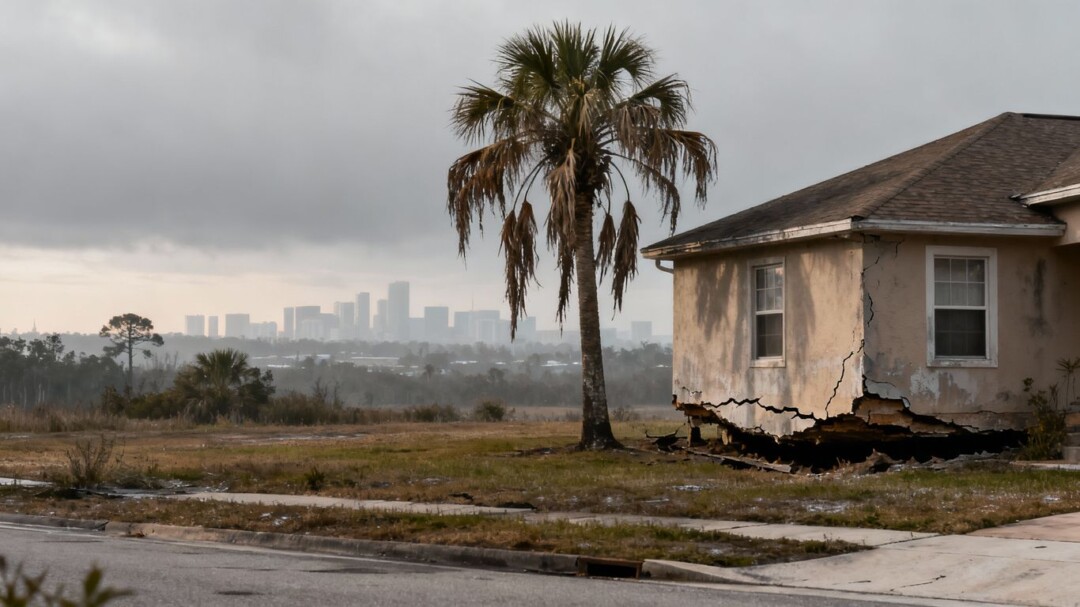
Florida’s once red-hot housing market is showing significant signs of cooling, with several key markets experiencing price declines and concerns about a potential bubble forming. This shift follows years of rapid appreciation, driven by factors like low mortgage rates and an influx of out-of-state buyers. Now, rising interest rates, increased inventory, and escalating costs are reshaping the landscape.
Key Takeaways
- Seven of the top 10 "coolest" housing markets in the U.S. are in Florida, indicating widespread price deceleration.
- Specific Florida metros like Cape Coral, Naples, and Punta Gorda are among those seeing the steepest home price drops.
- Miami has been identified as the riskiest housing market globally for a second consecutive year, though experts caution this doesn’t necessarily predict an imminent collapse.
- Factors contributing to the slowdown include higher mortgage rates, increased insurance premiums, and a surge in housing supply.
- While a full-blown crash is debated, a significant market correction is widely expected, potentially offering opportunities for buyers.
Florida’s Housing Market Correction
Recent data indicates a notable slowdown across Florida’s housing sector. Seven of the nation’s ten "coolest" housing markets, characterized by the steepest home price declines, are located in Florida. This includes Gulf Coast cities like Cape Coral, Naples, and Punta Gorda, which have seen year-over-year price drops ranging from 5.5% to 8.9%. For instance, Cape Coral has experienced a significant pullback, with median home prices falling over 13% since the pandemic boom of August 2022.
Factors Driving the Downturn
The cooling trend is attributed to a confluence of factors. Higher mortgage rates have reduced buyer purchasing power, while an increase in housing supply, as homes built during the boom re-enter the market, has led to greater competition among sellers. Additionally, rising insurance premiums, particularly in coastal areas, are adding to the cost of homeownership. These combined pressures have led to a recalibration of prices after years of unsustainable gains.
Bubble Concerns and Market Forecasts
Miami has been flagged as the world’s riskiest housing market for the second year running by UBS Global Wealth Management. While this designation raises concerns about a potential bubble, experts like Jonathan Woloshin of UBS emphasize that it signifies higher risk levels rather than an immediate collapse. He notes that while price appreciation has been strong, it’s driven by demand and supply fundamentals rather than speculative activity seen in past bubbles. However, the gap between median home prices and median household incomes in regions like Miami suggests that prices may have become overextended.
Opportunities Amidst the Cooling
Despite the downward price trends, some experts view the current market as a necessary correction that could lead to a more balanced and healthier real estate environment. For buyers, this period may present opportunities to find properties at more reasonable prices, especially if they are prepared for the ongoing costs of homeownership, such as insurance. Sellers are advised to adjust their pricing expectations to align with current market conditions. The future trajectory of mortgage rates and potential legislative changes, such as property tax reforms, will play a crucial role in shaping the market in 2026.
Sources
- Ten US housing markets are crashing like the Great Recession – most are in Florida and Texas but one is a
surprise, Daily Mail. - Multiple Florida Housing Markets Are on the Brink of a Crash in 2026, Norada Real Estate Investments.
- ‘The risk levels are higher’: Miami is the number one housing market bubble in the world – again, WLRN.
- Gulf Coast cities see slower housing market, Gulf Coast News and Weather.