

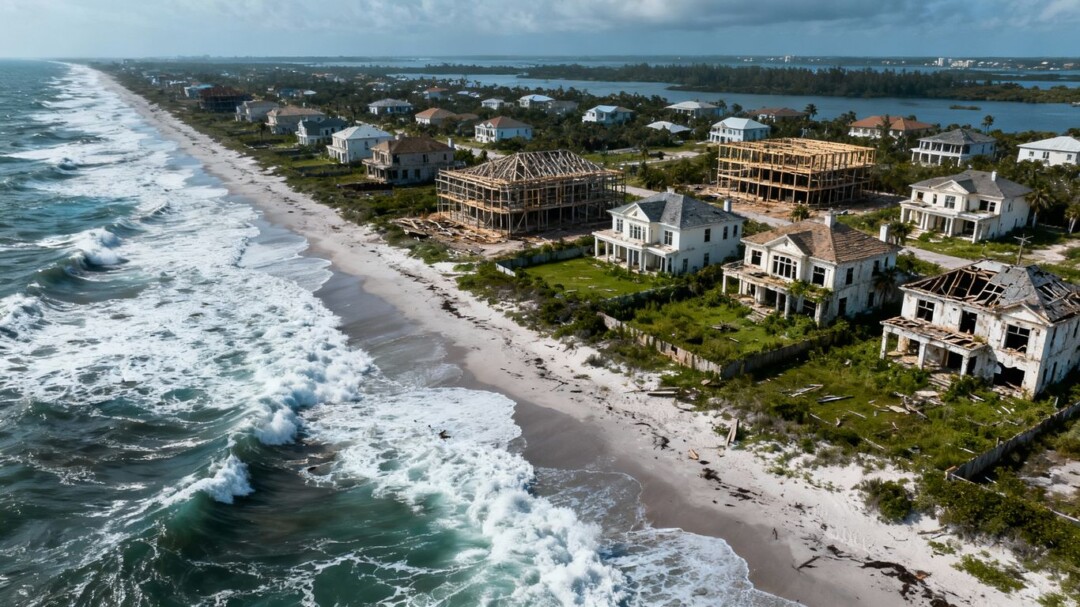
A significant downturn in Florida’s real estate market has triggered a cascade of financial distress, leading to allegations of missing funds, numerous lawsuits, and official investigations. The situation has left investors in a precarious position, questioning the integrity of real estate dealings in the Sunshine State.
Key Takeaways
- Allegations of over $100 million in missing investment funds.
- Multiple lawsuits filed against real estate brokers and investment firms.
- State Attorney General investigating potential deceptive practices and Ponzi schemes.
- Broader market trends show declining investor confidence and increased property inventory.
Mounting Allegations and Legal Battles
Investors are accusing Florida real estate brokers of misappropriating substantial sums of money. One prominent case involves a broker alleged to have diverted over $121 million intended for investment distributions into personal accounts. This has resulted in a state court lawsuit, highlighting the severity of the financial discrepancies.
Regulatory Scrutiny Intensifies
The Attorney General’s Office has launched an investigation into a Tampa-based real estate investment firm, RAD Diversified REIT Inc., and its owners, Brandon “Dutch” Mendenhall and Amy Vaughn. The probe centers on potential violations of the state’s Deceptive and Unfair Trade Practices Act. Subpoenas have been issued, seeking documents related to investor complaints that funds were pocketed instead of being used for property acquisition as advertised. Officials are exploring the possibility of a Ponzi scheme, with numerous investors reporting an inability to retrieve their returns or initial investments.
A Wider Market Downturn
Beyond specific fraudulent activities, the broader Florida real estate market is experiencing significant challenges. Investor purchases have declined sharply, with cities like Orlando, Miami, and West Palm Beach seeing substantial drops in home buying activity. Factors contributing to this include an uncertain economy, high mortgage rates, and increased costs associated with natural disasters, such as rising insurance premiums and HOA fees. New legislation, prompted by events like the Surfside building collapse, has also increased compliance costs for older properties, further deterring investment.
Foreign Investment Declines
Florida’s appeal to foreign investors has also waned considerably. Once a significant driver of the condo market, sales to international buyers have plummeted. Currency volatility, a strong U.S. dollar, geopolitical tensions, and restrictive immigration policies are cited as reasons for this retreat. The post-Surfside regulations, requiring structural inspections and robust reserve funding for condominiums, have made many older buildings unfinanceable, exacerbating the market’s woes.
Sources
- Property Investor Says Florida Real Estate Broker Stole $121M, Law360.
- Tampa real estate investment firm under investigation for potential deceptive practices, Florida Politics.
- Florida real estate crisis worsens as key group pulls back investment in the state, Daily Mail.
- Florida’s property woes increase as foreigners abandon Sunshine State, MPA Mag.